
What's inside
What's inside
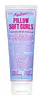 Key Ingredients
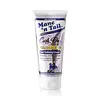
No key ingredients
Benefits
Concerns
Ingredients Side-by-side
Water
Skin ConditioningEmulsifying Wax Nf
Glycerin
Humectant


Amodimethicone

Behentrimonium Chloride
Preservative
Methyl Gluceth-20
Humectant
Hydroxyethylcellulose
Emulsion StabilisingGuar Hydroxypropyltrimonium Chloride
Skin ConditioningPhenoxyethanol
Preservative
Caprylyl Glycol
Emollient
CI 42090
Cosmetic ColorantParfum
Masking




Limonene
Perfuming
Triticum Vulgare Germ Oil
Emollient



Carthamus Tinctorius Seed Oil
Masking
Persea Gratissima Oil
Skin Conditioning
Alpha-Isomethyl Ionone
Perfuming
Citric Acid
Buffering

Ethylhexyl Methoxycinnamate
UV Absorber

Butylphenyl Methylpropional
Perfuming
Silk Amino Acids
HumectantHydrolyzed Wheat Protein/Pvp Crosspolymer
Linalool
Perfuming
Hexyl Cinnamal
Perfuming
Amyl Cinnamal
Perfuming
Citronellol
Perfuming
Benzyl Salicylate
Perfuming
Hydroxyisohexyl 3-Cyclohexene Carboxaldehyde
Masking
Benzyl Alcohol
Perfuming
Sodium Benzoate
Masking
Potassium Sorbate
Preservative
Hydroxycitronellal
Perfuming
Urtica Dioica Extract
AstringentEquisetum Arvense Leaf Extract
AstringentChamomilla Recutita Flower Extract
Masking

Althaea Officinalis Root Extract
Skin Conditioning
Agave Americana Leaf Extract
Skin ConditioningWater, Emulsifying Wax Nf, Glycerin, Amodimethicone, Behentrimonium Chloride, Methyl Gluceth-20, Hydroxyethylcellulose, Guar Hydroxypropyltrimonium Chloride, Phenoxyethanol, Caprylyl Glycol, CI 42090, Parfum, Limonene, Triticum Vulgare Germ Oil, Carthamus Tinctorius Seed Oil, Persea Gratissima Oil, Alpha-Isomethyl Ionone, Citric Acid, Ethylhexyl Methoxycinnamate, Butylphenyl Methylpropional, Silk Amino Acids, Hydrolyzed Wheat Protein/Pvp Crosspolymer, Linalool, Hexyl Cinnamal, Amyl Cinnamal, Citronellol, Benzyl Salicylate, Hydroxyisohexyl 3-Cyclohexene Carboxaldehyde, Benzyl Alcohol, Sodium Benzoate, Potassium Sorbate, Hydroxycitronellal, Urtica Dioica Extract, Equisetum Arvense Leaf Extract, Chamomilla Recutita Flower Extract, Althaea Officinalis Root Extract, Agave Americana Leaf Extract
Water
Skin ConditioningGlycerin
Humectant
Dimethicone
Emollient
Cetearyl Alcohol
Emollient
Behentrimonium Chloride
Preservative
Amodimethicone
Persea Gratissima Oil
Skin Conditioning
Cocos Nucifera Oil
Masking
Olea Europaea Fruit Oil
Masking
Argania Spinosa Kernel Oil
Emollient

Lavandula Angustifolia Oil
Masking
Crambe Abyssinica Seed Oil
Skin Conditioning
Vp/Va Copolymer
Guar Hydroxypropyltrimonium Chloride
Skin ConditioningHydroxypropyl Guar
Emulsion StabilisingHydrolyzed Rice Protein
Skin ConditioningEthylhexyl Methoxycinnamate
UV Absorber
Bisamino PEG/PPG-41/3 Aminoethyl Pg-Propyl Dimethicone
Panthenol
Skin Conditioning
Tocopherol
Antioxidant


Biotin
AntiseborrhoeicAspalathus Linearis Leaf Extract
Skin ConditioningMaltodextrin
Absorbent
Parfum
Masking
Caprylyl Glycol
Emollient
Phenoxyethanol
Preservative
Linalool
Perfuming
Citronellol
Perfuming
Limonene
Perfuming
Alpha-Isomethyl Ionone
Perfuming
Isoeugenol
Perfuming
Geraniol
Perfuming
Water, Glycerin, Dimethicone, Cetearyl Alcohol, Behentrimonium Chloride, Amodimethicone, Persea Gratissima Oil, Cocos Nucifera Oil, Olea Europaea Fruit Oil, Argania Spinosa Kernel Oil, Lavandula Angustifolia Oil, Crambe Abyssinica Seed Oil, Vp/Va Copolymer, Guar Hydroxypropyltrimonium Chloride, Hydroxypropyl Guar, Hydrolyzed Rice Protein, Ethylhexyl Methoxycinnamate, Bisamino PEG/PPG-41/3 Aminoethyl Pg-Propyl Dimethicone, Panthenol, Tocopherol, Biotin, Aspalathus Linearis Leaf Extract, Maltodextrin, Parfum, Caprylyl Glycol, Phenoxyethanol, Linalool, Citronellol, Limonene, Alpha-Isomethyl Ionone, Isoeugenol, Geraniol
Reviews
Ingredients Explained
These ingredients are found in both products.
Ingredients higher up in an ingredient list are typically present in a larger amount.
Alpha-Isomethyl Ionone is a fragrance. It can be synthetically created or naturally occurring.
The scent of Alpha-Isomethyl Ionone is described as "flowery" but can also be "woody".
Naturally occurring Alpha-Isomethyl Ionone may be found in Saccharomyces cerevisiae, or the yeast used to make wine and bread.
The term 'fragrance' is not regulated in many countries. In many cases, it is up to the brand to define this term. For instance, many brands choose to label themselves as "fragrance-free" because they are not using synthetic fragrances. However, their products may still contain ingredients such as essential oils that are considered a fragrance.
Learn more about Alpha-Isomethyl IononeThis water-soluble silicone is used for its hydrating and softening properties. It is used to add a silky feel to skincare products and has great benefits for haircare.
In haircare, this ingredient:
- Adds shine
- Protects color
- Offers thermal protection
- Boosts hair strength
- Does not build up as easily
This ingredient is a preservative and often used for it's anti-static properties. You'll most likely see this ingredient in hair conditioners.
It does not cause irritation or sensitization in leave-on products at 1-5%.
Caprylyl Glycol is a humectant, skin conditioner, emollient, and preservative booster derived from either caprylic acid or synthetically created.
Typical use levels vary from 0.3-1% as a preservative booster and go up to 2% to condition skin.
Because it is not a free-fatty acid, this ingredient is fungal acne safe (there's nothing for Malassezia to feed on).
Learn more about Caprylyl GlycolCitronellol is used to add fragrance/parfum to a product. It is often derived from plants such as roses. In fact, it can be found in many essential oils including geranium, lavender, neroli, and more. The scent of Citronellol is often described as "fresh, grassy, and citrus-like".
Since the Citronellol molecule is already unstable, Citronellol becomes irritating on the skin when exposed to air.
Citronellol is a modified terpene. Terpenes are unsaturated hydrocarbons found in plants. They make up the primary part of essential oils.
Citronellol is not able to be absorbed into deeper layers of the skin. It has low permeability,
Citronellol is also a natural insect repellent.
Learn more about CitronellolThis ingredient is also known as Octinoxate and is one of the oldest and most widely used chemical UV filters in skincare.
It has a simple job: soap up UVB radiation (290-320 nm), the wavelengths responsible for sunburn and a big chunk of long-term sun damage.
In formulas, it's always paired with a separate UVA filter because octinoxate solely protects skin from UVB.
Because it's an oil-soluble liquid, it's easy to blend into the oil phase of lotions/creams and gives a cosmetically elegant feel.
The one quirk about formulating this ingredient is photostability; the molecule slowly changes shape into a less effective version when sunlight hits it. So the longer you're in the sun, the weaker its protection gets. The drop can be more than 30% in some formulas.
It also doesn't play nice with Avobenzone (the common UVA filter) since avobenzone destabilizes octinoxate and the two degrade each other. But don't worry: brands have solved this issue by adding photostabilizers like Tinosorb S to prevent degradation and keep SPF stable under heavy UV exposure.
The maximum allowed level is 10% in the EU and Australia, 7.5% in the US and Canada, and 20% in Japan.
The Cosmetic Ingredient Review Panel has concluded this ingredient to be safe in cosmetics up to 10%.
One last thing worth knowing for context:
Octinoxate has been the subject of ongoing review in Europe where the Scientific Committee on Consumer Safety's (SCCS) 2025 final opinion is that this ingredient is an endocrine-active substance.
Lab and animal studies suggest it can act a bit like a hormone in the body (mildly mimicking estrogen and slightly blocking male hormones). It's important to know this hasn't really been shown to happen in everyday human use.
This ingredient is also banned in Hawaii over coral reef concerns.
Learn more about Ethylhexyl MethoxycinnamateGlycerin (or glycerol) is a compound naturally found in your skin. It's a powerhouse humectant that pulls water into the stratum corneum.
Topically, glycerin does several things at once:
Your skin makes glycerin on its own (mostly from sebaceous oil breakdown) and shuttles it to your outermost layer of skin, or your epidermis, via aquaporin-3.
Aquaporin-3 is a transporter that is essential for normal skin hydration, elasticity, and repair. Interestingly, mice lacking in AQP3 have dry and less elastic skin that can be fully corrected with glycerin.
This ingredient is non-irritating, plays well with almost every ingredient, and works across all skin types. Typical use is anywhere between 3-10% but can go up to 79% in some leave-on products.
Just know very high concentrations (>40%) can feel tacky in low humidity.
Glycerin is the name for this ingredient in American English. British English uses Glycerol/Glycerine.
Learn more about GlycerinThis ingredient is derived from guar gum. It is a skin conditioning agent that creates a thin, breathable film to reduce water loss during cleansing.
This leaves the skin feeling soft rather than stripped and also contributes to a creamier lather.
Due to the large molecule size, this ingredient is unlikely to penetrate skin.
Learn more about Guar Hydroxypropyltrimonium ChlorideLimonene is a fragrance that adds scent and taste to a formulation.
It's found in the peel oil of citrus fruits and other plants such as lavender and eucalyptus. The scent of limonene is generally described as "sweet citrus".
Limonene acts as an antioxidant, meaning it helps neutralize free radicals.
When exposed to air, oxidized limonene may sensitize the skin. Because of this, limonene is often avoided by people with sensitive skin.
The term 'fragrance' is not regulated in many countries. In many cases, it is up to the brand to define this term. For instance, many brands choose to label themselves as "fragrance-free" because they are not using synthetic fragrances. However, their products may still contain ingredients such as essential oils that are considered a fragrance.
Learn more about LimoneneLinalool is a fragrance and helps add scent to products. It's derived from common plants such as cinnamon, mint, citrus, and lavender.
Like Limonene, this ingredient oxidizes when exposed to air. Oxidized linalool can cause allergies and skin sensitivity.
This ingredient has a scent that is floral, spicy tropical, and citrus-like.
Learn more about LinaloolParfum is a catch-all term for an ingredient or more that is used to give a scent to products.
Also called "fragrance", this ingredient can be a blend of hundreds of chemicals or plant oils. This means every product with "fragrance" or "parfum" in the ingredients list is a different mixture.
For instance, Habanolide is a proprietary trade name for a specific aroma chemical. When used as a fragrance ingredient in cosmetics, most aroma chemicals fall under the broad labeling category of “FRAGRANCE” or “PARFUM” according to EU and US regulations.
The term 'parfum' or 'fragrance' is not regulated in many countries. In many cases, it is up to the brand to define this term.
For instance, many brands choose to label themselves as "fragrance-free" because they are not using synthetic fragrances. However, their products may still contain ingredients such as essential oils that are considered a fragrance by INCI standards.
One example is Calendula flower extract. Calendula is an essential oil that still imparts a scent or 'fragrance'.
Depending on the blend, the ingredients in the mixture can cause allergies and sensitivities on the skin. Some ingredients that are known EU allergens include linalool and citronellol.
Parfum can also be used to mask or cover an unpleasant scent.
The bottom line is: not all fragrances/parfum/ingredients are created equally. If you are worried about fragrances, we recommend taking a closer look at an ingredient. And of course, we always recommend speaking with a professional.
Learn more about ParfumThis ingredient is also known as Avocado oil. It's the cold-pressed oil from the flesh of the avocado fruit packed with fatty acids (mostly oleic acid).
The rich fatty acid profile allows it to function as a skin conditioning agent and emollient; it helps soften and smooth skin while reducing water loss.
Preclinical research has found that topical avocado oil increased collagen synthesis and reduced inflammation during wound healing, giving it some skin-repairing credibility.
The unsaponifiable fraction of the oil is also interesting: studies on avocado unsaponifiables showed that it helped skin produce more collagen and other structural compounds that support healing.
The CIR Expert Panel has found this ingredient to be non-irritating in formulations.
It's a great ingredient for dry or compromised skin. Just know it may not be fungal acne safe. This is because the oleic acid content falls within the range that Malassezia can use as a food source.
Learn more about Persea Gratissima OilPhenoxyethanol is one of the most widely used preservatives in skincare (and for good reason!).
It has a large spectrum of antimicrobial activity and especially effective bacteria, yeast, and mold while only having a weak effect on your skin's natural microbiome.
On a cellular level, it disrupts the cell membranes of microbes by poking holes that make the cell leak. This shuts down the chemical reactions the microbe needs to make energy so it can no longer survive.
Another perk of this ingredient is that it stays functional across a wide pH range (3-10).
You'll often see it paired with boosters like Ethylhexylglycerin; one study showed that a 1:9 ratio of Ethylhexylglycerin to Phenoxyethanol damages bacterial membranes as effectively as doubling the Phenoxyethanol concentration on its own.
Typical use concentrations range from 0.3-1% depending on the formula, and this ingredient is capped at 1% int the EU.
Safety-wise, the fear mongering does not hold up to the evidence. The EU's Scientific Committee on Consumer Safety and FDA consider it safe as a preservative at up to 1%, including for children of all ages.
Adverse systemic effects only showed up in animal studies at exposures roughly 200x higher than what people get from cosmetics. And despite its very widespread use, this ingredient is a rare sensitizer and allergic reactions are uncommon.
Learn more about PhenoxyethanolWater. It's the most common cosmetic ingredient of all. You'll usually see it at the top of ingredient lists, meaning that it makes up the largest part of the product.
So why is it so popular? Water most often acts as a solvent - this means that it helps dissolve other ingredients into the formulation.
You'll also recognize water as that liquid we all need to stay alive. If you see this, drink a glass of water. Remember to stay hydrated!
Learn more about Water

