

What's inside
What's inside
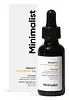 Key Ingredients
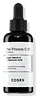
Benefits
Concerns
Ingredients Side-by-side
Centella Asiatica Leaf Water
Skin Conditioning


3-O-Ethyl Ascorbic Acid
Skin Conditioning




Ethoxydiglycol
HumectantDimethyl Isosorbide
SolventGluconolactone
Skin Conditioning



Glycerin
Humectant
Sodium Gluconate
Skin ConditioningAcetyl Glucosamine
Skin Conditioning
Sodium Hyaluronate
Humectant
Pullulan
Hydroxyethylcellulose
Emulsion StabilisingXanthan Gum
EmulsifyingSclerotium Gum
Emulsion StabilisingPhenoxyethanol
Preservative
Ethylhexylglycerin
Skin ConditioningLecithin
Emollient
Lactic Acid
Buffering


Citric Acid
Buffering
Centella Asiatica Leaf Water, 3-O-Ethyl Ascorbic Acid, Ethoxydiglycol, Dimethyl Isosorbide, Gluconolactone, Glycerin, Sodium Gluconate, Acetyl Glucosamine, Sodium Hyaluronate, Pullulan, Hydroxyethylcellulose, Xanthan Gum, Sclerotium Gum, Phenoxyethanol, Ethylhexylglycerin, Lecithin, Lactic Acid, Citric Acid
Water
Skin ConditioningAscorbic Acid 23%
Antioxidant
Propanediol
Solvent
Dimethicone
Emollient
Tromethamine
BufferingPanthenol
Skin Conditioning
3-O-Ethyl Ascorbic Acid
Skin Conditioning
Squalane
Emollient
Caffeine
Skin Conditioning
Sodium Chloride
MaskingSodium Hyaluronate
Humectant
Sodium Sulfite
Preservative
Disodium EDTA
Glutathione
Adenosine
Skin Conditioning
Acetyl Glucosamine
Skin Conditioning
Gardenia Florida Fruit Extract
Skin ConditioningAllantoin
Skin Conditioning
Dextrin
AbsorbentTocotrienols
Skin Conditioning
Tocopherol
Antioxidant
Elaeis Guineensis Oil
Emollient

Butylene Glycol
Humectant
Arginine
Masking
Niacinamide
Smoothing
Pentylene Glycol
Skin Conditioning
Alcohol Denat.
Antimicrobial


Helianthus Annuus Seed Oil
Emollient
Glycyrrhiza Glabra Root Extract
Bleaching
Methyl Trimethicone
Skin Conditioning
Carthamus Tinctorius Seed Oil
Masking
Camellia Japonica Seed Oil
Emollient
Daucus Carota Sativa Root Extract
Skin Conditioning
Beta-Carotene
Skin ConditioningWater, Ascorbic Acid 23%, Propanediol, Dimethicone, Tromethamine, Panthenol, 3-O-Ethyl Ascorbic Acid, Squalane, Caffeine, Sodium Chloride, Sodium Hyaluronate, Sodium Sulfite, Disodium EDTA, Glutathione, Adenosine, Acetyl Glucosamine, Gardenia Florida Fruit Extract, Allantoin, Dextrin, Tocotrienols, Tocopherol, Elaeis Guineensis Oil, Butylene Glycol, Arginine, Niacinamide, Pentylene Glycol, Alcohol Denat., Helianthus Annuus Seed Oil, Glycyrrhiza Glabra Root Extract, Methyl Trimethicone, Carthamus Tinctorius Seed Oil, Camellia Japonica Seed Oil, Daucus Carota Sativa Root Extract, Beta-Carotene
Reviews
Ingredients Explained
These ingredients are found in both products.
Ingredients higher up in an ingredient list are typically present in a larger amount.
You might know this ingredient as Ethyl Ascorbic Acid, a more stable version of ascorbic acid.
Like other types of vitamin C, this ingredient has many benefits including reducing wrinkles, skin soothing, dark spot fading, and fighting against free radicals.
3-O-Ethyl Ascorbic Acid interferes with the process of skin darkening, helping to reduce hyperpigmentation. It also encourages the skin to produce more collagen.
Once applied, 3-O-Ethyl Ascorbic Acid is converted to Vitamin C deeper in the skin's layers. This process is slow but makes this ingredient more tolerable for skin.
The optimum pH range for this ingredient is 4 - 5.5
Learn more about 3-O-Ethyl Ascorbic AcidAcetyl Glucosamine is an antioxidant and humectant. It is an amino acid sugar and is naturally found in our skin.
The cool thing about this ingredient? It helps the skin produce hyaluronic acid and boost hydration. It also has antioxidant benefits to protect skin cells.
When paired with niacinamide, Acetyl Glucosamine has been shown to be effective at reducing discoloration.
Learn more about Acetyl GlucosamineSodium Hyaluronate is the salt form of hyaluronic acid. It is a long sugar chain that is naturally found in your skin, joints, and connective tissue that maintains hydration and elasticity.
In skincare, it works as a humectant. It pulls water from the environment and deeper layers of skin and binds it to the surface.
Interestingly, the size of the molecule affects its behavior:
Some clinical evidence links low molecular weight versions to improved wrinkle depth, elasticity, anti-inflammatory effects, and barrier repair.
Many serums use a blend of both weights so you can get surface hydration plus longer-lasting and deeper effects.
You'll typically see concentrations between 0.1-2% for this ingredient.
Learn more about Sodium Hyaluronate
