
What's inside
What's inside
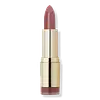 Key Ingredients
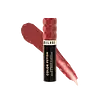
Benefits
Concerns
Ingredients Side-by-side
Ricinus Communis Seed Oil
Masking




Tridecyl Trimellitate
EmollientEuphorbia Cerifera Cera
Astringent
Ethylhexyl Palmitate
Emollient


Microcrystalline Wax
Emulsion StabilisingCera Alba
Emollient
Ozokerite
Emulsion StabilisingCopernicia Cerifera Cera
Emollient
Benzyl Benzoate
Antimicrobial


Parfum
Masking
Vanillin
Masking
Ascorbyl Palmitate
Antioxidant



Tocopherol
Antioxidant




Glycine Soja Oil
Emollient
Hydroxycitronellal
Perfuming
Retinyl Palmitate
Skin Conditioning
Mica
Cosmetic ColorantCI 77891
Cosmetic ColorantCI 77491
Cosmetic ColorantCI 77492
Cosmetic ColorantCI 77499
Cosmetic ColorantCI 15850
Cosmetic ColorantCI 45380
Cosmetic ColorantCI 45410
Cosmetic ColorantCI 19140
Cosmetic ColorantCI 15985
Cosmetic ColorantCI 42090
Cosmetic ColorantCI 75470
Cosmetic ColorantRicinus Communis Seed Oil, Tridecyl Trimellitate, Euphorbia Cerifera Cera, Ethylhexyl Palmitate, Microcrystalline Wax, Cera Alba, Ozokerite, Copernicia Cerifera Cera, Benzyl Benzoate, Parfum, Vanillin, Ascorbyl Palmitate, Tocopherol, Glycine Soja Oil, Hydroxycitronellal, Retinyl Palmitate, Mica, CI 77891, CI 77491, CI 77492, CI 77499, CI 15850, CI 45380, CI 45410, CI 19140, CI 15985, CI 42090, CI 75470
Water
Skin ConditioningTrimethylsiloxyphenyl Dimethicone

Octyldodecanol
Emollient
Bis-Diglyceryl Polyacyladipate-2
Emollient
Sorbitan Stearate
Emulsifying
Pentylene Glycol
Skin Conditioning
Ethylcellulose
Polysorbate 60
Emulsifying
Behenyl Alcohol
Emollient
Arachidyl Alcohol
Emollient
Stearyl Alcohol
Emollient
Squalane
Emollient
Propanediol
Solvent
Illicium Verum Fruit Extract
Perfuming
Sodium Hyaluronate
Humectant
Propyl Gallate
Antioxidant
Hydroxyethyl Acrylate/Sodium Acryloyldimethyl Taurate Copolymer
Emulsion StabilisingSorbitan Isostearate
Emulsifying
Polyacrylate-13
Polyisobutene
Polysorbate 20
Emulsifying
Diisostearyl Malate
EmollientPolyglyceryl-2 Triisostearate
Emulsifying
C13-15 Alkane
SolventButylene Glycol
Humectant
Caprylyl Glycol
Emollient
1,2-Hexanediol
Skin Conditioning
Phenoxyethanol
Preservative
Ethylhexylglycerin
Skin ConditioningSodium Saccharin
MaskingAluminum Hydroxide
EmollientCI 77120
Cosmetic ColorantRosin
Aroma
CI 77891
Cosmetic ColorantIron Oxides
CI 77492
Cosmetic ColorantCI 77499
Cosmetic ColorantCI 42090
Cosmetic ColorantCI 17200
Cosmetic ColorantCI 15985
Cosmetic ColorantCI 15850
Cosmetic ColorantCI 19140
Cosmetic ColorantCI 45410
Cosmetic ColorantWater, Trimethylsiloxyphenyl Dimethicone, Octyldodecanol, Bis-Diglyceryl Polyacyladipate-2, Sorbitan Stearate, Pentylene Glycol, Ethylcellulose, Polysorbate 60, Behenyl Alcohol, Arachidyl Alcohol, Stearyl Alcohol, Squalane, Propanediol, Illicium Verum Fruit Extract, Sodium Hyaluronate, Propyl Gallate, Hydroxyethyl Acrylate/Sodium Acryloyldimethyl Taurate Copolymer, Sorbitan Isostearate, Polyacrylate-13, Polyisobutene, Polysorbate 20, Diisostearyl Malate, Polyglyceryl-2 Triisostearate, C13-15 Alkane, Butylene Glycol, Caprylyl Glycol, 1,2-Hexanediol, Phenoxyethanol, Ethylhexylglycerin, Sodium Saccharin, Aluminum Hydroxide, CI 77120, Rosin, Aroma, CI 77891, Iron Oxides, CI 77492, CI 77499, CI 42090, CI 17200, CI 15985, CI 15850, CI 19140, CI 45410
Ingredients Explained
These ingredients are found in both products.
Ingredients higher up in an ingredient list are typically present in a larger amount.
Ci 15850 is the pigment color red. It is an azo dye and created synthetically.
Azo dyes need to be thoroughly purified before use. This allows them to be more stable and longer-lasting.
This ingredient is common in foundations, lipsticks, and blushes. This color is described as brown/orangey red.
It has many secondary names such as Red 6 and Red 7. According to a manufacturer, Red 6 usually contains aluminum.
Learn more about CI 15850Ci 15985 is a dye made from petroleum. It is synthetically created and approved by the FDA for use in foods and cosmetics.
The color of this dye is orange/yellow.
This ingredient can be found in makeup, sun care, and skincare.
Learn more about CI 15985CI 19140 is also known as Tartrazine. Tartrazine is a synthetic dye used in cosmetics, foods, and medicine to add a yellow color.
Tartrazine is created from petroleum and is water-soluble.
Some people may experience allergies from this dye, especially asthmatics and those with an aspirin intolerance.
Learn more about CI 19140Ci 42090 is a synthetic dye created from petroleum. It is used to give a bright blue color to cosmetics, medicine, and food.
CI 45410 is a synthetic red-pigment and dye.
It often goes by both Red 28 or Red 27; manufacturers label both ingredients as CI 45410.
This dye is commonly found in makeup because it imparts a vivid color. Some types of this dye change color based on pH level and interaction with moisture:
Your skin has a natural pH of around 4.5 - 5.5.
According to the FDA, CI 45410 is not permitted for use in eye products.
Red 27 is a flourescein dye and commonly used as a fluorescent tracer in medicine.
Learn more about CI 45410CI 77492 is also hydrated iron III oxide. It's sole purpose is to give a yellow hue to products.
Iron III oxides are classified as inorganic chemicals for coloring.
Synthetically created CI 77492 is considered safer than those naturally found. This is because the synthetically created version may contain less impurities. Iron oxides are generally non-toxic and non-allergenic.
Learn more about CI 77492Ci 77499 is also hydrated iron III oxide. It is created from mixing red and black iron oxides. This helps give shades of darkness to a product.
Iron III oxides are classified as inorganic chemicals for coloring.
Ci 77891 is a white pigment from Titanium dioxide. It is naturally found in minerals such as rutile and ilmenite.
It's main function is to add a white color to cosmetics. It can also be mixed with other colors to create different shades.
Ci 77891 is commonly found in sunscreens due to its ability to block UV rays.
Learn more about CI 77891

