
What's inside
What's inside
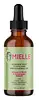 Key Ingredients
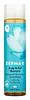
Benefits
Concerns
Ingredients Side-by-side
Glycine Soja Oil
Emollient








Ricinus Communis Seed Oil
Masking
Rosmarinus Officinalis Leaf Oil
Masking
Simmondsia Chinensis Seed Oil
Emollient

Mentha Piperita Oil
Masking



Eucalyptus Globulus Leaf Oil
Perfuming
Menthol
Masking
Melaleuca Alternifolia Leaf Oil
Antioxidant


Cocos Nucifera Oil
Masking
Equisetum Arvense Extract
AstringentAloe Barbadensis Extract
Skin Conditioning
Lavandula Angustifolia Oil
Masking
Triticum Vulgare Germ Oil
Emollient
Carthamus Tinctorius Seed Oil
Masking
Oenothera Biennis Oil
Emollient
Vitis Vinifera Seed Oil
Emollient
Benzyl Nicotinate
Skin ConditioningPrunus Amygdalus Dulcis Oil
Skin Conditioning
Oryza Sativa Bran Oil
Emollient
Tocopheryl Acetate
Antioxidant

Biotin
AntiseborrhoeicArctium Lappa Root Extract
Skin Conditioning
Glycerin
Humectant
Apium Graveolens Seed Extract
Antioxidant
Retinyl Palmitate
Skin Conditioning
Cholecalciferol
Ascorbic Acid
Antioxidant


Ocimum Basilicum Oil
Masking
Pogostemon Cablin Leaf Oil
Masking
Salvia Officinalis Oil
Masking
Silica
Abrasive

Urtica Dioica Extract
AstringentGlycine Soja Oil, Ricinus Communis Seed Oil, Rosmarinus Officinalis Leaf Oil, Simmondsia Chinensis Seed Oil, Mentha Piperita Oil, Eucalyptus Globulus Leaf Oil, Menthol, Melaleuca Alternifolia Leaf Oil, Cocos Nucifera Oil, Equisetum Arvense Extract, Aloe Barbadensis Extract, Lavandula Angustifolia Oil, Triticum Vulgare Germ Oil, Carthamus Tinctorius Seed Oil, Oenothera Biennis Oil, Vitis Vinifera Seed Oil, Benzyl Nicotinate, Prunus Amygdalus Dulcis Oil, Oryza Sativa Bran Oil, Tocopheryl Acetate, Biotin, Arctium Lappa Root Extract, Glycerin, Apium Graveolens Seed Extract, Retinyl Palmitate, Cholecalciferol, Ascorbic Acid, Ocimum Basilicum Oil, Pogostemon Cablin Leaf Oil, Salvia Officinalis Oil, Silica, Urtica Dioica Extract
Water
Skin ConditioningSodium Methyl Cocoyl Taurate
Cleansing
Cocamidopropyl Hydroxysultaine
Cleansing
Cocamidopropylamine Oxide
Cleansing
Glycerin
Humectant
Cocamidopropyl Betaine
Cleansing
Glyceryl Laurate
Emollient
Epilobium Angustifolium Flower/Leaf/Stem Extract
Skin ConditioningSalix Alba Bark Extract
Astringent
Sodium Chloride
MaskingPanthenol
Skin Conditioning
Salicylic Acid
Masking

Menthol
Masking
Melaleuca Alternifolia Leaf Oil
Antioxidant
Arctium Lappa Root Extract
Skin Conditioning
Chamomilla Recutita Flower Extract
Masking
Arctostaphylos Uva-Ursi Leaf Extract
Skin Conditioning
Melia Azadirachta Extract
Skin ConditioningVitex Trifolia Extract
Skin ConditioningBerberis Aquifolium Extract
Skin ConditioningZanthoxylum Zanthoxyloides Bark Extract
Skin ConditioningPhenoxyethanol
Preservative
Ethylhexylglycerin
Skin ConditioningTocopheryl Acetate
Antioxidant
Aloe Barbadensis Leaf Juice
Skin Conditioning
Water, Sodium Methyl Cocoyl Taurate, Cocamidopropyl Hydroxysultaine, Cocamidopropylamine Oxide, Glycerin, Cocamidopropyl Betaine, Glyceryl Laurate, Epilobium Angustifolium Flower/Leaf/Stem Extract, Salix Alba Bark Extract, Sodium Chloride, Panthenol, Salicylic Acid, Menthol, Melaleuca Alternifolia Leaf Oil, Arctium Lappa Root Extract, Chamomilla Recutita Flower Extract, Arctostaphylos Uva-Ursi Leaf Extract, Melia Azadirachta Extract, Vitex Trifolia Extract, Berberis Aquifolium Extract, Zanthoxylum Zanthoxyloides Bark Extract, Phenoxyethanol, Ethylhexylglycerin, Tocopheryl Acetate, Aloe Barbadensis Leaf Juice
Reviews
Ingredients Explained
These ingredients are found in both products.
Ingredients higher up in an ingredient list are typically present in a larger amount.
Arctium Lappa Root Extract is from the burdock plant. It is a botanical extract with skin conditioning and soothing properties.
Burdock root contains polyphenols that have anti-inflammatory and antioxidant activity. This can help explain why it's used to calm irritated or red skin.
Evidence in humans is limited to the non-root parts of this plant; topical arctium fruit extract showed improvements in dermal extracellular matrix metabolism and visible wrinkles.
Learn more about Arctium Lappa Root ExtractGlycerin (or glycerol) is a compound naturally found in your skin. It's a powerhouse humectant that pulls water into the stratum corneum.
Topically, glycerin does several things at once:
Your skin makes glycerin on its own (mostly from sebaceous oil breakdown) and shuttles it to your outermost layer of skin, or your epidermis, via aquaporin-3.
Aquaporin-3 is a transporter that is essential for normal skin hydration, elasticity, and repair. Interestingly, mice lacking in AQP3 have dry and less elastic skin that can be fully corrected with glycerin.
This ingredient is non-irritating, plays well with almost every ingredient, and works across all skin types. Typical use is anywhere between 3-10% but can go up to 79% in some leave-on products.
Just know very high concentrations (>40%) can feel tacky in low humidity.
Glycerin is the name for this ingredient in American English. British English uses Glycerol/Glycerine.
Learn more about GlycerinThis ingredient is also known as tea tree oil. It has antioxidant, anti-inflammatory, and antimicrobial properties.
Tea tree oil is a complex lipophilic (fat-loving) oil that contains around 100 compounds with terpinen-4-ol being the most abundant (~40%).
Terpinen-4-ol is responsible for tea tree oil's broad-spectrum antimicrobial activity and makes it a well-researched option for acne.
Clinical studies support 5% tea tree oil as an effective topical treatment for mild to moderate acne. A study with 124 patients compared 5% tea tree oil gel to 5% benzoyl peroxide and both reduced acne (though tea tree oil worked more slowly).
Besides acne, it is also seen in anti-dandruff shampoos and scalp treatments for it's antimicrobial and anti-seborrheic properties.
Safety-wise, the allergic potential of low concentrations on healthy skin is considered low. However, oxidized (old or improperly stored) tea tree oil is a stronger sensitizer.
Irritation can also occur if using the undiluted oil on skin; it's best to use this ingredient as part of a carefully crafted cosmetic formula. This is because regulations require tea tree oil in cosmetics to be stabilized to prevent degradation.
This ingredient has been deemed safe up to 2% in shampoo, 1% in cleansers, and 0.1% in face cream by the EU's Scientific Committee on Consumer Safety (SCCS).
There is some lab evidence that tea tree oil is antifungal against Malassezia, but it is a supportive option at best and not a replacement for proven antifungal treatments.
Learn more about Melaleuca Alternifolia Leaf OilMenthol is a compound found in mint plants, such as peppermint. In its pure form, it is a clear crystalline substance.
Menthol is known for its cooling sensation; however, the cooling is actually from your skin being sensitized. Menthol can worsen rosacea. We recommend speaking with a professional if you have concerns.
Menthol also has antimicrobial properties.
Learn more about MentholTocopheryl Acetate is a stable, shelf-friendly form of vitamin E.
Formulators love it because plain vitamin E oxidizes quickly once it hits air. This acetate version stays stable and resists going off, helping to extend a product's shelf life.
It's actually inactive on its own and works like a slow-release "storage" form; the enzymes in your skin called esterases gradually convert it into active vitamin E over time.
One in vivo study showed 5% of the acetate in the living layer of the epidermis converted to vitamin E after 5 days of application. This study also found the skin gained protection against UV damage even though the conversion was slow and small.
Once converted, vitamin E acts as a skin's main fat-soluble antioxidant that fights free radicals to protect skin from damage.
Topical vitamin E generally boosts the skin's photoprotection, and it reduced UV-damage in animal models.
This ingredient has some brightening potential but it's more of a prevention ingredient than spot-fader. Cell studies show it can slow down melanin production but it's worth noting that it's not the most powerful brightener out there.
Overall, it has a pretty solid safety profile and has been found to be non-irritating and non-comedogenic. Allergic reactions may happen but stay rare due to how widely the ingredient gets used.
The concentration will vary depending on the formula; industry data shows 0.1% in baby lotions, 3% in lipsticks, and 5% in foot powders. You can also find this ingredient at 100% in a pure vitamin E oil.
Most leave-on skincare keeps it at the lower end, often between 0.5-1%.
Learn more about Tocopheryl Acetate

