Medik8 C-Tetra® Luxe Lipid Vitamin C Enhanced Radiance Serum Versus Sunday Riley C.E.O Glow Vitamin C + Turmeric Face Oil
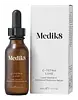
This brightening serum is formulated around Tetrahexyldecyl Ascorbate and Squalane to brighten dull-looking skin and fade the look of dark spots.
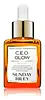
This brightening oil is formulated around Tetrahexyldecyl Ascorbate to brighten dull-looking skin.


What's inside
What's inside
 Key Ingredients
Benefits
Concerns
Ingredients Side-by-side
Squalane
Emollient


Simmondsia Chinensis Seed Oil
Emollient



Tetrahexyldecyl Ascorbate
Antioxidant





Dimethicone
Emollient
Candida Bombicola/Glucose/Methyl Rapeseedate Ferment
AntimicrobialCitrus Grandis Peel Oil
Masking




Ethyl Linoleate
Emollient
Passiflora Edulis Seed Oil
Emollient
Tocopheryl Acetate
Antioxidant
Helianthus Annuus Seed Oil
Emollient
Olea Europaea Fruit Oil
Masking
Panax Ginseng Root Oil
Skin Conditioning
Prunus Amygdalus Dulcis Oil
Skin Conditioning
Prunus Armeniaca Kernel Oil
Masking
PPG-12/Smdi Copolymer
EmollientLimonene
Perfuming
Citral
Perfuming
Linalool
Perfuming
Geraniol
Perfuming
Squalane, Simmondsia Chinensis Seed Oil, Tetrahexyldecyl Ascorbate, Dimethicone, Candida Bombicola/Glucose/Methyl Rapeseedate Ferment, Citrus Grandis Peel Oil, Ethyl Linoleate, Passiflora Edulis Seed Oil, Tocopheryl Acetate, Helianthus Annuus Seed Oil, Olea Europaea Fruit Oil, Panax Ginseng Root Oil, Prunus Amygdalus Dulcis Oil, Prunus Armeniaca Kernel Oil, PPG-12/Smdi Copolymer, Limonene, Citral, Linalool, Geraniol
Rubus Idaeus Seed Oil
Emollient
Neopentyl Glycol Diethylhexanoate
Emollient
Caprylyl Caprylate/Caprate
Emollient
Simmondsia Chinensis Seed Oil
Emollient
Cucumis Sativus Seed Oil
Emollient
Punica Granatum Seed Oil
Emollient
Vaccinium Macrocarpon Seed Oil
Skin Conditioning
Oenothera Biennis Oil
Emollient
Octyldodecanol
Emollient
Tetrahexyldecyl Ascorbate
Antioxidant
Curcuma Longa Root Extract
Antioxidant
Helianthus Annuus Seed Oil Unsaponifiables
Emollient
Citrus Aurantium Amara Flower Oil
Masking
Melia Azadirachta Leaf Extract
Skin ConditioningEclipta Prostrata Extract
Skin Conditioning
Moringa Oleifera Seed Oil
Emollient
Tocopherol
Antioxidant
Helianthus Annuus Seed Oil
Emollient
Pentylene Glycol
Skin Conditioning
4-T-Butylcyclohexanol
Masking
Ribes Nigrum Seed Oil
Emollient
Bisabolol
Antioxidant
Cetylhydroxyproline Palmitamide
Skin ConditioningHexyldecanol
Emollient
Hydroxyphenyl Propamidobenzoic Acid
Skin ConditioningStearic Acid
Cleansing
Brassica Campestris Sterols
EmollientCardiospermum Halicacabum Flower/Leaf/Vine Extract
Skin ConditioningZingiber Officinale Root Extract
Masking
Rosmarinus Officinalis Leaf Extract
AntimicrobialRubus Idaeus Seed Oil, Neopentyl Glycol Diethylhexanoate, Caprylyl Caprylate/Caprate, Simmondsia Chinensis Seed Oil, Cucumis Sativus Seed Oil, Punica Granatum Seed Oil, Vaccinium Macrocarpon Seed Oil, Oenothera Biennis Oil, Octyldodecanol, Tetrahexyldecyl Ascorbate, Curcuma Longa Root Extract, Helianthus Annuus Seed Oil Unsaponifiables, Citrus Aurantium Amara Flower Oil, Melia Azadirachta Leaf Extract, Eclipta Prostrata Extract, Moringa Oleifera Seed Oil, Tocopherol, Helianthus Annuus Seed Oil, Pentylene Glycol, 4-T-Butylcyclohexanol, Ribes Nigrum Seed Oil, Bisabolol, Cetylhydroxyproline Palmitamide, Hexyldecanol, Hydroxyphenyl Propamidobenzoic Acid, Stearic Acid, Brassica Campestris Sterols, Cardiospermum Halicacabum Flower/Leaf/Vine Extract, Zingiber Officinale Root Extract, Rosmarinus Officinalis Leaf Extract
Reviews
Ingredients Explained
These ingredients are found in both products.
Ingredients higher up in an ingredient list are typically present in a larger amount.
Helianthus Annuus Seed Oil is a plant oil derived from the seeds of a sunflower.
It is rich in fatty acids, primarily linoleic acid and oleic acid. This gives it emollient and skin conditioning properties.
The reason this ingredient is so effective is because it forms a thin film on the skin that reduces transepidermal water loss (TEWL) while supplying linoleic acid to the stratum corneum to improve barrier strength.
The high linoleic acid content is particularly noteworthy for acne-prone skin.
Research suggests that acne-prone skin tends to be deficient in linoleic acid in sebum. Topical application may help replenish this to support a healthier follicular environment and less comedone-promoting sebum.
One randomized study found sunflower seed oil preserved skin barrier integrity in adult volunteers with and without atopic dermatitis (outperforming olive oil).
This ingredient is well-studied, gentle, and an effective emollient suitable for most skin types.
On fungal acne: This ingredient may not be Fungal acne (Malassezia folliculitis) safe. This is because it contains fatty acids with carbon chain lengths in the C11-C24 range.
Learn more about Helianthus Annuus Seed OilJojoba oil is one of the most well-studied plant-derived ingredients in cosmetics. It is an emollient with a special structure.
Because it is made up of 97-98% wax esters, it closely mirrors the linear monoesters found in human sebum. This makes it skin compatible, non-greasy, and lightweight.
Unlike other plant oils, jojoba wax doesn't easily penetrate skin. It mostly works in the uppermost layers as an emollient. This just means it forms a light barrier on the skin to help retain moisture.
Formulations with jojoba esters up to 90% reduced transepidermal water loss (TEWL) and increased barrier recovery by 81% (outperforming bisabolol at 47%).
Besides barrier support, the science also suggests jojoba to have anti-inflammatory effects and potential applications for skin infections, aging, and wound healing.
Fun fact: Indigenous cultures have used jojoba as a moisturizer and to help treat burns for centuries.
Fungal acne: The Malassezia yeast is known to metabolize fatty acids in the C11-24 range and jojoba's dominant fatty acid components fall into this range. This ingredient may not be fungal acne safe.
Learn more about Simmondsia Chinensis Seed OilTetrahexyldecyl Ascorbate (THD) is a stable and oil-soluble form of Vitamin C.
THD is special in that it has the ability to travel deeper into skin than traditional ascorbic acid while maintaining the same skin benefits (double win!).
Because it’s oil-soluble, THD dives deep into your skin’s fatty layers (think ceramides and cholesterol) to fight off the kind of free radicals that mess with your skin barrier. This makes it a great pair with water-based vitamin C (ascorbic acid) that mainly works on the surface.
Even at just 0.1%, THD is already showing great antioxidant activity. When used up to 2%, it helps keep your skin happy and calm, especially when it’s stressed from pollution or sun.
Want to fade dark spots or tackle hyperpigmentation? You’ll want 5% or more. Pairing it with brightening buddies like niacinamide or licorice root gives even better results. One study even used 30% THD with other brighteners and saw real results on stubborn discoloration, even in melasma-prone skin.
A note on THD: It’s has a slightly silky, oily texture and usually shows up colorless or pale yellow (though the exact shade can vary by supplier).
While you can sneak it into water-based formulas, it really shines when paired with silicones or oils, which help your skin soak it up better.
THD is pretty stable, but it’s still vulnerable to degradation like ascorbic acid. Too much light or heat (above 113°F / 45°C) can break it down over time. Go for dark and opaque packaging that keeps it safe and shady!
Read more about other types of Vitamin C:
Learn more about Tetrahexyldecyl Ascorbate

