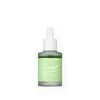
This calming ampoule is formulated around Centella Asiatica Leaf Water and Niacinamide to calm redness and strengthen the skin barrier.

What's inside
What's inside
 Key Ingredients
Benefits
Concerns
No concerns
Ingredients Side-by-side
Centella Asiatica Leaf Water
Skin Conditioning


Water
Skin ConditioningGlycerin
Humectant

Butylene Glycol
Humectant
Methylpropanediol
SolventGlycereth-26
Humectant
Niacinamide
Smoothing







1,2-Hexanediol
Skin Conditioning
Betaine
Humectant
Carbomer
Emulsion StabilisingTromethamine
BufferingGlycereth-25 PCA Isostearate
Emulsifying

Ethylhexylglycerin
Skin ConditioningDipotassium Glycyrrhizate
Humectant
Allantoin
Skin Conditioning
Glyceryl Acrylate/Acrylic Acid Copolymer
HumectantPanthenol
Skin Conditioning
Gardenia Florida Fruit Extract
Skin ConditioningCoptis Japonica Extract
AntimicrobialCentella Asiatica Root Extract
Skin Conditioning
Centella Asiatica Leaf Extract
Skin Conditioning
Centella Asiatica Extract
Cleansing
Hydrogenated Lecithin
Emulsifying
Melaleuca Alternifolia Leaf Water
Antimicrobial
Propanediol
Solvent
Madecassoside
Antioxidant
Glycyrrhiza Uralensis Extract
EmollientEctoin
Skin Conditioning
Dipropylene Glycol
HumectantCentella Asiatica Leaf
Skin Conditioning
Caprylic/Capric Triglyceride
Masking
Biosaccharide Gum-1
Humectant
Pentylene Glycol
Skin Conditioning
Melaleuca Alternifolia Leaf Extract
Perfuming
Sodium Hyaluronate
Humectant
Vegetable Amino Acids
Skin ConditioningSaccharide Isomerate
Humectant
Lactobacillus Ferment Filtrate
Skin ConditioningHydrolyzed Vegetable Protein
Skin ConditioningHyaluronic Acid
Humectant
Houttuynia Cordata Extract
Skin Conditioning
Asiaticoside
Antioxidant
Madecassic Acid
Skin Conditioning
Asiatic Acid
Skin Conditioning
Centella Asiatica Leaf Water, Water, Glycerin, Butylene Glycol, Methylpropanediol, Glycereth-26, Niacinamide, 1,2-Hexanediol, Betaine, Carbomer, Tromethamine, Glycereth-25 PCA Isostearate, Ethylhexylglycerin, Dipotassium Glycyrrhizate, Allantoin, Glyceryl Acrylate/Acrylic Acid Copolymer, Panthenol, Gardenia Florida Fruit Extract, Coptis Japonica Extract, Centella Asiatica Root Extract, Centella Asiatica Leaf Extract, Centella Asiatica Extract, Hydrogenated Lecithin, Melaleuca Alternifolia Leaf Water, Propanediol, Madecassoside, Glycyrrhiza Uralensis Extract, Ectoin, Dipropylene Glycol, Centella Asiatica Leaf, Caprylic/Capric Triglyceride, Biosaccharide Gum-1, Pentylene Glycol, Melaleuca Alternifolia Leaf Extract, Sodium Hyaluronate, Vegetable Amino Acids, Saccharide Isomerate, Lactobacillus Ferment Filtrate, Hydrolyzed Vegetable Protein, Hyaluronic Acid, Houttuynia Cordata Extract, Asiaticoside, Madecassic Acid, Asiatic Acid
Water
Skin ConditioningGlycerin
Humectant
Betaine
Humectant
Trehalose
Humectant
Squalane
Emollient
Caprylic/Capric Triglyceride
Masking
Panthenol
Skin Conditioning
Sodium Hyaluronate
Humectant
Hydrolyzed Hyaluronic Acid
Humectant
Hyaluronic Acid
Humectant
Sodium Hyaluronate Crosspolymer
Humectant
Hydrolyzed Glycosaminoglycans
HumectantMelaleuca Alternifolia Leaf Extract
Perfuming
Portulaca Oleracea Extract
Skin Conditioning
Houttuynia Cordata Extract
Skin Conditioning
Salix Alba Bark Extract
Astringent
Origanum Vulgare Extract
Skin ConditioningChamaecyparis Obtusa Leaf Oil
Emollient
Water, Glycerin, Betaine, Trehalose, Squalane, Caprylic/Capric Triglyceride, Panthenol, Sodium Hyaluronate, Hydrolyzed Hyaluronic Acid, Hyaluronic Acid, Sodium Hyaluronate Crosspolymer, Hydrolyzed Glycosaminoglycans, Melaleuca Alternifolia Leaf Extract, Portulaca Oleracea Extract, Houttuynia Cordata Extract, Salix Alba Bark Extract, Origanum Vulgare Extract, Chamaecyparis Obtusa Leaf Oil
Reviews
Ingredients Explained
These ingredients are found in both products.
Ingredients higher up in an ingredient list are typically present in a larger amount.
Betaine is a humectant. Like hyaluronic acid, it helps attract and retain moisture in the skin. It’s known for being gentle and for helping the skin maintain balanced hydration.
Betaine is mainly used to improve hydration and support calmer skin. It helps skin cells regulate water balance because it functions as an osmolyte.
Some studies suggest betaine may support making skin tone more even.
Fun fact: Betaine naturally exists in the skin and the body. In cosmetic products, it can be either plant-derived (most commonly from sugar beets) or synthetically produced for consistency and stability.
Betaine is also known as trimethylglycine.
Learn more about BetaineCaprylic/Capric Triglyceride (aka MCT Oil) is a lightweight emollient, solvent, and texture enhancer. It is considered a skin-softener by helping to prevent moisture loss.
Though it behaves like an oil, it is not technically one due to its chemical composition. One perk of this ingredient is that it is very stable, resistant to oxidation, and unlikely to go rancid.
In practice, that translates to a long shelf life and a consistently elegant skin feel.
While there is an assumption Caprylic Triglyceride can clog pores due to it being derived from coconut oil, there is no research supporting this. Just patch test if you have concerns.
Fractionated coconut oil and MCT Oil are both listed as Caprylic/Capric Triglyceride according to INCI. This is because INCI names are based on the ingredient’s final chemical composition and not its marketing name or source.
This ingredient is treated as the gold standard fungal acne safe oil. Even though it is coconut derived, the problematic lauric acid is stripped out.
This leaves just caprylic (C8) and capric (C10) acid. These chain lengths actually trend antifungal; a 2020 study found caprylic acid was enough to disrupt Malassezia furfur cell membrane, with a caprylic acid derivative damaging membrane structures at concentrations as low as 0.2%.
Learn more about Caprylic/Capric TriglycerideGlycerin (or glycerol) is a compound naturally found in your skin. It's a powerhouse humectant that pulls water into the stratum corneum.
Topically, glycerin does several things at once:
Your skin makes glycerin on its own (mostly from sebaceous oil breakdown) and shuttles it to your outermost layer of skin, or your epidermis, via aquaporin-3.
Aquaporin-3 is a transporter that is essential for normal skin hydration, elasticity, and repair. Interestingly, mice lacking in AQP3 have dry and less elastic skin that can be fully corrected with glycerin.
This ingredient is non-irritating, plays well with almost every ingredient, and works across all skin types. Typical use is anywhere between 3-10% but can go up to 79% in some leave-on products.
Just know very high concentrations (>40%) can feel tacky in low humidity.
Glycerin is the name for this ingredient in American English. British English uses Glycerol/Glycerine.
Learn more about GlycerinHouttuynia Cordata Extract is more commonly known as Heart Leaf, Fish Mint, or Chameleon plant.
The components found in Heart Leaf give it antioxidant, hydrating, antimicrobial, and anti-inflammatory properties.
Heart Leaf is rich in flavonoids such as quercetin, apigenin, and more. It also contains polysaccharides, the most common type of carbs in food.
Flavonoids have been shown to be effective antioxidants. They help neutralize free-radical molecules. Free-radical molecules are unstable molecules that may damage our skin cells and DNA. The flavonoids in Heart Leaf also help soothe the skin.
Polysaccharides are naturally found in our skin. They play a role in hydrating and repairing the top layer of skin. The polysaccharides in Heart Leaf help moisturize our skin.
Studies show decanoyl acetaldehyde, a component of Heart Leaf oil, is effective at killing bacteria.
The name 'Fish Mint' comes from the herb's natural fishy smell. Is is native to southeast Asia and used throughout the continent for traditional cooking and medicine.
Learn more about Houttuynia Cordata ExtractHyaluronic acid (HA) is a glycosaminoglycan (basically a long sugar chain) that your skin already makes on its own. In your skin, HA lives in the extracellular matrix and acts as the body's moisture reservoir.
Topically, HA is a humectant that binds water and helps skin look more plump, smooth, and hydrated.
The only catch is that HA isn't a single thing; it actually comes in a wide range of molecular weights (~50 - 2,000+ kDA) and size matters.
Some clinical evidence links low molecular weight versions to improved wrinkle depth, elasticity, anti-inflammatory effects, and barrier repair.
This is why the best HA serums blend the two sizes together so you get the best of both worlds.
The majority of cosmetic HA is produced by bacterial fermentation, typically using Streptococcus or Bacillus strains. Typical use levels in skincare sit around 0.1-2%.
A clinical study using a 0.2% low-molecular weight HA gel showed improvement in facial seborrheic dermatitis with excellent tolerance.
These are some other common types of Hyaluronic Acid:
Learn more about Hyaluronic AcidMelaleuca Alternifolia Leaf Extract comes from the Tea Tree, Melaleuca alternifolia, Myrtaceae. This tea tree is native to Australia.
Tea Leaf extract contains antimicrobial and anti-acne properties.
This ingredient has perfuming properties and contains linalool and limonene. These fragrance and terpinen components can cause skin sensitivity.
Learn more about the benefits of Tea Tree Oil here.
Learn more about Melaleuca Alternifolia Leaf ExtractPanthenol is a common ingredient that helps hydrate and soothe the skin. It is found naturally in our skin and hair.
There are two forms of panthenol: D and L.
D-panthenol is also known as dexpanthenol. Most cosmetics use dexpanthenol or a mixture of D and L-panthenol.
Panthenol is famous due to its ability to go deeper into the skin's layers. Using this ingredient has numerous pros (and no cons):
Like hyaluronic acid, panthenol is a humectant. Humectants are able to bind and hold large amounts of water to keep skin hydrated.
This ingredient works well for wound healing. It works by increasing tissue in the wound and helps close open wounds.
Once oxidized, panthenol converts to pantothenic acid. Panthothenic acid is found in all living cells.
This ingredient is also referred to as pro-vitamin B5.
Learn more about PanthenolSodium Hyaluronate is the salt form of hyaluronic acid. It is a long sugar chain that is naturally found in your skin, joints, and connective tissue that maintains hydration and elasticity.
In skincare, it works as a humectant. It pulls water from the environment and deeper layers of skin and binds it to the surface.
Interestingly, the size of the molecule affects its behavior:
Some clinical evidence links low molecular weight versions to improved wrinkle depth, elasticity, anti-inflammatory effects, and barrier repair.
Many serums use a blend of both weights so you can get surface hydration plus longer-lasting and deeper effects.
You'll typically see concentrations between 0.1-2% for this ingredient.
Learn more about Sodium HyaluronateWater. It's the most common cosmetic ingredient of all. You'll usually see it at the top of ingredient lists, meaning that it makes up the largest part of the product.
So why is it so popular? Water most often acts as a solvent - this means that it helps dissolve other ingredients into the formulation.
You'll also recognize water as that liquid we all need to stay alive. If you see this, drink a glass of water. Remember to stay hydrated!
Learn more about Water

