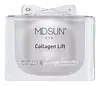
This anti-aging moisturizer is formulated around Acetyl Octapeptide-3 and Gluconolactone to soften the look of wrinkles and refine skin texture.
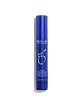
This anti-aging treatment is formulated around Acetyl Octapeptide-3 and Acetyl Hexapeptide-8 to soften the look of wrinkles.

What's inside
What's inside
 Key Ingredients
Benefits
Concerns
Ingredients Side-by-side
Acetyl Octapeptide-3
Humectant

Cichorium Intybus Root Extract
MaskingGluconolactone
Chelating






Matrixyl 3000

Hydroxyethyl Urea
Humectant
Palmitoyl Tripeptide-29
Skin Conditioning
Gold
Cosmetic ColorantLactobionic Acid
Buffering
Leuconostoc/Radish Root Ferment Filtrate
Antimicrobial

Rh-Polypeptide-104
Skin Protecting
Rh-Polypeptide-11
Skin Conditioning
Rh-Polypeptide-1
Skin Conditioning
Rh-Polypeptide-3
Skin Conditioning
Sh-Polypeptide-9
Skin Conditioning
Rh-Polypeptide-20
Skin Conditioning
Rh-Polypeptide-51
Antioxidant
Whey Protein
Skin ConditioningPalmitoyl Dipeptide-5 Diaminobutyroyl Hydroxythreonine
Skin Conditioning
Citrus Grandis Fruit Extract
Astringent
Dipeptide Diaminobutyroyl Benzylamide Diacetate
Skin Conditioning
Hexapeptide-11
Skin Conditioning
Palmitoyl Tripeptide-5
Skin Conditioning
Tetradecyl Aminobutyroylvalylaminobutyric Urea Trifluoroacetate
Skin ConditioningCocodimonium Hydroxypropyl Hydrolyzed Wheat Protein
CleansingTetrapeptide-23
Skin Conditioning
Acetylarginyltryptophyl Diphenylglycine
Skin ConditioningHuman Adipose Stromal Cell Extract
Skin ConditioningHuman Neonatal Fibroblast Conditioned Media
Skin ConditioningHydrolyzed Hibiscus Esculentus Extract
Skin ConditioningAcetyl Tetrapeptide-22
Skin Conditioning
Sh-Polypeptide-3
Skin Conditioning
EDTA
ChelatingPotassium Sorbate
Preservative
Hydroxyethylcellulose
Emulsion StabilisingDimethyl Isosorbide
SolventSodium Hydroxide
BufferingCentella Asiatica Leaf Extract
Skin Conditioning


Echinacea Angustifolia Meristem Cell Culture
Skin ConditioningGardenia Jasminoides Meristem Cell Culture
Antioxidant
Leontopodium Alpinum Meristem Cell Culture
Skin ConditioningMalus Domestica Fruit Cell Culture Extract
Skin ConditioningSodium Acrylates Copolymer
Carbomer
Emulsion StabilisingAloe Barbadensis Leaf Juice
Skin Conditioning
Acetyl Octapeptide-3, Cichorium Intybus Root Extract, Gluconolactone, Matrixyl 3000, Hydroxyethyl Urea, Palmitoyl Tripeptide-29, Gold, Lactobionic Acid, Leuconostoc/Radish Root Ferment Filtrate, Rh-Polypeptide-104, Rh-Polypeptide-11, Rh-Polypeptide-1, Rh-Polypeptide-3, Sh-Polypeptide-9, Rh-Polypeptide-20, Rh-Polypeptide-51, Whey Protein, Palmitoyl Dipeptide-5 Diaminobutyroyl Hydroxythreonine, Citrus Grandis Fruit Extract, Dipeptide Diaminobutyroyl Benzylamide Diacetate, Hexapeptide-11, Palmitoyl Tripeptide-5, Tetradecyl Aminobutyroylvalylaminobutyric Urea Trifluoroacetate, Cocodimonium Hydroxypropyl Hydrolyzed Wheat Protein, Tetrapeptide-23, Acetylarginyltryptophyl Diphenylglycine, Human Adipose Stromal Cell Extract, Human Neonatal Fibroblast Conditioned Media, Hydrolyzed Hibiscus Esculentus Extract, Acetyl Tetrapeptide-22, Sh-Polypeptide-3, EDTA, Potassium Sorbate, Hydroxyethylcellulose, Dimethyl Isosorbide, Sodium Hydroxide, Centella Asiatica Leaf Extract, Echinacea Angustifolia Meristem Cell Culture, Gardenia Jasminoides Meristem Cell Culture, Leontopodium Alpinum Meristem Cell Culture, Malus Domestica Fruit Cell Culture Extract, Sodium Acrylates Copolymer, Carbomer, Aloe Barbadensis Leaf Juice
Water
Skin ConditioningGlycerin
Humectant
Propanediol
Solvent
Acetyl Octapeptide-3
Humectant
Acetyl Hexapeptide-8
Humectant
Palmitoyl Dipeptide-5 Diaminobutyroyl Hydroxythreonine
Skin Conditioning
Palmitoyl Dipeptide-5 Diaminohydroxybutyrate
Skin Conditioning
Laminaria Digitata Extract
Skin Protecting

Opuntia Ficus-Indica Stem Extract
Skin Conditioning
Tocopherol
Antioxidant

Caprylyl Glycol
Emollient
Hexylene Glycol
EmulsifyingSodium Hyaluronate
Humectant
Galactoarabinan
Schizophyllan
HumectantTetradecyl Aminobutyroylvalylaminobutyric Urea Trifluoroacetate
Skin ConditioningUrea Acetate
Beta-Sitosterol
Emulsion Stabilising
Lecithin
Emollient
Hydrogenated Phosphatidylcholine
Emulsifying
Lysolecithin
EmulsifyingCarbomer
Emulsion StabilisingXanthan Gum
EmulsifyingMagnesium Chloride
Disodium EDTA
ChelatingPhytic Acid
Chelating
Maltodextrin
Absorbent
Squalene
Emollient
Aminomethyl Propanol
BufferingCitric Acid
Buffering
Phenoxyethanol
Preservative
Ethylhexylglycerin
Skin ConditioningSodium Benzoate
Masking
Potassium Sorbate
Preservative
Water, Glycerin, Propanediol, Acetyl Octapeptide-3, Acetyl Hexapeptide-8, Palmitoyl Dipeptide-5 Diaminobutyroyl Hydroxythreonine, Palmitoyl Dipeptide-5 Diaminohydroxybutyrate, Laminaria Digitata Extract, Opuntia Ficus-Indica Stem Extract, Tocopherol, Caprylyl Glycol, Hexylene Glycol, Sodium Hyaluronate, Galactoarabinan, Schizophyllan, Tetradecyl Aminobutyroylvalylaminobutyric Urea Trifluoroacetate, Urea Acetate, Beta-Sitosterol, Lecithin, Hydrogenated Phosphatidylcholine, Lysolecithin, Carbomer, Xanthan Gum, Magnesium Chloride, Disodium EDTA, Phytic Acid, Maltodextrin, Squalene, Aminomethyl Propanol, Citric Acid, Phenoxyethanol, Ethylhexylglycerin, Sodium Benzoate, Potassium Sorbate
Alternatives
Ingredients Explained
These ingredients are found in both products.
Ingredients higher up in an ingredient list are typically present in a larger amount.
Acetyl Octapeptide-3 is a synthetic peptide also commonly known as SNAP-8. It is a lab-made peptide often marketed as a gentler, topical alternative to Botox.
It works by mimicking part of a protein involved in muscle contractions, which may help relax facial tension and reduce the appearance of fine lines (mostly around the eyes and forehead).
It’s considered a “next-gen” version of Argireline (Acetyl Hexapeptide-8), an older peptide with more research behind it that also supports collagen production.
SNAP-8 showed slightly better results than Argireline in one small manufacturer-funded study, but there’s limited independent research. Plus, most tests use concentrations higher than what’s typically found in skincare products.
This ingredient might offer a subtle smoothing effect but it won't don’t deliver the dramatic results of actual Botox injections.
Think of it more like a supporting actor in your skincare lineup.
Learn more about Acetyl Octapeptide-3Carbomer is a synthetic thickening and gelling agent. It's basically the ingredient that gives a lot of serums, gels, creams, and sunscreens their smooth, non-sticky texture.
Although legally permitted at very high levels, carbomers are normally used at concentrations below 1%.
It also needs to be neutralized to actually thicken, and because it is a large molecule, it doesn't really penetrate the skin barrier.
Allergy-wise, the risk is very low. Clinical studies show carbomers have low potential for skin irritation/sensitization even at concentrations up to 100%.
A 2024 UK study patch-tested 1,302 patients and found true allergy to the parent group of carbomer to be rare with no confirmed relevant reactions.
Learn more about CarbomerThis ingredient is a synthetic lipopeptide that is often paired with its sibling, Palmitoyl Dipeptide-5 Diaminohydroxybutyrate, in a trade blend called Syn-Tacks.
It's main job is to target the dermal-epidermal junction. This junction starts to weaken around age 30 and its functino depends heavily on proteins to keep skin intact, firm, and resilient.
This ingredient works by stimulating all of these proteins simultaneously. Research on related peptide complexes has shown that topical application significantly increased dermal collagen expression with significant improvement in skin wrinkles observed after just 2 weeks.
Clinical data suggests using 1-3% concentration for visible results and most blends use this amount anyway.
Learn more about Palmitoyl Dipeptide-5 Diaminobutyroyl HydroxythreoninePotassium Sorbate is a preservative used to prevent yeast and mold in products. It is commonly found in both cosmetic and food products.
This ingredient comes from potassium salt derived from sorbic acid. Sorbic acid is a natural antibiotic and effective against fungus.
Both potassium sorbate and sorbic acid can be found in baked goods, cheeses, dried meats, dried fruit, ice cream, pickles, wine, yogurt, and more.
You'll often find this ingredient used with other preservatives.
Learn more about Potassium SorbateWe don't have a description for Tetradecyl Aminobutyroylvalylaminobutyric Urea Trifluoroacetate yet.


