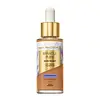
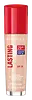
Max Factor X Miracle Pure Serum Foundation Versus Rimmel London Lasting Finish 25Hr Foundation SPF 20


What's inside
What's inside
 Key Ingredients
Benefits
Concerns
Ingredients Side-by-side
Water
Skin ConditioningDicaprylyl Carbonate
EmollientIsododecane
Emollient2,3-Butanediol
HumectantGlycerin
Humectant


Saccharomyces Ferment
Skin Conditioning

Polyglyceryl-4 Diisostearate/Polyhydroxystearate/Sebacate
Emulsifying
Aluminum Starch Octenylsuccinate
Absorbent
Niacinamide
Smoothing








Diisostearoyl Polyglyceryl-3 Dimer Dilinoleate
Emollient
Propylene Glycol
Humectant
Sodium Chloride
MaskingTrimethylsiloxysilicate
Emollient
Mica
Cosmetic ColorantDisteardimonium Hectorite
StabilisingLauroyl Lysine
Skin Conditioning
Parfum
Masking


Xanthan Gum
Emulsifying1,2-Hexanediol
Skin Conditioning
Caprylyl Glycol
Emollient
Chlorphenesin
Antimicrobial
Propylene Carbonate
SolventTriethoxycaprylylsilane
Bisabolol
Antioxidant
Sodium Hyaluronate
Humectant
Methicone
Emollient
Tocopherol
Antioxidant
Iron Oxides
CI 77891
Cosmetic ColorantWater, Dicaprylyl Carbonate, Isododecane, 2,3-Butanediol, Glycerin, Saccharomyces Ferment, Polyglyceryl-4 Diisostearate/Polyhydroxystearate/Sebacate, Aluminum Starch Octenylsuccinate, Niacinamide, Diisostearoyl Polyglyceryl-3 Dimer Dilinoleate, Propylene Glycol, Sodium Chloride, Trimethylsiloxysilicate, Mica, Disteardimonium Hectorite, Lauroyl Lysine, Parfum, Xanthan Gum, 1,2-Hexanediol, Caprylyl Glycol, Chlorphenesin, Propylene Carbonate, Triethoxycaprylylsilane, Bisabolol, Sodium Hyaluronate, Methicone, Tocopherol, Iron Oxides, CI 77891
Water
Skin ConditioningDicaprylyl Carbonate
EmollientDicaprylyl Ether
Emollient
Isododecane
EmollientAluminum Starch Octenylsuccinate
Absorbent
Zinc Oxide
Cosmetic Colorant

Silica
Abrasive
Glycerin
Humectant
Cetyl PEG/PPG-10/1 Dimethicone
Emulsifying
Tri (Polyglyceryl-3/Lauryl) Hydrogenated Trilinoleate
EmulsifyingTrimethylsiloxysilicate
Emollient
Niacinamide
Smoothing
2,3-Butanediol
HumectantStearalkonium Bentonite
Gel FormingPropylene Carbonate
SolventTocopheryl Acetate
Antioxidant
Caprylic/Capric Triglyceride
Masking
Triethoxycaprylylsilane
Alpha-Glucan Oligosaccharide
Cleansing
Silica Dimethyl Silylate
EmollientSodium Benzoate
Masking
Chlorphenesin
Antimicrobial
Parfum
Masking
Sodium Chloride
MaskingSodium Hyaluronate
Humectant
Hexyl Cinnamal
Perfuming
Hexamethylindanopyran
Masking
Limonene
Perfuming
Citrus Aurantium Peel Oil

Dimethylmethoxy Chromanol
Antioxidant
Rosa Damascena Flower Extract
Masking
Tocopherol
Antioxidant
Benzyl Salicylate
Perfuming
Linalool
Perfuming
Tetramethyl Acetyloctahydronaphthalenes
Masking
Geraniol
Perfuming
Citrus Aurantium Bergamia Fruit Oil
Masking
Citronellol
Perfuming
Alpha-Isomethyl Ionone
Perfuming
Linalyl Acetate
Masking
Pentaerythrityl Tetra-Di-T-Butyl Hydroxyhydrocinnamate
Antioxidant
CI 77491
Cosmetic ColorantCI 77492
Cosmetic ColorantCI 77499
Cosmetic ColorantCI 77891
Cosmetic ColorantWater, Dicaprylyl Carbonate, Dicaprylyl Ether, Isododecane, Aluminum Starch Octenylsuccinate, Zinc Oxide, Silica, Glycerin, Cetyl PEG/PPG-10/1 Dimethicone, Tri (Polyglyceryl-3/Lauryl) Hydrogenated Trilinoleate, Trimethylsiloxysilicate, Niacinamide, 2,3-Butanediol, Stearalkonium Bentonite, Propylene Carbonate, Tocopheryl Acetate, Caprylic/Capric Triglyceride, Triethoxycaprylylsilane, Alpha-Glucan Oligosaccharide, Silica Dimethyl Silylate, Sodium Benzoate, Chlorphenesin, Parfum, Sodium Chloride, Sodium Hyaluronate, Hexyl Cinnamal, Hexamethylindanopyran, Limonene, Citrus Aurantium Peel Oil, Dimethylmethoxy Chromanol, Rosa Damascena Flower Extract, Tocopherol, Benzyl Salicylate, Linalool, Tetramethyl Acetyloctahydronaphthalenes, Geraniol, Citrus Aurantium Bergamia Fruit Oil, Citronellol, Alpha-Isomethyl Ionone, Linalyl Acetate, Pentaerythrityl Tetra-Di-T-Butyl Hydroxyhydrocinnamate, CI 77491, CI 77492, CI 77499, CI 77891
Ingredients Explained
These ingredients are found in both products.
Ingredients higher up in an ingredient list are typically present in a larger amount.
2,3-Butanediol is a naturally occurring humectant and solvent. It's created from fermentation and can be found in foods like cocoa butter and sweet corn.
This ingredient attracts and holds onto moisture to boost hydration in skin. According to a manufacturer, this ingredient improves the spreadability of ingredients like vitamin C.
Aluminum Starch Octenylsuccinate is a synthetic powder used as an absorbent, thickener, and anti-caking agent.
As an absorbent, it is great at mattifying skin by soaking up the oil. This is why you'll find it in a range of products from makeup to moisturizers.
This ingredient is considered a modified starch. Starch can also be found naturally in plants.
One study from 1991 found that 5% of this ingredient enhanced titanium dioxide SPF by as much as 40%. The study found 1% titanium dioxide had a 5.6 SPF and adding 5% of aluminum starch octenylsuccinate boosted it to an SPF of 8.1
Although “aluminum” in an ingredient name can raise red flags for some consumers, the form and usage context matter significantly. For typical topical applications, there is no substantial evidence of health risks - such as cancer, neurotoxicity, or systemic “aluminum overload.”
Learn more about Aluminum Starch OctenylsuccinateChlorphenesin is a synthetic preservative. It helps protect a product against bacteria in order to extend shelf life. In most cases, Chlorphenesin is paired with other preservatives such as phenoxyethanol and caprylyl glycol.
Chlorphenesin is a biocide. This means it is able to help fight the microorganisms on our skin. It is also able to fight odor-releasing bacteria.
Chlorphenesin is soluble in both water and glycerin.
Studies show Chlorphenesin is easily absorbed by our skin. You should speak with a skincare professional if you have concerns about using Chlorphenesin.
Learn more about ChlorphenesinCi 77891 is a white pigment from Titanium dioxide. It is naturally found in minerals such as rutile and ilmenite.
It's main function is to add a white color to cosmetics. It can also be mixed with other colors to create different shades.
Ci 77891 is commonly found in sunscreens due to its ability to block UV rays.
Learn more about CI 77891Dicaprylyl Carbonate comes from carbonic acid and caprylyl alcohol, a fatty alcohol. It is an emollient and gives skin a velvet feel. The sources of Dicaprylyl Carbonate may be synthetic or from animals.
As an emollient, Dicaprylyl Carbonate creates a film on the skin. This film traps moisture in, keeping your skin soft and hydrated.
Glycerin (or glycerol) is a compound naturally found in your skin. It's a powerhouse humectant that pulls water into the stratum corneum.
Topically, glycerin does several things at once:
Your skin makes glycerin on its own (mostly from sebaceous oil breakdown) and shuttles it to your outermost layer of skin, or your epidermis, via aquaporin-3.
Aquaporin-3 is a transporter that is essential for normal skin hydration, elasticity, and repair. Interestingly, mice lacking in AQP3 have dry and less elastic skin that can be fully corrected with glycerin.
This ingredient is non-irritating, plays well with almost every ingredient, and works across all skin types. Typical use is anywhere between 3-10% but can go up to 79% in some leave-on products.
Just know very high concentrations (>40%) can feel tacky in low humidity.
Glycerin is the name for this ingredient in American English. British English uses Glycerol/Glycerine.
Learn more about GlycerinIsododecane is a fragrance, emollient, and solvent.
As an emollient, it helps your skin stay soft and hydrated. Emollients help trap moisture into your skin.
Isododecane's role as a solvent makes it a great texture enhancer. It spreads smoothly on skin and does not leave a sticky feeling behind. Isododecane also helps prevent color transfer in makeup products.
Isododecane is not absorbed into skin.
The chemical name for this ingredient is 2,2,4,6,6-PENTAMETHYLHEPTANE.
Learn more about IsododecaneNiacinamide is a multitasking form of vitamin B3 that strengthens the skin barrier, reduces pores and dark spots, regulates oil, and improves signs of aging.
And the best part? It's gentle and well-tolerated by most skin types, including sensitive and reactive skin.
You might have heard of "niacin flush", or the reddening of skin that causes itchiness. Niacinamide has not been found to cause this.
In very rare cases, some individuals may not be able to tolerate niacinamide at all or experience an allergic reaction to it.
If you are experiencing flaking, irritation, and dryness with this ingredient, be sure to double check all your products as this ingredient can be found in all categories of skincare.
When incorporating niacinamide into your routine, look out for concentration amounts. Typically, 5% niacinamide provides benefits such as fading dark spots. However, if you have sensitive skin, it is better to begin with a smaller concentration.
When you apply niacinamide to your skin, your body converts it into nicotinamide adenine dinucleotide (NAD). NAD is an essential coenzyme that is already found in your cells as "fuel" and powers countless biological processes.
In your skin, NAD helps repair cell damage, produce new healthy cells, support collagen production, strengthen the skin barrier, and fight environmental stressors (like UV and pollution).
Our natural NAD levels start to decline with age, leading to slower skin repair, visible aging, and a weaker skin barrier. By providing your skin niacinamide, you're recharging your skin's NAD levels. This leads to stronger, healthier, and younger looking skin.
Another name for vitamin B3 is nicotinamide. This vitamin is water-soluble and our bodies don't store it. We obtain Vitamin B3 from either food or skincare. Meat, fish, wheat, yeast, and leafy greens contain vitamin B3.
The type of niacinamide used in skincare is synthetically created.
Learn more about NiacinamideParfum is a catch-all term for an ingredient or more that is used to give a scent to products.
Also called "fragrance", this ingredient can be a blend of hundreds of chemicals or plant oils. This means every product with "fragrance" or "parfum" in the ingredients list is a different mixture.
For instance, Habanolide is a proprietary trade name for a specific aroma chemical. When used as a fragrance ingredient in cosmetics, most aroma chemicals fall under the broad labeling category of “FRAGRANCE” or “PARFUM” according to EU and US regulations.
The term 'parfum' or 'fragrance' is not regulated in many countries. In many cases, it is up to the brand to define this term.
For instance, many brands choose to label themselves as "fragrance-free" because they are not using synthetic fragrances. However, their products may still contain ingredients such as essential oils that are considered a fragrance by INCI standards.
One example is Calendula flower extract. Calendula is an essential oil that still imparts a scent or 'fragrance'.
Depending on the blend, the ingredients in the mixture can cause allergies and sensitivities on the skin. Some ingredients that are known EU allergens include linalool and citronellol.
Parfum can also be used to mask or cover an unpleasant scent.
The bottom line is: not all fragrances/parfum/ingredients are created equally. If you are worried about fragrances, we recommend taking a closer look at an ingredient. And of course, we always recommend speaking with a professional.
Learn more about ParfumThis ingredient is a solvent. It helps dissolve active ingredients and alter the texture of products.
Propylene Carbonate is commonly used in makeup and with clay, such as montmorillonite or bentonite.
Studies show this ingredient to be safe for cosmetics. When it is undiluted, it can cause skin irritation. (It is always diluted in skincare and makeup). This ingredient is water-soluble.
Propylene Carbonate is created from propylene glycol and carbonic acid.
Learn more about Propylene CarbonateChances are, you eat sodium chloride every day. Sodium Chloride is also known as table salt. This ingredient has many purposes in skincare: thickener, emulsifier, and exfoliator.
You'll most likely find this ingredient in cleansers where it is used to create a gel-like texture. As an emulsifier, it also prevents ingredients from separating.
You might see people debate whether Sodium Chloride is comedogenic, but there actually haven't been any comedogenic tests done on it. Either way, the overall formulation of a product matters a lot more than any single ingredient.
You might see this ingredient used in scrubs as a primary exfoliating ingredient.
Learn more about Sodium ChlorideSodium Hyaluronate is the salt form of hyaluronic acid. It is a long sugar chain that is naturally found in your skin, joints, and connective tissue that maintains hydration and elasticity.
In skincare, it works as a humectant. It pulls water from the environment and deeper layers of skin and binds it to the surface.
Interestingly, the size of the molecule affects its behavior:
Some clinical evidence links low molecular weight versions to improved wrinkle depth, elasticity, anti-inflammatory effects, and barrier repair.
Many serums use a blend of both weights so you can get surface hydration plus longer-lasting and deeper effects.
You'll typically see concentrations between 0.1-2% for this ingredient.
Learn more about Sodium HyaluronateTocopherol is a fat-soluble antioxidant known as Vitamin E.
You'll find this ingredient in the vast majority of skincare (for good reason). It works to neutralize free radicals, or unstable molecules generated by UV exposure, pollution, and other environmental stressors, before they can cause oxidative damage to your skin cells.
Topically applied tocopherol has been shown to protect against UV damage by ramping up the skin's own natural defense enzymes.
It also acts as a skin conditioning agent; some studies show that regular topical use can improve the skin's water-binding capacity over 2-4 weeks.
This ingredient is especially loved for being a team player. When combined with Vitamin C, the photoprotective effect of both ingredients roughly doubles and the combo also helps reduce UV-induced DNA damage.
This ingredient has some brightening potential but it's more of a prevention ingredient than spot-fader. Cell studies show it can slow down melanin production but it's worth noting that it's not the most powerful brightener out there.
In formulations, it also serves as a stabilizer that helps protect other oxidation-prone ingredients from degrading.
Concentrations usually range from 0.1-1% in most leave-on products.
Learn more about TocopherolTriethoxycaprylylsilane is a silicon-based surface modifier that makes sunscreens feel silky and makeup stay put.
Its main job is to coat mineral particles like titanium dioxide, zinc oxide, and color pigments in a thin, oily layer so they spread smoothly, don't clump, and stick to skin better.
This ingredient is typically used at low levels (up to 2.5% in eyeshadow and 1% in lipstick).
Learn more about TriethoxycaprylylsilaneThis silicone is an emollient. Emollients create a thin film on the skin to prevent moisture from escaping.
It is not soluble in water and helps increase water-resistance in products.
According to a manufacturer, it can blend seamlessly with silicone oils, such as Cyclopentasiloxane.
Learn more about TrimethylsiloxysilicateWater. It's the most common cosmetic ingredient of all. You'll usually see it at the top of ingredient lists, meaning that it makes up the largest part of the product.
So why is it so popular? Water most often acts as a solvent - this means that it helps dissolve other ingredients into the formulation.
You'll also recognize water as that liquid we all need to stay alive. If you see this, drink a glass of water. Remember to stay hydrated!
Learn more about Water

