This anti-aging sheet mask is formulated around Niacinamide and Centella Asiatica Extract to soften the look of wrinkles and calm redness.

What's inside
What's inside
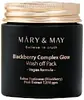 Key Ingredients
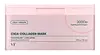
Benefits
Concerns
Ingredients Side-by-side
Water
Skin ConditioningKaolin
Abrasive



Glycerin
Humectant


Bentonite
Absorbent
1,2-Hexanediol
Skin Conditioning
Dipropylene Glycol
HumectantRubus Idaeus Extract
Skin ProtectingMacrocystis Pyrifera Extract
Skin Conditioning

Tropaeolum Majus Flower/Leaf/Stem Extract
Skin ConditioningCamellia Sinensis Leaf Extract
Antimicrobial



Hydrogenated Lecithin
Emulsifying
Butylene Glycol
Humectant
Xanthan Gum
EmulsifyingEgg Shell Powder
Abrasive
Allantoin
Skin Conditioning
Fructooligosaccharides
Humectant
Manicouagan Clay
AbsorbentBeta-Glucan
Skin Conditioning
Canadian Colloidal Clay
Skin ConditioningTocopherol
Antioxidant

Saccharomyces Ferment Filtrate
Humectant

Illite
Abrasive
Hydrolyzed Hyaluronic Acid
Humectant
Montmorillonite
AbsorbentParfum
Masking


Ethylhexylglycerin
Skin ConditioningCI 77499
Cosmetic ColorantCI 77491
Cosmetic ColorantWater, Kaolin, Glycerin, Bentonite, 1,2-Hexanediol, Dipropylene Glycol, Rubus Idaeus Extract, Macrocystis Pyrifera Extract, Tropaeolum Majus Flower/Leaf/Stem Extract, Camellia Sinensis Leaf Extract, Hydrogenated Lecithin, Butylene Glycol, Xanthan Gum, Egg Shell Powder, Allantoin, Fructooligosaccharides, Manicouagan Clay, Beta-Glucan, Canadian Colloidal Clay, Tocopherol, Saccharomyces Ferment Filtrate, Illite, Hydrolyzed Hyaluronic Acid, Montmorillonite, Parfum, Ethylhexylglycerin, CI 77499, CI 77491
Water
Skin ConditioningDiglycerin
Humectant
Glycereth-26
Humectant
Niacinamide
Smoothing

Methylpropanediol
Solvent1,2-Hexanediol
Skin Conditioning
Trehalose
Humectant
Polyglycerin-3
Humectant
Ammonium Acryloyldimethyltaurate/Vp Copolymer
Panthenol
Skin Conditioning
Hydroxyacetophenone
Antioxidant
Ethylhexylglycerin
Skin ConditioningCaprylyl Glycol
Emollient
Glycerin
Humectant
C12-14 Alketh-12
EmulsifyingAdenosine
Skin Conditioning
Sodium Polyacrylate
Absorbent
Xanthan Gum
EmulsifyingDisodium EDTA
Butylene Glycol
Humectant
Hibiscus Sabdariffa Flower Extract
Skin ConditioningTriticum Vulgare Sprout Extract
Skin ConditioningGlycine Soja Phytoplacenta Extract
Skin ConditioningParfum
Masking
Centella Asiatica Extract
Cleansing
Sodium Hyaluronate
Humectant
Helianthus Annuus Seed Oil
Emollient
Collagen Extract
Skin Conditioning
Hydrolyzed Collagen
Emollient
Madecassoside
Antioxidant
Madecassic Acid
Skin Conditioning
Asiaticoside
Antioxidant
Asiatic Acid
Skin Conditioning
Propolis Extract
Skin Conditioning
Water, Diglycerin, Glycereth-26, Niacinamide, Methylpropanediol, 1,2-Hexanediol, Trehalose, Polyglycerin-3, Ammonium Acryloyldimethyltaurate/Vp Copolymer, Panthenol, Hydroxyacetophenone, Ethylhexylglycerin, Caprylyl Glycol, Glycerin, C12-14 Alketh-12, Adenosine, Sodium Polyacrylate, Xanthan Gum, Disodium EDTA, Butylene Glycol, Hibiscus Sabdariffa Flower Extract, Triticum Vulgare Sprout Extract, Glycine Soja Phytoplacenta Extract, Parfum, Centella Asiatica Extract, Sodium Hyaluronate, Helianthus Annuus Seed Oil, Collagen Extract, Hydrolyzed Collagen, Madecassoside, Madecassic Acid, Asiaticoside, Asiatic Acid, Propolis Extract
Reviews
Ingredients Explained
These ingredients are found in both products.
Ingredients higher up in an ingredient list are typically present in a larger amount.
1,2-Hexanediol is a synthetic liquid and another multi-functional powerhouse.
It is a:
- Humectant, drawing moisture into the skin
- Emollient, helping to soften skin
- Solvent, dispersing and stabilizing formulas
- Preservative booster, enhancing the antimicrobial activity of other preservatives
Butylene Glycol (or BG) is used within cosmetic products for a few different reasons:
Overall, Butylene Glycol is a safe and well-rounded ingredient that works well with other ingredients.
Though this ingredient works well with most skin types, some people with sensitive skin may experience a reaction such as allergic rashes, closed comedones, or itchiness.
Learn more about Butylene GlycolEthylhexylglycerin is created from glycerin. It is a multitasker ingredient that:
The CIR Expert Panel found minimal skin absorption or sensitization of any kind in a safety assessment. Though this ingredient is considered well-tolerated, a small number of cases of allergic dermatitis have been published since 2002. Just be sure to patch test if you are unsure.
Industry-reported use ranges from 8% in rinse-off products and 2% in leave-on formulations.
Learn more about EthylhexylglycerinGlycerin (or glycerol) is a compound naturally found in your skin. It's a powerhouse humectant that pulls water into the stratum corneum.
Topically, glycerin does several things at once:
Your skin makes glycerin on its own (mostly from sebaceous oil breakdown) and shuttles it to your outermost layer of skin, or your epidermis, via aquaporin-3.
Aquaporin-3 is a transporter that is essential for normal skin hydration, elasticity, and repair. Interestingly, mice lacking in AQP3 have dry and less elastic skin that can be fully corrected with glycerin.
This ingredient is non-irritating, plays well with almost every ingredient, and works across all skin types. Typical use is anywhere between 3-10% but can go up to 79% in some leave-on products.
Just know very high concentrations (>40%) can feel tacky in low humidity.
Glycerin is the name for this ingredient in American English. British English uses Glycerol/Glycerine.
Learn more about GlycerinParfum is a catch-all term for an ingredient or more that is used to give a scent to products.
Also called "fragrance", this ingredient can be a blend of hundreds of chemicals or plant oils. This means every product with "fragrance" or "parfum" in the ingredients list is a different mixture.
For instance, Habanolide is a proprietary trade name for a specific aroma chemical. When used as a fragrance ingredient in cosmetics, most aroma chemicals fall under the broad labeling category of “FRAGRANCE” or “PARFUM” according to EU and US regulations.
The term 'parfum' or 'fragrance' is not regulated in many countries. In many cases, it is up to the brand to define this term.
For instance, many brands choose to label themselves as "fragrance-free" because they are not using synthetic fragrances. However, their products may still contain ingredients such as essential oils that are considered a fragrance by INCI standards.
One example is Calendula flower extract. Calendula is an essential oil that still imparts a scent or 'fragrance'.
Depending on the blend, the ingredients in the mixture can cause allergies and sensitivities on the skin. Some ingredients that are known EU allergens include linalool and citronellol.
Parfum can also be used to mask or cover an unpleasant scent.
The bottom line is: not all fragrances/parfum/ingredients are created equally. If you are worried about fragrances, we recommend taking a closer look at an ingredient. And of course, we always recommend speaking with a professional.
Learn more about ParfumWater. It's the most common cosmetic ingredient of all. You'll usually see it at the top of ingredient lists, meaning that it makes up the largest part of the product.
So why is it so popular? Water most often acts as a solvent - this means that it helps dissolve other ingredients into the formulation.
You'll also recognize water as that liquid we all need to stay alive. If you see this, drink a glass of water. Remember to stay hydrated!
Learn more about WaterXanthan gum is used as a stabilizer and thickener within cosmetic products. It helps give products a sticky, thick feeling - preventing them from being too runny.
On the technical side of things, xanthan gum is a polysaccharide - a combination consisting of multiple sugar molecules bonded together.
Xanthan gum is a pretty common and great ingredient. It is a natural, non-toxic, non-irritating ingredient that is also commonly used in food products.
Learn more about Xanthan Gum

