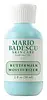
This smoothing moisturizer is formulated around Allantoin and Chamomilla Recutita Flower Extract to refine skin texture and hydrate skin.
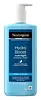
This barrier-repair night moisturizer is formulated around Butyrospermum Parkii Butter and Persea Gratissima Oil to strengthen the skin barrier and hydrate skin.

What's inside
What's inside
 Key Ingredients
Benefits
Concerns
Ingredients Side-by-side
Water
Skin ConditioningIsopropyl Myristate
Emollient





Propylene Glycol
Humectant
Paraffinum Liquidum
Emollient
Glyceryl Stearate
Emollient
Cetyl Alcohol
Emollient

Allantoin
Skin Conditioning



Chamomilla Recutita Flower Extract
Masking
Thymus Vulgaris Leaf Extract
Skin ProtectingTocopherol
Antioxidant




Lactic Acid
Buffering



Cetrimonium Bromide
Antimicrobial
Parfum
Masking

Triethanolamine
BufferingMethylparaben
Preservative

Propylparaben
Preservative
Sodium Chloride
MaskingCitronellol
Perfuming
CI 42090
Cosmetic ColorantCI 19140
Cosmetic ColorantWater, Isopropyl Myristate, Propylene Glycol, Paraffinum Liquidum, Glyceryl Stearate, Cetyl Alcohol, Allantoin, Chamomilla Recutita Flower Extract, Thymus Vulgaris Leaf Extract, Tocopherol, Lactic Acid, Cetrimonium Bromide, Parfum, Triethanolamine, Methylparaben, Propylparaben, Sodium Chloride, Citronellol, CI 42090, CI 19140
Water
Skin ConditioningButyrospermum Parkii Butter
Skin Conditioning
Butylene Glycol
Humectant
Tridecyl Stearate
Emollient
Isodecyl Salicylate
Skin Conditioning
PEG-30 Dipolyhydroxystearate
Emulsifying
Tridecyl Trimellitate
EmollientPersea Gratissima Oil
Skin Conditioning
Isocetyl Stearoyl Stearate
Emollient
Propylene Glycol
Humectant
Dipentaerythrityl Hexacaprylate/Hexacaprate
EmulsifyingSorbitan Sesquioleate
Emulsifying
Magnesium Sulfate
Phenoxyethanol
Preservative
Hydrogenated Castor Oil
Emollient
Sodium PCA
Humectant
Ozokerite
Emulsion StabilisingMethylparaben
Preservative
Tocopheryl Acetate
Antioxidant
Isopropyl Palmitate
Emollient
Disodium EDTA
ChelatingCopper PCA
HumectantButylparaben
Masking
Ethylparaben
Preservative
Propylparaben
Preservative
Helianthus Annuus Seed Oil
Emollient
CI 75130
Cosmetic ColorantTocopherol
Antioxidant
Citric Acid
Buffering
Water, Butyrospermum Parkii Butter, Butylene Glycol, Tridecyl Stearate, Isodecyl Salicylate, PEG-30 Dipolyhydroxystearate, Tridecyl Trimellitate, Persea Gratissima Oil, Isocetyl Stearoyl Stearate, Propylene Glycol, Dipentaerythrityl Hexacaprylate/Hexacaprate, Sorbitan Sesquioleate, Magnesium Sulfate, Phenoxyethanol, Hydrogenated Castor Oil, Sodium PCA, Ozokerite, Methylparaben, Tocopheryl Acetate, Isopropyl Palmitate, Disodium EDTA, Copper PCA, Butylparaben, Ethylparaben, Propylparaben, Helianthus Annuus Seed Oil, CI 75130, Tocopherol, Citric Acid
Alternatives
Ingredients Explained
These ingredients are found in both products.
Ingredients higher up in an ingredient list are typically present in a larger amount.
Methylparaben is a synthetic preservative and one of the most widely used in the world. It has a simple, but important job: prevent your products from going bad by stopping bacteria, yeast, and mold from growing.
Typical use levels are low, often 0.1-0.3%.
This is also one of the most heavily studied preservatives out there and major regulatory bodies have repeatedly given it the green light.
In 2023, the EU's Scientific Committee on Consumer Safety (SCCS) confirmed that this ingredient is safe up to 0.4% on its own, of up to 0.8% when mixed with other paraben esters.
Here's the science behind the noise behind parabens/hormones as well:
Methylparaben shows very weak estrogen-like activity in vitro tests (more than 1,000x weaker than your body's own estradiol). In vivo (live-organism) studies don't support a meaningful endocrine-disrupting effect either.
You get a stronger estrogenic effect from eating tofu, actually.
It's also a low sensitizer and allergic reactions are uncommon; they usually happen on damage or broken skin.
There is a caveat: France has proposed to formally re-examine its endocrine classification in 2025 so the regulatory conversation isn't fully closed as of yet.
But as it stands today, this ingredient is considered safe at permitted levels.
Learn more about MethylparabenPropylene Glycol is a synthetic, colorless, odorless liquid that has been a staple in cosmetics for decades. It is a skin conditioning agent, humectant, and solvent.
As a humectant, it draw water to the skin to reduce flaking and restore suppleness. It's also a solvent that helps dissolve other actives and keeps formulas stable across temperature changes.
The CIR Expert Panel has confirmed this ingredient to be nontoxic and clinical studies show no sensitization at cosmetic use concentrations.
True allergic reactions are quite rare: a 15-year retrospective study of 6,751 patients found only 0.31% had a positive reaction (and less than half were considered clinically relevant).
It seemed that when sensitization does occur, it's most commonly linked to topical medication (like corticosteroids) and not cosmetics. Allergic contact dermatitis also appears largely limited to individuals with underlying skin conditions.
Overall, propylene glycol is a well-studied ingredient that most people can tolerate without issue.
Learn more about Propylene GlycolPropylparaben is a preservative and one of the most widely used members of the paraben family (it's been used in cosmetics for over a century now).
It works by disrupting microbial cell membranes and enzymes, and is a broad-spectrum protector that works exceptionally well against molds, yeasts, and gram-positive bacteria.
You'll likely see it paired with methylparaben to cover the full range (including gram-negative bacteria).
This ingredient is effective at low concentrations (~0.2-0.5%) and stable across a wide pH range (4.5-7.5 pH). It's effectiveness drops off above pH 8 and it can lose potency when combined with non-ionic surfactants like polysorbate 80 due to micellization.
The regulatory bodies have concluded this ingredient to be safe as used in cosmetics. The EU has capped it at 0.14% and combined parabens are not to exceed 0.8%.
While parabens do cross the stratum corneum, only about 1% remains for absorption into the body. This is because most of it is metabolized within living skin.
Learn more about PropylparabenTocopherol is a fat-soluble antioxidant known as Vitamin E.
You'll find this ingredient in the vast majority of skincare (for good reason). It works to neutralize free radicals, or unstable molecules generated by UV exposure, pollution, and other environmental stressors, before they can cause oxidative damage to your skin cells.
Topically applied tocopherol has been shown to protect against UV damage by ramping up the skin's own natural defense enzymes.
It also acts as a skin conditioning agent; some studies show that regular topical use can improve the skin's water-binding capacity over 2-4 weeks.
This ingredient is especially loved for being a team player. When combined with Vitamin C, the photoprotective effect of both ingredients roughly doubles and the combo also helps reduce UV-induced DNA damage.
This ingredient has some brightening potential but it's more of a prevention ingredient than spot-fader. Cell studies show it can slow down melanin production but it's worth noting that it's not the most powerful brightener out there.
In formulations, it also serves as a stabilizer that helps protect other oxidation-prone ingredients from degrading.
Concentrations usually range from 0.1-1% in most leave-on products.
Learn more about TocopherolWater. It's the most common cosmetic ingredient of all. You'll usually see it at the top of ingredient lists, meaning that it makes up the largest part of the product.
So why is it so popular? Water most often acts as a solvent - this means that it helps dissolve other ingredients into the formulation.
You'll also recognize water as that liquid we all need to stay alive. If you see this, drink a glass of water. Remember to stay hydrated!
Learn more about Water

