
What's inside
What's inside
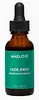 Key Ingredients
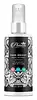
Benefits
Concerns
Ingredients Side-by-side
Water
Skin ConditioningButylene Glycol
Humectant

Polysorbate 20
Emulsifying
Glycerin
Humectant
Alpha-Arbutin
Antioxidant



Kojic Acid
Antioxidant
Moringa Oleifera Seed Oil
Emollient

Glycyrrhiza Glabra Root Extract
Bleaching
Sodium Hyaluronate
Humectant

Cucumis Sativus Fruit Extract
Emollient
Curcuma Longa Leaf Extract
Skin ConditioningRosmarinus Officinalis Leaf Extract
AntimicrobialHamamelis Virginiana Water
Astringent


Aloe Barbadensis Leaf Juice Powder
Skin Conditioning
Helianthus Annuus Seed Oil
Emollient
Coccinia Indica Fruit Extract
Skin ConditioningSolanum Melongena Fruit Extract
Skin ConditioningAmber Powder
Thymus Vulgaris Flower/Leaf Oil
Masking
Ocimum Sanctum Leaf Extract
Skin ConditioningMelia Azadirachta Leaf Extract
Skin ConditioningMelia Azadirachta Flower Extract
Skin ConditioningCorallina Officinalis Extract
Skin Conditioning
Glutathione
Polyacrylate Crosspolymer-6
Emulsion Stabilising1,2-Hexanediol
Skin Conditioning
Caprylyl Glycol
Emollient
Sodium Gluconate
Skin ConditioningSclerotium Gum
Emulsion StabilisingEthylhexylglycerin
Skin ConditioningTropolone
Skin ConditioningCitric Acid
Buffering
Sodium Hydroxide
BufferingAlcohol
Antimicrobial

Phenoxyethanol
Preservative
Water, Butylene Glycol, Polysorbate 20, Glycerin, Alpha-Arbutin, Kojic Acid, Moringa Oleifera Seed Oil, Glycyrrhiza Glabra Root Extract, Sodium Hyaluronate, Cucumis Sativus Fruit Extract, Curcuma Longa Leaf Extract, Rosmarinus Officinalis Leaf Extract, Hamamelis Virginiana Water, Aloe Barbadensis Leaf Juice Powder, Helianthus Annuus Seed Oil, Coccinia Indica Fruit Extract, Solanum Melongena Fruit Extract, Amber Powder, Thymus Vulgaris Flower/Leaf Oil, Ocimum Sanctum Leaf Extract, Melia Azadirachta Leaf Extract, Melia Azadirachta Flower Extract, Corallina Officinalis Extract, Glutathione, Polyacrylate Crosspolymer-6, 1,2-Hexanediol, Caprylyl Glycol, Sodium Gluconate, Sclerotium Gum, Ethylhexylglycerin, Tropolone, Citric Acid, Sodium Hydroxide, Alcohol, Phenoxyethanol
Water
Skin ConditioningSqualane
Emollient
Sd Alcohol 40-B
Astringent
Alpha-Arbutin
Antioxidant
Propylene Glycol
Humectant
Kojic Acid
Antioxidant
Glutathione
Azelaic Acid
Buffering




Ethoxydiglycol
HumectantGlycerin
Humectant
Cetyl Alcohol
Emollient
Dimethyl Isosorbide
SolventNiacinamide
Smoothing
Resveratrol
Antioxidant
Butylene Glycol
Humectant
Dipotassium Glycyrrhizate
Humectant
Glyceryl Stearate
Emollient
Caprylic/Capric Triglyceride
Masking
Hydroxypinacolone Retinoate
Skin Conditioning
Ammonium Acryloyldimethyltaurate/Vp Copolymer
Phenoxyethanol
Preservative
Ethylhexylglycerin
Skin ConditioningWater, Squalane, Sd Alcohol 40-B, Alpha-Arbutin, Propylene Glycol, Kojic Acid, Glutathione, Azelaic Acid, Ethoxydiglycol, Glycerin, Cetyl Alcohol, Dimethyl Isosorbide, Niacinamide, Resveratrol, Butylene Glycol, Dipotassium Glycyrrhizate, Glyceryl Stearate, Caprylic/Capric Triglyceride, Hydroxypinacolone Retinoate, Ammonium Acryloyldimethyltaurate/Vp Copolymer, Phenoxyethanol, Ethylhexylglycerin
Reviews
Ingredients Explained
These ingredients are found in both products.
Ingredients higher up in an ingredient list are typically present in a larger amount.
Alpha-Arbutin is made from hydroquinone and glucose. It may also be derived from the fermentation of soybeans.
This ingredient an antioxidant, meaning it helps protect your skin cells against damage.
Studies show this ingredient helps improve hyperpigmentation and fade discoloration.
Alpha-Arbutin may be used with other ingredients that help with hyperpigmentation. These ingredients include retinol, Vitamin C, niacinamide, and tranexamic acid.
Learn more about Alpha-ArbutinButylene Glycol (or BG) is used within cosmetic products for a few different reasons:
Overall, Butylene Glycol is a safe and well-rounded ingredient that works well with other ingredients.
Though this ingredient works well with most skin types, some people with sensitive skin may experience a reaction such as allergic rashes, closed comedones, or itchiness.
Learn more about Butylene GlycolEthylhexylglycerin is created from glycerin. It is a multitasker ingredient that:
The CIR Expert Panel found minimal skin absorption or sensitization of any kind in a safety assessment. Though this ingredient is considered well-tolerated, a small number of cases of allergic dermatitis have been published since 2002. Just be sure to patch test if you are unsure.
Industry-reported use ranges from 8% in rinse-off products and 2% in leave-on formulations.
Learn more about EthylhexylglycerinGlutathione is an antioxidant naturally found in our bodies. It is made up of three amino acids: glycine, cysteine, and glutamic acid.
As an antioxidant, it prevents oxidative damage to parts of our cell.
While glutathione is said to help with fading dark spots, the results from research are inconclusive. Further studies are needed. With that said, gluthatione has been shown to protect our skin from UV-B induced damage.
This ingredient is naturally occurring in plants, animals, fungi, and some bacteria.
Learn more about GlutathioneGlycerin (or glycerol) is a compound naturally found in your skin. It's a powerhouse humectant that pulls water into the stratum corneum.
Topically, glycerin does several things at once:
Your skin makes glycerin on its own (mostly from sebaceous oil breakdown) and shuttles it to your outermost layer of skin, or your epidermis, via aquaporin-3.
Aquaporin-3 is a transporter that is essential for normal skin hydration, elasticity, and repair. Interestingly, mice lacking in AQP3 have dry and less elastic skin that can be fully corrected with glycerin.
This ingredient is non-irritating, plays well with almost every ingredient, and works across all skin types. Typical use is anywhere between 3-10% but can go up to 79% in some leave-on products.
Just know very high concentrations (>40%) can feel tacky in low humidity.
Glycerin is the name for this ingredient in American English. British English uses Glycerol/Glycerine.
Learn more about GlycerinKojic Acid is a naturally occurring organic acid that is produced during the fermentation of certain fungi. It is one of the most well-studied brightening ingredients (tyrosinase inhibitors) out there.
That's why you'll see Kojic Acid in products that target dark spots, hyperpigmentation, and general uneven skin tone. It also pairs well with other brightening actives like Alpha Arbutin, Glycolic Acid, and Vitamin C derivatives.
By latching onto the copper that the enzyme tyrosinase needs to function, Kojic Acid prevents less pigment from being made. It's so well-established that researchers regularly use it as the go-to benchmark when testing new brightening ingredients.
Some other perks include documented antioxidant and antimicrobial properties. The The CIR (Cosmetic Ingredient Review) Expert Panel concluded Kojic Acid is safe for use in cosmetic products at concentrations up to 1% and the EU's SCCS (Scientific Committee on Consumer Safety) considers it safe as a skin lightening agent at concentrations up to 0.7%.
One thing to know about Kojic Acid is that stability is its weak spot; it is sensitive to light, heat, and air exposure and will oxidize/turn brown in formulations. Its derivative, Kojic Dipalmitate, was developed as a stable alternative.
Some individuals have reported contact sensitization so be sure to patch test if you have reactive or sensitive skin.
Fun fact: It was first discovered in 1907 and naturally occurs in the production of sake, soy sauce, and miso.
Learn more about Kojic AcidPhenoxyethanol is a preservative that has germicide, antimicrobial, and aromatic properties. Studies show that phenoxyethanol can prevent microbial growth. By itself, it has a scent that is similar to that of a rose.
It's often used in formulations along with Caprylyl Glycol to preserve the shelf life of products.
Water. It's the most common cosmetic ingredient of all. You'll usually see it at the top of ingredient lists, meaning that it makes up the largest part of the product.
So why is it so popular? Water most often acts as a solvent - this means that it helps dissolve other ingredients into the formulation.
You'll also recognize water as that liquid we all need to stay alive. If you see this, drink a glass of water. Remember to stay hydrated!
Learn more about Water
