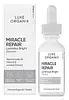
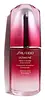
Luxe Organix Miracle Repair Luminous Bright Serum Versus Shiseido Ultimune Power Infusing Serum Concentrate
This brightening serum is formulated around Niacinamide and Polyglutamic Acid to brighten dull-looking skin and fade the look of dark spots.
This barrier-repair serum is formulated around Trehalose to strengthen the skin barrier and soften the look of wrinkles.


What's inside
What's inside
 Key Ingredients
Benefits
Concerns
Ingredients Side-by-side
Water
Skin ConditioningNiacinamide
Smoothing











Glycerin
Humectant
Dimethicone
Emollient
Cyclopentasiloxane
Emollient
Dipropylene Glycol
HumectantPEG/PPG-17/6 Copolymer
SolventButylene Glycol
Humectant
Caprylyl Glycol
Emollient
PEG-Crosspolymer
Hydroxyacetophenone
Antioxidant
Pentylene Glycol
Skin Conditioning
PEG-60 Hydrogenated Castor Oil
Emulsifying


Parfum
Masking



Isohexadecane
EmollientTrehalose
Humectant
Sodium Polyacrylate
Absorbent
Xanthan Gum
EmulsifyingDimethiconol
Emollient
Disodium EDTA
ChelatingSorbitan Oleate
Emulsifying
1,2-Hexanediol
Skin Conditioning
Polyglutamic Acid
Skin Conditioning
Glycyrrhiza Glabra Root Extract
Bleaching
Laurus Nobilis Leaf Extract
MaskingPhenoxyethanol
Preservative
Citronellol
Perfuming
Limonene
Perfuming
Linalool
Perfuming
Water, Niacinamide, Glycerin, Dimethicone, Cyclopentasiloxane, Dipropylene Glycol, PEG/PPG-17/6 Copolymer, Butylene Glycol, Caprylyl Glycol, PEG-Crosspolymer, Hydroxyacetophenone, Pentylene Glycol, PEG-60 Hydrogenated Castor Oil, Parfum, Isohexadecane, Trehalose, Sodium Polyacrylate, Xanthan Gum, Dimethiconol, Disodium EDTA, Sorbitan Oleate, 1,2-Hexanediol, Polyglutamic Acid, Glycyrrhiza Glabra Root Extract, Laurus Nobilis Leaf Extract, Phenoxyethanol, Citronellol, Limonene, Linalool
Water
Skin ConditioningAlcohol Denat.
Antimicrobial

Glycerin
Humectant
Butylene Glycol
Humectant
PEG/PPG-17/4 Dimethyl Ether
Skin ConditioningTriethylhexanoin
MaskingCyclohexasiloxane
Emollient
Dimethicone
Emollient
Phenoxyethanol
Preservative
Trehalose
Humectant
Ammonium Acryloyldimethyltaurate/Beheneth-25 Methacrylate Crosspolymer
Emulsion StabilisingPEG-14m
Emulsion StabilisingAcrylates/C10-30 Alkyl Acrylate Crosspolymer
Emulsion StabilisingTocopheryl Acetate
Antioxidant
PEG/PPG-14/7 Dimethyl Ether
Skin ConditioningRosa Damascena Flower Water
Masking
Parfum
Masking
Disodium EDTA
ChelatingPotassium Hydroxide
BufferingSilica
Abrasive
Isoceteth-10
EmulsifyingLinalool
Perfuming
Lauryl Betaine
CleansingGinkgo Biloba Leaf Extract
Skin Conditioning
Geraniol
Perfuming
Citronellol
Perfuming
Origanum Majorana Leaf Extract
AntiseborrhoeicNelumbo Nucifera Germ Extract
Skin ConditioningAlcohol
Antimicrobial
Sodium Carboxymethyl Beta-Glucan
CleansingBHT
Antioxidant
Thymus Serpyllum Extract
Skin ConditioningPerilla Ocymoides Leaf Extract
TonicSodium Bicarbonate
Abrasive
Iris Florentina Root Extract
MaskingSodium Benzoate
Masking
Ganoderma Lucidum Stem Extract
Skin ConditioningWater, Alcohol Denat., Glycerin, Butylene Glycol, PEG/PPG-17/4 Dimethyl Ether, Triethylhexanoin, Cyclohexasiloxane, Dimethicone, Phenoxyethanol, Trehalose, Ammonium Acryloyldimethyltaurate/Beheneth-25 Methacrylate Crosspolymer, PEG-14m, Acrylates/C10-30 Alkyl Acrylate Crosspolymer, Tocopheryl Acetate, PEG/PPG-14/7 Dimethyl Ether, Rosa Damascena Flower Water, Parfum, Disodium EDTA, Potassium Hydroxide, Silica, Isoceteth-10, Linalool, Lauryl Betaine, Ginkgo Biloba Leaf Extract, Geraniol, Citronellol, Origanum Majorana Leaf Extract, Nelumbo Nucifera Germ Extract, Alcohol, Sodium Carboxymethyl Beta-Glucan, BHT, Thymus Serpyllum Extract, Perilla Ocymoides Leaf Extract, Sodium Bicarbonate, Iris Florentina Root Extract, Sodium Benzoate, Ganoderma Lucidum Stem Extract
Reviews
Ingredients Explained
These ingredients are found in both products.
Ingredients higher up in an ingredient list are typically present in a larger amount.
Butylene Glycol (or BG) is used within cosmetic products for a few different reasons:
Overall, Butylene Glycol is a safe and well-rounded ingredient that works well with other ingredients.
Though this ingredient works well with most skin types, some people with sensitive skin may experience a reaction such as allergic rashes, closed comedones, or itchiness.
Learn more about Butylene GlycolCitronellol is used to add fragrance/parfum to a product. It is often derived from plants such as roses. In fact, it can be found in many essential oils including geranium, lavender, neroli, and more. The scent of Citronellol is often described as "fresh, grassy, and citrus-like".
Since the Citronellol molecule is already unstable, Citronellol becomes irritating on the skin when exposed to air.
Citronellol is a modified terpene. Terpenes are unsaturated hydrocarbons found in plants. They make up the primary part of essential oils.
Citronellol is not able to be absorbed into deeper layers of the skin. It has low permeability,
Citronellol is also a natural insect repellent.
Learn more about CitronellolDimethicone is a type of synthetic silicone created from natural materials such as quartz. It is also known as polydimethylsiloxane.
What it does:
Dimethicone comes in different viscosities:
Depending on the viscosity, dimethicone has different properties.
Ingredients lists don't always show which type is used, so we recommend reaching out to the brand if you have questions about the viscosity.
This ingredient is unlikely to cause irritation because it does not get absorbed into skin. However, people with silicone allergies should be careful about using this ingredient.
Note: Dimethicone may contribute to pilling. This is because it is not oil or water soluble, so pilling may occur when layered with products. When mixed with heavy oils in a formula, the outcome is also quite greasy.
Learn more about DimethiconeDisodium EDTA is a chelating agent. It grabs onto and deactivates metal ions that sneak into your products from water, packaging, or air.
This ingredient mainly works behind the scenes and helps with:
On top of that, this ingredient can counteract the effects of hard water by binding to the minerals in it.
One thing worth knowing is that Disodium EDTA has been shown to be a mild penetration enhancer. It can help other ingredients absorb into skin more effectively which can be a double-edged sword (great for actives, but can also make the active too strong if you have sensitive skin).
Clinical patch testing showed no significant skin irritation at typical use concentrations and minimal dermal absorption.
You'll most likely see this ingredient near the end of an ingredient list. It's typically found in concentrations less than 1%.
Learn more about Disodium EDTAGlycerin (or glycerol) is a compound naturally found in your skin. It's a powerhouse humectant that pulls water into the stratum corneum.
Topically, glycerin does several things at once:
Your skin makes glycerin on its own (mostly from sebaceous oil breakdown) and shuttles it to your outermost layer of skin, or your epidermis, via aquaporin-3.
Aquaporin-3 is a transporter that is essential for normal skin hydration, elasticity, and repair. Interestingly, mice lacking in AQP3 have dry and less elastic skin that can be fully corrected with glycerin.
This ingredient is non-irritating, plays well with almost every ingredient, and works across all skin types. Typical use is anywhere between 3-10% but can go up to 79% in some leave-on products.
Just know very high concentrations (>40%) can feel tacky in low humidity.
Glycerin is the name for this ingredient in American English. British English uses Glycerol/Glycerine.
Learn more about GlycerinLinalool is a small, naturally occurring scent molecule found in plants like lavender, coriander, bergamot, and more.
It is one of the two most-used fragrance ingredients in cosmetics and added purely for smell. Since it's not used for a skin benefit, there's no "effective dose". Concentration depends on the fragrance load of the product.
The EU requires it to be named on the label above 0.001% in leave-on and 0.01% in rinse-off products.
Fresh linalool is a weak sensitizer but air exposure turns some of it into hydroperoxides, which are strong sensitizers. Those oxidation products are the actual allergy concern.
Patch-test clinics see positive reactions to linalool hydroperoxides in about 4% to 12% of dermatitis patients depending on country and test concentration.
Resassuringly, one analytical study found hydroperoxide levels in real fragranced products to be orders of magnitude below what induced sensitization in animal studies with no evidence of oxidation building up during normal storage.
The practical takeaway is that linalool is fine for most people but worth avoiding if you have a confirmed fragrance contact allergy or a badly compromised barrier.
Products stored a long time after opening are also the high-risk scenario since that is when oxidation happens.
The scent of linalool is described as floral, spicy tropical, and citrus-like.
Learn more about LinaloolParfum is a catch-all term for an ingredient or more that is used to give a scent to products.
Also called "fragrance", this ingredient can be a blend of hundreds of chemicals or plant oils. This means every product with "fragrance" or "parfum" in the ingredients list is a different mixture.
For instance, Habanolide is a proprietary trade name for a specific aroma chemical. When used as a fragrance ingredient in cosmetics, most aroma chemicals fall under the broad labeling category of “FRAGRANCE” or “PARFUM” according to EU and US regulations.
The term 'parfum' or 'fragrance' is not regulated in many countries. In many cases, it is up to the brand to define this term.
For instance, many brands choose to label themselves as "fragrance-free" because they are not using synthetic fragrances. However, their products may still contain ingredients such as essential oils that are considered a fragrance by INCI standards.
One example is Calendula flower extract. Calendula is an essential oil that still imparts a scent or 'fragrance'.
Depending on the blend, the ingredients in the mixture can cause allergies and sensitivities on the skin. Some ingredients that are known EU allergens include linalool and citronellol.
Parfum can also be used to mask or cover an unpleasant scent.
The bottom line is: not all fragrances/parfum/ingredients are created equally. If you are worried about fragrances, we recommend taking a closer look at an ingredient. And of course, we always recommend speaking with a professional.
Learn more about ParfumPhenoxyethanol is one of the most widely used preservatives in skincare (and for good reason!).
It has a large spectrum of antimicrobial activity and especially effective bacteria, yeast, and mold while only having a weak effect on your skin's natural microbiome.
On a cellular level, it disrupts the cell membranes of microbes by poking holes that make the cell leak. This shuts down the chemical reactions the microbe needs to make energy so it can no longer survive.
Another perk of this ingredient is that it stays functional across a wide pH range (3-10).
You'll often see it paired with boosters like Ethylhexylglycerin; one study showed that a 1:9 ratio of Ethylhexylglycerin to Phenoxyethanol damages bacterial membranes as effectively as doubling the Phenoxyethanol concentration on its own.
Typical use concentrations range from 0.3-1% depending on the formula, and this ingredient is capped at 1% int the EU.
Safety-wise, the fear mongering does not hold up to the evidence. The EU's Scientific Committee on Consumer Safety and FDA consider it safe as a preservative at up to 1%, including for children of all ages.
Adverse systemic effects only showed up in animal studies at exposures roughly 200x higher than what people get from cosmetics. And despite its very widespread use, this ingredient is a rare sensitizer and allergic reactions are uncommon.
Learn more about PhenoxyethanolTrehalose is a disaccharide made of two glucose molecules (glucose is sugar!). Trehalose is used to help moisturize skin. It also has antioxidant properties.
As a humectant, trehalose helps draw moisture from the air to your skin. This helps keep your skin hydrated.
Due to its antioxidant properties, trehalose may help with signs of aging. Antioxidants help fight free-radical molecules, unstable molecules that may damage your skin.
In medicine, trehalose and hyaluronic acid are used to help treat dry eyes.
Some animals, plants, and bacteria create trehalose as a source of energy to survive freeze or lack of water.
Learn more about TrehaloseWater. It's the most common cosmetic ingredient of all. You'll usually see it at the top of ingredient lists, meaning that it makes up the largest part of the product.
So why is it so popular? Water most often acts as a solvent - this means that it helps dissolve other ingredients into the formulation.
You'll also recognize water as that liquid we all need to stay alive. If you see this, drink a glass of water. Remember to stay hydrated!
Learn more about Water

