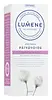
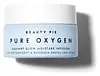
Lumene Klassikko Hoitava Päivävoide - Kuivalle Iholle Versus Beauty Pie Pure Oxygen Radiant Glow Moisture Infusion
This barrier-repair moisturizer is formulated around Butyrospermum Parkii Butter to strengthen the skin barrier and hydrate skin.
This brightening moisturizer is formulated around Caprylic/Capric Triglyceride and Hydrolyzed Soy Protein to brighten dull-looking skin and hydrate skin.


What's inside
What's inside
 Key Ingredients
Benefits
Concerns
Ingredients Side-by-side
Water
Skin ConditioningOctyldodecyl Myristate
EmollientBetaine
Humectant


Glycerin
Humectant
Propanediol
Solvent
Arachidyl Alcohol
Emollient
Butyrospermum Parkii Butter
Skin Conditioning




Prunus Amygdalus Dulcis Oil
Skin Conditioning
Hydrogenated Palm Kernel Glycerides
EmollientCetearyl Alcohol
Emollient
Behenyl Alcohol
Emollient
Eriophorum Spissum Flower/Stem Extract
Skin ConditioningPhenoxyethanol
Preservative
Arachidyl Glucoside
EmulsifyingDimethicone
Emollient
Cetearyl Glucoside
Emulsifying
Sodium Polyacrylate
Absorbent
Hydrogenated Palm Glycerides
Emollient
Ethylhexylglycerin
Skin ConditioningAllantoin
Skin Conditioning
PEG-8
HumectantTocopherol
Antioxidant




Potassium Sorbate
Preservative
Ascorbyl Palmitate
Antioxidant
Sorbic Acid
Preservative
Ascorbic Acid
Antioxidant
Citric Acid
Buffering
Benzyl Salicylate
Perfuming



Citronellol
Perfuming
Limonene
Perfuming
Parfum
Masking
Water, Octyldodecyl Myristate, Betaine, Glycerin, Propanediol, Arachidyl Alcohol, Butyrospermum Parkii Butter, Prunus Amygdalus Dulcis Oil, Hydrogenated Palm Kernel Glycerides, Cetearyl Alcohol, Behenyl Alcohol, Eriophorum Spissum Flower/Stem Extract, Phenoxyethanol, Arachidyl Glucoside, Dimethicone, Cetearyl Glucoside, Sodium Polyacrylate, Hydrogenated Palm Glycerides, Ethylhexylglycerin, Allantoin, PEG-8, Tocopherol, Potassium Sorbate, Ascorbyl Palmitate, Sorbic Acid, Ascorbic Acid, Citric Acid, Benzyl Salicylate, Citronellol, Limonene, Parfum
Water
Skin ConditioningCaprylic/Capric Triglyceride
Masking
Dicaprylyl Carbonate
EmollientPropanediol
Solvent
Hydrolyzed Soy Protein
Humectant
Ascorbyl Methylsilanol Pectinate
Antioxidant
Glyceryl Stearate Citrate
Emollient
Diheptyl Succinate
EmollientGlycerin
Humectant
Cetearyl Alcohol
Emollient
Capryloyl Glycerin/Sebacic Acid Copolymer
Skin ConditioningHydrogenated Palm Kernel Glycerides
EmollientPhenoxyethanol
Preservative
Methylpropanediol
SolventCarbomer
Emulsion StabilisingPotassium Cetyl Phosphate
EmulsifyingCetearyl Glucoside
Emulsifying
Parfum
Masking
Hydrogen Peroxide
AntimicrobialSodium Hydroxide
BufferingO-Cymen-5-Ol
Antimicrobial
Prunus Amygdalus Dulcis Oil
Skin Conditioning
Hydrogenated Palm Glycerides
Emollient
Buddleja Davidii Leaf Extract
Skin ConditioningThymus Vulgaris Flower/Leaf Extract
MaskingTetrasodium Glutamate Diacetate
Benzyl Salicylate
Perfuming
Tropolone
Skin ConditioningHexyl Cinnamal
Perfuming
Limonene
Perfuming
Hydroxycitronellal
Perfuming
Sorbic Acid
Preservative
Alpha-Isomethyl Ionone
Perfuming
Citronellol
Perfuming
Butylphenyl Methylpropional
Perfuming
Linalool
Perfuming
Water, Caprylic/Capric Triglyceride, Dicaprylyl Carbonate, Propanediol, Hydrolyzed Soy Protein, Ascorbyl Methylsilanol Pectinate, Glyceryl Stearate Citrate, Diheptyl Succinate, Glycerin, Cetearyl Alcohol, Capryloyl Glycerin/Sebacic Acid Copolymer, Hydrogenated Palm Kernel Glycerides, Phenoxyethanol, Methylpropanediol, Carbomer, Potassium Cetyl Phosphate, Cetearyl Glucoside, Parfum, Hydrogen Peroxide, Sodium Hydroxide, O-Cymen-5-Ol, Prunus Amygdalus Dulcis Oil, Hydrogenated Palm Glycerides, Buddleja Davidii Leaf Extract, Thymus Vulgaris Flower/Leaf Extract, Tetrasodium Glutamate Diacetate, Benzyl Salicylate, Tropolone, Hexyl Cinnamal, Limonene, Hydroxycitronellal, Sorbic Acid, Alpha-Isomethyl Ionone, Citronellol, Butylphenyl Methylpropional, Linalool
Ingredients Explained
These ingredients are found in both products.
Ingredients higher up in an ingredient list are typically present in a larger amount.
Benzyl Salicylate is a solvent and fragrance additive. It is an ester of benzyl alcohol and salicylic acid. This ingredient can be naturally found in some plants and plant extracts.
In fragrances, Benzyl Salicylate may be a solvent or a fragrance component. In synthetic musk scents, it is used as a solvent. For floral fragrances such as lilac and jasmine, it is used as a fragrance component. The natural scent of Benzyl Salicylate is described as "lightly-sweet, slightly balsamic".
While Benzyl Salicylate has been associated with contact dermatitis and allergies, emerging studies show it may not be caused by this ingredient alone.
However, this ingredient is often used with fragrances and other components that may cause allergies. It is still listed as a known allergen in the EU. We recommend speaking with a professional if you have concerns.
Another study from 2021 shows Benzyl Salicylate may have anti-inflammatory properties.
Learn more about Benzyl SalicylateCetearyl alcohol is a waxy mixture of two fatty alcohols: cetyl alcohol and stearyl alcohol. It is an emollient and emulsifier.
Despite having "alcohol" in its name, it has nothing to do with drying solvent alcohols; the FDA also allows "alcohol-free" products to contain fatty alcohols like this ingredient.
It plays several roles in a formula:
Typical use levels for this ingredient sit around 1-10% and the Cosmetic Ingredient Review Expert Panel has affirmed safety at concentrations up to 25% in leave-on products.
Multiple assessments have found it to be non-irritating and non-sensitizing to most people.
However, there have been some cases of allergic contact dermatitis in patients with chronically compromised skin barriers.
Cetearyl alcohol has a comedogenic rating of 2 and irritancy rating of 1. Both of these numbers come from the 1989 study that used rabbit ears; a "2" means mildly comedogenic and a "1" means low irritancy.
Here's the catch: rabbit skin is more sensitive than human skin and throws a lot of false positives. A 1996 reappraisal found that ingredients rated 1-2 in the rabbit ear tests are generally safe for humans.
Remember comedogenic ratings are unable to assess the entire formula of a product or how it will react on your skin. Just be sure to patch test if you are unsure about certain ingredients.
This ingredient is not fungal acne safe. Cetearyl alcohol is a fatty alcohol with chain lengths that fall within the range that Malassezia can metabolize.
A 2019 study has also observed Malassezia growth in the presence of this ingredient, confirming it to be not-fungal acne safe.
Learn more about Cetearyl AlcoholCetearyl Glucoside is a sugar-based emulsifier. It is usually made by combining cetearyl alcohol and glucose.
Belonging to the aklyl polyglucoside (APG) family, Cetearyl Glucoside has a sugar "head" that loves water and a fatty "tail" that loves oil. This means it can shuffle oil and water into a stable and smooth emulsion.
Typical use levels are between 1-5% and this ingredient is considered to be non-irritating by the CIR Expert Panel Review.
Once applied, your skin's glucoside hydrolases breaks it down to the parent fatty alcohol and glucose. This is why this ingredient may not be fungal acne safe.
Learn more about Cetearyl GlucosideCitronellol is used to add fragrance/parfum to a product. It is often derived from plants such as roses. In fact, it can be found in many essential oils including geranium, lavender, neroli, and more. The scent of Citronellol is often described as "fresh, grassy, and citrus-like".
Since the Citronellol molecule is already unstable, Citronellol becomes irritating on the skin when exposed to air.
Citronellol is a modified terpene. Terpenes are unsaturated hydrocarbons found in plants. They make up the primary part of essential oils.
Citronellol is not able to be absorbed into deeper layers of the skin. It has low permeability,
Citronellol is also a natural insect repellent.
Learn more about CitronellolGlycerin (or glycerol) is a compound naturally found in your skin. It's a powerhouse humectant that pulls water into the stratum corneum.
Topically, glycerin does several things at once:
Your skin makes glycerin on its own (mostly from sebaceous oil breakdown) and shuttles it to your outermost layer of skin, or your epidermis, via aquaporin-3.
Aquaporin-3 is a transporter that is essential for normal skin hydration, elasticity, and repair. Interestingly, mice lacking in AQP3 have dry and less elastic skin that can be fully corrected with glycerin.
This ingredient is non-irritating, plays well with almost every ingredient, and works across all skin types. Typical use is anywhere between 3-10% but can go up to 79% in some leave-on products.
Just know very high concentrations (>40%) can feel tacky in low humidity.
Glycerin is the name for this ingredient in American English. British English uses Glycerol/Glycerine.
Learn more about GlycerinThis ingredient is a semi-solid mixture derived from palm oil triglycerides. It has emollient, emulsifying, and skin conditioning properties.
Due to the rich fatty acid content, this ingredient may not be Malassezia folliculitis safe.
We don't have a description for Hydrogenated Palm Kernel Glycerides yet.
Limonene is a fragrance that adds scent and taste to a formulation.
It's found in the peel oil of citrus fruits and other plants such as lavender and eucalyptus. The scent of limonene is generally described as "sweet citrus".
Limonene acts as an antioxidant, meaning it helps neutralize free radicals.
When exposed to air, oxidized limonene may sensitize the skin. Because of this, limonene is often avoided by people with sensitive skin.
The term 'fragrance' is not regulated in many countries. In many cases, it is up to the brand to define this term. For instance, many brands choose to label themselves as "fragrance-free" because they are not using synthetic fragrances. However, their products may still contain ingredients such as essential oils that are considered a fragrance.
Learn more about LimoneneParfum is a catch-all term for an ingredient or more that is used to give a scent to products.
Also called "fragrance", this ingredient can be a blend of hundreds of chemicals or plant oils. This means every product with "fragrance" or "parfum" in the ingredients list is a different mixture.
For instance, Habanolide is a proprietary trade name for a specific aroma chemical. When used as a fragrance ingredient in cosmetics, most aroma chemicals fall under the broad labeling category of “FRAGRANCE” or “PARFUM” according to EU and US regulations.
The term 'parfum' or 'fragrance' is not regulated in many countries. In many cases, it is up to the brand to define this term.
For instance, many brands choose to label themselves as "fragrance-free" because they are not using synthetic fragrances. However, their products may still contain ingredients such as essential oils that are considered a fragrance by INCI standards.
One example is Calendula flower extract. Calendula is an essential oil that still imparts a scent or 'fragrance'.
Depending on the blend, the ingredients in the mixture can cause allergies and sensitivities on the skin. Some ingredients that are known EU allergens include linalool and citronellol.
Parfum can also be used to mask or cover an unpleasant scent.
The bottom line is: not all fragrances/parfum/ingredients are created equally. If you are worried about fragrances, we recommend taking a closer look at an ingredient. And of course, we always recommend speaking with a professional.
Learn more about ParfumPhenoxyethanol is one of the most widely used preservatives in skincare (and for good reason!).
It has a large spectrum of antimicrobial activity and especially effective bacteria, yeast, and mold while only having a weak effect on your skin's natural microbiome.
On a cellular level, it disrupts the cell membranes of microbes by poking holes that make the cell leak. This shuts down the chemical reactions the microbe needs to make energy so it can no longer survive.
Another perk of this ingredient is that it stays functional across a wide pH range (3-10).
You'll often see it paired with boosters like Ethylhexylglycerin; one study showed that a 1:9 ratio of Ethylhexylglycerin to Phenoxyethanol damages bacterial membranes as effectively as doubling the Phenoxyethanol concentration on its own.
Typical use concentrations range from 0.3-1% depending on the formula, and this ingredient is capped at 1% int the EU.
Safety-wise, the fear mongering does not hold up to the evidence. The EU's Scientific Committee on Consumer Safety and FDA consider it safe as a preservative at up to 1%, including for children of all ages.
Adverse systemic effects only showed up in animal studies at exposures roughly 200x higher than what people get from cosmetics. And despite its very widespread use, this ingredient is a rare sensitizer and allergic reactions are uncommon.
Learn more about PhenoxyethanolPropanediol is an all-star ingredient. It softens, hydrates, and smooths the skin.
It’s often used to:
Propanediol is not likely to cause sensitivity and considered safe to use. It is derived from corn or petroleum with a clear color and no scent.
Learn more about PropanediolThis ingredient is also known as sweet almond oil. It is a lightweight, cold-pressed oil from the ripe seeds of the sweet almond tree.
Sweet almond oil is rich in skin-nourishing fatty acids such as oleic acid (55-86%) and linolenic acid (7-35%).
As an emollient, it softens and hydrates skin by forming a thin barrier that locks in moisture.
Clinical studies have found it to be non-irritating and non-sensitizing. The CIR Expert Panel has evaluated the available safety data and concluded it is safe for topical use.
Because of the oleic acid content, this ingredient may not be fungal acne safe.
Learn more about Prunus Amygdalus Dulcis OilSorbic Acid is a preservative that stops your product from spoiling by stopping microbes from growing.
As a preservative, it's kind of a specialist: it has a broad spectrum of activity against yeast and molds but is weaker against bacteria. That's why it's often paired with another preservative to cover that gap.
This ingredient is also pretty picky about pH; it performs best at pH 6.5 or below.
At the right pH level, sorbic acid is "active" and can slip through the outer wall of a microbe. Once inside, it turns the cell's interior more acidic to shut down the microbe from the inside.
The EU caps this ingredient at 0.6% while the CIR has concluded it's safe at concentrations up to 1%. It's most often used around 0.05-0.2% in cosmetics.
Though this ingredient is considered low-sensitizing and well-tolerated, a very small number of people may have a contact allergy to it. Be sure to patch test if you have a history of allergies towards preservatives.
Learn more about Sorbic AcidWater. It's the most common cosmetic ingredient of all. You'll usually see it at the top of ingredient lists, meaning that it makes up the largest part of the product.
So why is it so popular? Water most often acts as a solvent - this means that it helps dissolve other ingredients into the formulation.
You'll also recognize water as that liquid we all need to stay alive. If you see this, drink a glass of water. Remember to stay hydrated!
Learn more about Water

