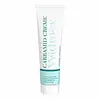
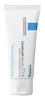
This barrier-repair moisturizer is formulated around Panthenol and Centella Asiatica Leaf Extract to strengthen the skin barrier and calm redness.


What's inside
What's inside
 Key Ingredients
Benefits
Concerns
Ingredients Side-by-side
Urea 12%
Buffering




Propylene Glycol
Humectant
BHA
Antioxidant
BHT
Antioxidant
Sorbitan Isostearate
Emulsifying
Castor Oil Hydrogenated Ethoxylated
Perfuming

Paraffinum Liquidum
Emollient

Decyl Oleate
Emollient
Dibutyl Adipate
EmollientParaffin
Skin Conditioning
Cetyl PEG/PPG-10/1 Dimethicone
Emulsifying
Petrolatum
Emollient
Ceresin
Emulsion StabilisingHydrogenated Castor Oil
Emollient
Glyceryl Isostearate
Emollient
Polyglyceryl-3 Oleate
Emulsifying
Isopropyl Myristate
Emollient
Sorbeth-30 Tetraoleate
Emulsifying
Butylene Glycol
Humectant
Phenoxyethanol
Preservative
Magnesium Sulfate
Citric Acid
Buffering

Tocopheryl Acetate
Antioxidant
Water
Skin ConditioningUrea 12%, Propylene Glycol, BHA, BHT, Sorbitan Isostearate, Castor Oil Hydrogenated Ethoxylated, Paraffinum Liquidum, Decyl Oleate, Dibutyl Adipate, Paraffin, Cetyl PEG/PPG-10/1 Dimethicone, Petrolatum, Ceresin, Hydrogenated Castor Oil, Glyceryl Isostearate, Polyglyceryl-3 Oleate, Isopropyl Myristate, Sorbeth-30 Tetraoleate, Butylene Glycol, Phenoxyethanol, Magnesium Sulfate, Citric Acid, Tocopheryl Acetate, Water
Water
Skin ConditioningHydrogenated Polyisobutene
EmollientDimethicone
Emollient
Glycerin
Humectant
Butyrospermum Parkii Butter
Skin Conditioning
Panthenol
Skin Conditioning

Zea Mays Starch
Absorbent
Propanediol
Solvent
Butylene Glycol
Humectant
Cetyl PEG/PPG-10/1 Dimethicone
Emulsifying
Trihydroxystearin
Skin Conditioning
Centella Asiatica Leaf Extract
Skin Conditioning
Polymnia Sonchifolia Root Juice
Skin ConditioningZinc Gluconate
Skin Conditioning


Madecassoside
Antioxidant
Manganese Gluconate
Skin ConditioningAlpha-Glucan Oligosaccharide
Cleansing
Silica
Abrasive
Aluminum Hydroxide
EmollientMagnesium Sulfate
Mannose
HumectantCapryloyl Glycine
CleansingCaprylyl Glycol
Emollient
Vitreoscilla Ferment
Skin Conditioning
Citric Acid
Buffering
Trisodium Ethylenediamine Disuccinate
ChelatingLactobacillus
Skin ConditioningAcetylated Glycol Stearate
Emollient
Maltodextrin
Absorbent
Polyglyceryl-4 Isostearate
Emulsifying
Tocopherol
Antioxidant
Pentaerythrityl Tetra-Di-T-Butyl Hydroxyhydrocinnamate
Antioxidant
Titanium Dioxide
Cosmetic Colorant

Water, Hydrogenated Polyisobutene, Dimethicone, Glycerin, Butyrospermum Parkii Butter, Panthenol, Zea Mays Starch, Propanediol, Butylene Glycol, Cetyl PEG/PPG-10/1 Dimethicone, Trihydroxystearin, Centella Asiatica Leaf Extract, Polymnia Sonchifolia Root Juice, Zinc Gluconate, Madecassoside, Manganese Gluconate, Alpha-Glucan Oligosaccharide, Silica, Aluminum Hydroxide, Magnesium Sulfate, Mannose, Capryloyl Glycine, Caprylyl Glycol, Vitreoscilla Ferment, Citric Acid, Trisodium Ethylenediamine Disuccinate, Lactobacillus, Acetylated Glycol Stearate, Maltodextrin, Polyglyceryl-4 Isostearate, Tocopherol, Pentaerythrityl Tetra-Di-T-Butyl Hydroxyhydrocinnamate, Titanium Dioxide
Reviews
Ingredients Explained
These ingredients are found in both products.
Ingredients higher up in an ingredient list are typically present in a larger amount.
Butylene Glycol (or BG) is used within cosmetic products for a few different reasons:
Overall, Butylene Glycol is a safe and well-rounded ingredient that works well with other ingredients.
Though this ingredient works well with most skin types, some people with sensitive skin may experience a reaction such as allergic rashes, closed comedones, or itchiness.
Learn more about Butylene GlycolThis ingredient is a silicone-based emulsifer that helps the water and oil phases play nicely together.
It's pretty effective because one end of the molecule loves oil and the other one loves water.
Besides holding formulas together, it also leaves a silky and lightweight feel on skin without the greasiness. A manufacturer also claims it can help with the controlled release of active ingredients.
The CIR Expert Panel found this ingredient to not be sensitizing in concentrations up to 15% in human maximazation testing and dimethicone-based compounds were not comedogenic.
It has a high molecular weight well above 1,000 g/mol which means it limits meaningful skin penetration.
A 2019 study specifically tested this ingredient and found no observable Malassezia growth in its presence.
Learn more about Cetyl PEG/PPG-10/1 DimethiconeCitric Acid is an alpha hydroxy acid (AHA) naturally found in citrus fruits like oranges, lemons, and limes.
Like other AHAs, citric acid can exfoliate skin by breaking down the bonds that hold dead skin cells together. This helps reveal smoother and brighter skin underneath.
However, this exfoliating effect only happens at high concentrations (20%) which can be hard to find in cosmetic products.
Due to this, citric acid is usually included in small amounts as a pH adjuster. This helps keep products slightly more acidic and compatible with skin's natural pH.
In skincare formulas, citric acid can:
While it can provide some skin benefits, research shows lactic acid and glycolic acid are generally more effective and less irritating exfoliants.
Most citric acid used in skincare today is made by fermenting sugars (usually from molasses). This synthetic version is identical to the natural citrus form but easier to stabilize and use in formulations.
Rosacea skin has a lower threshold for acids generally, with 62.5% of rosacea subjects in one study reacting to lactic acid in a sting test. This is why we mark citric acid as a potential rosacea trigger.
However, this ingredient shows up as a pH adjuster or chelator at roughly 0.1-1% in many products. These low levels are unlikely to be an issue for rosacea skin and becomes a potential trigger at exfoliating concentrations (20%). Because everybody's skin is unique, we recommend a patch test if you are unsure.
Learn more about Citric AcidMagnesium Sulfate is a salt. More specifically, it is an epsom salt, or the bath salt used to help relieve muscle aches.
Despite having ‘sulfate’ in the name, it isn’t a surfactant or cleansing agent like sodium lauryl sulfate. Unlike those sulfates, magnesium sulfate doesn’t have the same cleansing or foaming properties (it's simply a type of salt).
In cosmetics, Magnesium Sulfate is used to thicken a product or help dilute other solids. It is a non-reactive and non-irritating ingredient.
One study shows magnesium deficiency may lead to inflammation of the skin. Applying magnesium topically may help reduce inflammation.
You can find this ingredient in sea water or mineral deposits.
Learn more about Magnesium SulfateWater. It's the most common cosmetic ingredient of all. You'll usually see it at the top of ingredient lists, meaning that it makes up the largest part of the product.
So why is it so popular? Water most often acts as a solvent - this means that it helps dissolve other ingredients into the formulation.
You'll also recognize water as that liquid we all need to stay alive. If you see this, drink a glass of water. Remember to stay hydrated!
Learn more about Water

