Le Mieux Bio Cell Rejuvenating Cream Versus Pure & Cimple SuperSupple Prebiotic Barrier+ Moisturizer
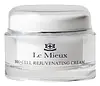
This anti-aging moisturizer is formulated around Hyaluronic Acid and Acetyl Hexapeptide-8 to soften the look of wrinkles and hydrate skin.
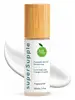
This barrier-repair moisturizer is formulated around Argania Spinosa Kernel Oil and Ceramide NP to strengthen the skin barrier and hydrate skin.


What's inside
What's inside
 Key Ingredients
Benefits
Concerns
Ingredients Side-by-side
Hyaluronic Acid
Humectant




Hydrolyzed Sodium Hyaluronate
Skin Conditioning
Sodium Hyaluronate
Humectant
Sodium Hyaluronate Crosspolymer
Humectant
Hydroxypropyltrimonium Hyaluronate
C12-13 Alkyl Glyceryl Hydrolyzed Hyaluronate
Acetyl Hexapeptide-8
Humectant
Dipalmitoyl Hydroxyproline
Skin Conditioning

Palmitoyl Pentapeptide-4
Skin Conditioning
Palmitoyl Tripeptide-5
Skin Conditioning
Ceramide EOP
Skin Conditioning
Ceramide NP
Skin Conditioning
Oryza Sativa Bran Water
Masking
Squalane
Emollient
Saccharomyces Lysate Extract
Humectant
Phospholipids
Skin Conditioning
Glyceryl Polymethacrylate
Simmondsia Chinensis Seed Oil
Emollient
Argania Spinosa Kernel Oil
Emollient

Plukenetia Volubilis Seed Oil
Emollient
Butyrospermum Parkii Butter
Skin Conditioning


Cetyl Alcohol
Emollient

Tocotrienols
Skin Conditioning
Tocopheryl Linoleate
Antioxidant
Sodium Carboxymethyl Beta-Glucan
CleansingVitis Vinifera Seed Extract
Antimicrobial
Oenothera Biennis Oil
Emollient
Rosa Canina Seed Oil
Emollient
Parfum
Masking

Caprylyl Glycol
Emollient
Ethylhexylglycerin
Skin ConditioningUndecylenoyl Glycine
CleansingCapryloyl Glycine
CleansingHyaluronic Acid, Hydrolyzed Sodium Hyaluronate, Sodium Hyaluronate, Sodium Hyaluronate Crosspolymer, Hydroxypropyltrimonium Hyaluronate, C12-13 Alkyl Glyceryl Hydrolyzed Hyaluronate, Acetyl Hexapeptide-8, Dipalmitoyl Hydroxyproline, Palmitoyl Pentapeptide-4, Palmitoyl Tripeptide-5, Ceramide EOP, Ceramide NP, Oryza Sativa Bran Water, Squalane, Saccharomyces Lysate Extract, Phospholipids, Glyceryl Polymethacrylate, Simmondsia Chinensis Seed Oil, Argania Spinosa Kernel Oil, Plukenetia Volubilis Seed Oil, Butyrospermum Parkii Butter, Cetyl Alcohol, Tocotrienols, Tocopheryl Linoleate, Sodium Carboxymethyl Beta-Glucan, Vitis Vinifera Seed Extract, Oenothera Biennis Oil, Rosa Canina Seed Oil, Parfum, Caprylyl Glycol, Ethylhexylglycerin, Undecylenoyl Glycine, Capryloyl Glycine
Water
Skin ConditioningArgania Spinosa Kernel Oil
Emollient
Camellia Oleifera Seed Oil
Skin Conditioning
Glycerin
Humectant
Propanediol
Solvent
Caprylic/Capric Triglyceride
Masking
Cetearyl Glucoside
Emulsifying
Cetearyl Alcohol
Emollient
Jojoba Esters
Emollient
Saccharide Isomerate
Humectant
Panthenol
Skin Conditioning
Polyglutamic Acid
Skin Conditioning
Ceramide NP
Skin Conditioning
Cholesterol
Emollient
Palmitoyl Tripeptide-5
Skin Conditioning
Ectoin
Skin Conditioning
Tocopherol
Antioxidant
Xanthan Gum
EmulsifyingSodium Levulinate
Skin ConditioningSodium Anisate
AntimicrobialGlyceryl Caprylate
EmollientWater, Argania Spinosa Kernel Oil, Camellia Oleifera Seed Oil, Glycerin, Propanediol, Caprylic/Capric Triglyceride, Cetearyl Glucoside, Cetearyl Alcohol, Jojoba Esters, Saccharide Isomerate, Panthenol, Polyglutamic Acid, Ceramide NP, Cholesterol, Palmitoyl Tripeptide-5, Ectoin, Tocopherol, Xanthan Gum, Sodium Levulinate, Sodium Anisate, Glyceryl Caprylate
Reviews
Ingredients Explained
These ingredients are found in both products.
Ingredients higher up in an ingredient list are typically present in a larger amount.
You may know this ingredient as argan oil. It has emollient and skin conditioning properties that help soften skin and reinforce the lipid barrier.
The fatty acid profile of argan oil is roughly 45-55% oleic acid, 28-36% linoleic acid, 10-15% palmitic acid, and 5-7% stearic acid. It also contains vitamin E, sterols, squalene, and polyphenols like ferulic acid.
Two clinical studies in postmenopausal women found that applying argan oil for 60 days significantly improved skin elasticity and moisturization (reduced transepidermal water loss and increased epidermal water content).
Since it is high in oleic and linoleic acid, this ingredient may not be fungal acne safe. Both of these fall in the C11-C24 range that Malassezia yeast can metabolize.
Learn more about Argania Spinosa Kernel OilCeramide NP (formerly known as Ceramide 3) is one of the skin's naturally occurring lipids.
Since ceramides are the major lipid components of the skin, they are crucial for maintaining skin barrier and hydration. Ceramide NP most closely mirrors the dominant kind in human skin amongst ceramide subtypes.
This ceramide works by slotting into gaps within the stratum corneum's lipid matrix to limit trans-epidermal water loss (TEWL) and shield the skin against external irritants.
A study with 312 patients found that using a ceramide-containing routine for 4 weeks reduced the severity of atopic dermatitis by over 61%.
Another clinical study in subjects aged 60 and older found that a ceramide body wash and moisturizer improved skin dryness and itchy skin in 15 days.
Overall, ceramides are considered non-irritating and safety tests have found little to no observable adverse effects from using this ingredient.
Ceramide NP is usually sourced from plants (like soybean or rice bran), or produced synthetically.
Learn more about Ceramide NPPalmitoyl Tripeptide-5 is a synthetic signal lipopeptide. This just means it is a three amino acid chain bolted onto a palmitic acid tail so it can slip through the skin's lipid barrier.
This peptide has a "build more, lose less" approach.
It's designed to mimic the collagen-stimulating activity in your skin by copying a snippet of one of your skin's own matrix proteins. This nudges fibroblasts into making more collagen while inhibiting the enzyme that breaks down skin protein.
The manufacturer's in vivo study of 45 volunteers found 1% and 2.5% reduced the appearance of wrinkles by 7% and 12% respectively, after using it twice daily for 84 days.
This is in the expected range for peptides; they're slow and cumulative actives and not overnight fixers.
Typical use levels range from 1-3% and this ingredient gets along with pretty much everything.
On the fungal acne front:
Although palmitic acid sits in the chain length that Malassezia can feed on, this ingredient has it locked in an amine bond. This makes it hard for Malassezia to access as a source of food, and therefore fungal acne safe.


