Laneige Water Bank Blue Hyaluronic Cream Moisturizer Versus Clinique All About Clean™ 2-in-1 Charcoal Mask + Scrub
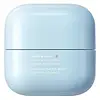
This barrier-repair moisturizer is formulated around Hydrolyzed Hyaluronic Acid and Ceramide AP to strengthen the skin barrier and hydrate skin.


What's inside
What's inside
 Key Ingredients
Benefits
Concerns
Ingredients Side-by-side
Water
Skin ConditioningGlycerin
Humectant


Butylene Glycol
Humectant
PPG-5 Caprylyl Ether
Skin ConditioningPolyglyceryl-3 Methylglucose Distearate
Emulsifying

Methyl Trimethicone
Skin Conditioning
Glyceryl Stearate
Emollient
Pentaerythrityl Tetraethylhexanoate
Emollient
Ceramide AP
Skin Conditioning



1,2-Hexanediol
Skin Conditioning
Stearyl Dimethicone
Emollient
Bis-Hydroxyethoxypropyl Dimethicone
Emollient
Cetyl Alcohol
Emollient

Lactobacillus Ferment Lysate
Skin Conditioning
Caprylic/Capric/Myristic/Stearic Triglyceride
EmollientPalmitic Acid
Emollient


Stearic Acid
Cleansing
Panthenol
Skin Conditioning
Hydroxyethyl Acrylate/Sodium Acryloyldimethyl Taurate Copolymer
Emulsion StabilisingPropanediol
Solvent
Acrylates/C10-30 Alkyl Acrylate Crosspolymer
Emulsion StabilisingXanthan Gum
EmulsifyingGlyceryl Caprylate
EmollientDextrin
AbsorbentTromethamine
BufferingEthylhexylglycerin
Skin ConditioningDisodium EDTA
Sorbitan Isostearate
Emulsifying
Allantoin
Skin Conditioning
Hydrolyzed Hyaluronic Acid
Humectant
Ceramide NP
Skin Conditioning
Parfum
Masking


Beta-Glucan
Skin Conditioning
Cholesterol
Emollient
Mannitol
Humectant
Tocopherol
Antioxidant



Acetyl Tetrapeptide-11
Skin Conditioning
Undaria Pinnatifida Extract
Skin ConditioningWater, Glycerin, Butylene Glycol, PPG-5 Caprylyl Ether, Polyglyceryl-3 Methylglucose Distearate, Methyl Trimethicone, Glyceryl Stearate, Pentaerythrityl Tetraethylhexanoate, Ceramide AP, 1,2-Hexanediol, Stearyl Dimethicone, Bis-Hydroxyethoxypropyl Dimethicone, Cetyl Alcohol, Lactobacillus Ferment Lysate, Caprylic/Capric/Myristic/Stearic Triglyceride, Palmitic Acid, Stearic Acid, Panthenol, Hydroxyethyl Acrylate/Sodium Acryloyldimethyl Taurate Copolymer, Propanediol, Acrylates/C10-30 Alkyl Acrylate Crosspolymer, Xanthan Gum, Glyceryl Caprylate, Dextrin, Tromethamine, Ethylhexylglycerin, Disodium EDTA, Sorbitan Isostearate, Allantoin, Hydrolyzed Hyaluronic Acid, Ceramide NP, Parfum, Beta-Glucan, Cholesterol, Mannitol, Tocopherol, Acetyl Tetrapeptide-11, Undaria Pinnatifida Extract
Water
Skin ConditioningKaolin
Abrasive



Maltodextrin
Absorbent
Butylene Glycol
Humectant
Silica
Abrasive
Magnesium Aluminum Silicate
Absorbent
Glyceryl Stearate
Emollient
PEG-100 Stearate
Surfactant
Sodium Methyl Cocoyl Taurate
Cleansing
Gentiana Lutea Root Extract
Skin ConditioningLaminaria Saccharina Extract
Skin Protecting
Charcoal Powder
Abrasive
Tocopheryl Acetate
Antioxidant
Acetyl Glucosamine
Skin Conditioning
Caprylyl Glycol
Emollient
Sucrose
Humectant
Xanthan Gum
EmulsifyingDisodium EDTA
Chlorphenesin
Antimicrobial
Phenoxyethanol
Preservative
CI 77891
Cosmetic ColorantCI 77499
Cosmetic ColorantWater, Kaolin, Maltodextrin, Butylene Glycol, Silica, Magnesium Aluminum Silicate, Glyceryl Stearate, PEG-100 Stearate, Sodium Methyl Cocoyl Taurate, Gentiana Lutea Root Extract, Laminaria Saccharina Extract, Charcoal Powder, Tocopheryl Acetate, Acetyl Glucosamine, Caprylyl Glycol, Sucrose, Xanthan Gum, Disodium EDTA, Chlorphenesin, Phenoxyethanol, CI 77891, CI 77499
Reviews
Ingredients Explained
These ingredients are found in both products.
Ingredients higher up in an ingredient list are typically present in a larger amount.
Butylene Glycol (or BG) is used within cosmetic products for a few different reasons:
Overall, Butylene Glycol is a safe and well-rounded ingredient that works well with other ingredients.
Though this ingredient works well with most skin types, some people with sensitive skin may experience a reaction such as allergic rashes, closed comedones, or itchiness.
Learn more about Butylene GlycolDisodium EDTA is a chelating agent. It grabs onto and deactivates metal ions that sneak into your products from water, packaging, or air.
This ingredient mainly works behind the scenes and helps with:
On top of that, this ingredient can counteract the effects of hard water by binding to the minerals in it.
One thing worth knowing is that Disodium EDTA has been shown to be a mild penetration enhancer. It can help other ingredients absorb into skin more effectively which can be a double-edged sword (great for actives, but can also make the active too strong if you have sensitive skin).
Clinical patch testing showed no significant skin irritation at typical use concentrations and minimal dermal absorption.
You'll most likely see this ingredient near the end of an ingredient list. It's typically found in concentrations less than 1%.
Learn more about Disodium EDTAGlyceryl Stearate is made by reacting glycerin with stearic acid (typically sourced from plant oils like palm or coconut). It's an emulsifier, emollient, and mild occlusive.
Emulsifiers help ingredients like oil and water stay mixed so your formula stays nicely blended and uniform in texture.
This ingredient is typically used in concentrations between 1-10%. Studies have found it to be non-sensitizing, non-phototoxic, and non-photoallergenic.
A close cousin of this ingredient is Glyceryl Stearate SE ("self-emulsifying"). This just has a small amount of sodium or potassium stearate added so it can emulsify without a co-emulsifier.
Since this ingredient is an ester of a C18 fatty acid, it may not be fungal acne safe. The Malassezia yeast can potentially metabolize within the C11-C24 range.
Fun fact: The human body also creates Glyceryl Stearate naturally.
Learn more about Glyceryl StearateWater. It's the most common cosmetic ingredient of all. You'll usually see it at the top of ingredient lists, meaning that it makes up the largest part of the product.
So why is it so popular? Water most often acts as a solvent - this means that it helps dissolve other ingredients into the formulation.
You'll also recognize water as that liquid we all need to stay alive. If you see this, drink a glass of water. Remember to stay hydrated!
Learn more about WaterXanthan gum is used as a stabilizer and thickener within cosmetic products. It helps give products a sticky, thick feeling - preventing them from being too runny.
On the technical side of things, xanthan gum is a polysaccharide - a combination consisting of multiple sugar molecules bonded together.
Xanthan gum is a pretty common and great ingredient. It is a natural, non-toxic, non-irritating ingredient that is also commonly used in food products.
Learn more about Xanthan Gum

