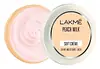
This barrier-repair moisturizer is formulated around Caprylic/Capric Triglyceride and Helianthus Annuus Seed Oil to strengthen the skin barrier and hydrate skin.
This barrier-repair lip moisturizer is formulated around Simmondsia Chinensis Seed Oil and Macadamia Integrifolia Seed Oil to strengthen the lip barrier and hydrate lips.


What's inside
What's inside
 Key Ingredients
Benefits
Concerns
Ingredients Side-by-side
Water
Skin ConditioningCyclopentasiloxane
Emollient
Sorbitol
Humectant

Caprylic/Capric Triglyceride
Masking
Stearic Acid
Cleansing


Helianthus Annuus Seed Oil
Emollient
Isohexadecane
EmollientGlycol Stearate
Emollient
Dimethicone
Emollient
Triethanolamine
BufferingSodium Acrylate/Sodium Acryloyldimethyl Taurate Copolymer
Emulsion StabilisingGlyceryl Stearate
Emollient
Phenoxyethanol
Preservative
Parfum
Masking



Cetyl Alcohol
Emollient
Methylparaben
Preservative

Carbomer
Emulsion StabilisingTitanium Dioxide
Cosmetic Colorant
Dimethiconol
Emollient
Polysorbate 80
Emulsifying
Tocopheryl Acetate
Antioxidant


Propylparaben
Preservative
Xanthan Gum
EmulsifyingDisodium EDTA
ChelatingBHT
Antioxidant
Prunus Persica Fruit Extract
Abrasive
Stearamide Amp
Foam BoostingLinalool
Perfuming
Butylphenyl Methylpropional
Perfuming
Alpha-Isomethyl Ionone
Perfuming
Citronellol
Perfuming
CI 14700
Cosmetic ColorantWater, Cyclopentasiloxane, Sorbitol, Caprylic/Capric Triglyceride, Stearic Acid, Helianthus Annuus Seed Oil, Isohexadecane, Glycol Stearate, Dimethicone, Triethanolamine, Sodium Acrylate/Sodium Acryloyldimethyl Taurate Copolymer, Glyceryl Stearate, Phenoxyethanol, Parfum, Cetyl Alcohol, Methylparaben, Carbomer, Titanium Dioxide, Dimethiconol, Polysorbate 80, Tocopheryl Acetate, Propylparaben, Xanthan Gum, Disodium EDTA, BHT, Prunus Persica Fruit Extract, Stearamide Amp, Linalool, Butylphenyl Methylpropional, Alpha-Isomethyl Ionone, Citronellol, CI 14700
Water
Skin ConditioningGlycerin
Humectant
Dimer Dilinoleyl Dimer Dilinoleate
EmollientSimmondsia Chinensis Seed Oil
Emollient
Macadamia Integrifolia Seed Oil
Skin Conditioning
Polyglyceryl-2 Triisostearate
Emulsifying
Bis-Behenyl/Isostearyl/Phytosteryl Dimer Dilinoleyl Dimer Dilinoleate
EmollientCocos Nucifera Oil
Masking
Butylene Glycol
Humectant
1,2-Hexanediol
Skin Conditioning
Sodium Chloride
MaskingSodium Polyglutamate
HumectantTocopherol
Antioxidant


Sodium Hyaluronate
Humectant
Disodium EDTA
ChelatingHelianthus Annuus Seed Oil
Emollient
Santalum Album Oil
Masking
Polygonatum Officinale Rhizome/Root Extract
Skin ConditioningHydroxyacetophenone
Antioxidant
Water, Glycerin, Dimer Dilinoleyl Dimer Dilinoleate, Simmondsia Chinensis Seed Oil, Macadamia Integrifolia Seed Oil, Polyglyceryl-2 Triisostearate, Bis-Behenyl/Isostearyl/Phytosteryl Dimer Dilinoleyl Dimer Dilinoleate, Cocos Nucifera Oil, Butylene Glycol, 1,2-Hexanediol, Sodium Chloride, Sodium Polyglutamate, Tocopherol, Sodium Hyaluronate, Disodium EDTA, Helianthus Annuus Seed Oil, Santalum Album Oil, Polygonatum Officinale Rhizome/Root Extract, Hydroxyacetophenone
Ingredients Explained
These ingredients are found in both products.
Ingredients higher up in an ingredient list are typically present in a larger amount.
Disodium EDTA is a chelating agent. It grabs onto and deactivates metal ions that sneak into your products from water, packaging, or air.
This ingredient mainly works behind the scenes and helps with:
On top of that, this ingredient can counteract the effects of hard water by binding to the minerals in it.
One thing worth knowing is that Disodium EDTA has been shown to be a mild penetration enhancer. It can help other ingredients absorb into skin more effectively which can be a double-edged sword (great for actives, but can also make the active too strong if you have sensitive skin).
Clinical patch testing showed no significant skin irritation at typical use concentrations and minimal dermal absorption.
You'll most likely see this ingredient near the end of an ingredient list. It's typically found in concentrations less than 1%.
Learn more about Disodium EDTAHelianthus Annuus Seed Oil is a plant oil derived from the seeds of a sunflower.
It is rich in fatty acids, primarily linoleic acid and oleic acid. This gives it emollient and skin conditioning properties.
The reason this ingredient is so effective is because it forms a thin film on the skin that reduces transepidermal water loss (TEWL) while supplying linoleic acid to the stratum corneum to improve barrier strength.
The high linoleic acid content is particularly noteworthy for acne-prone skin.
Research suggests that acne-prone skin tends to be deficient in linoleic acid in sebum. Topical application may help replenish this to support a healthier follicular environment and less comedone-promoting sebum.
One randomized study found sunflower seed oil preserved skin barrier integrity in adult volunteers with and without atopic dermatitis (outperforming olive oil).
This ingredient is well-studied, gentle, and an effective emollient suitable for most skin types.
On fungal acne: This ingredient may not be Fungal acne (Malassezia folliculitis) safe. This is because it contains fatty acids with carbon chain lengths in the C11-C24 range.
Learn more about Helianthus Annuus Seed OilWater. It's the most common cosmetic ingredient of all. You'll usually see it at the top of ingredient lists, meaning that it makes up the largest part of the product.
So why is it so popular? Water most often acts as a solvent - this means that it helps dissolve other ingredients into the formulation.
You'll also recognize water as that liquid we all need to stay alive. If you see this, drink a glass of water. Remember to stay hydrated!
Learn more about Water


