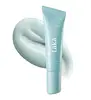
This hydrating lip mask is formulated around Simmondsia Chinensis Seed Oil to hydrate lips.
This lip moisturizer is formulated around Tocopheryl Acetate and Olea Europaea Fruit Oil to hydrate lips.


What's inside
What's inside
 Key Ingredients
Benefits
Concerns
Ingredients Side-by-side
Water
Skin ConditioningAlcohol
Antimicrobial




Polyvinyl Alcohol
Simmondsia Chinensis Seed Oil
Emollient




Octyldodecanol
Emollient
Caprylic/Capric Triglyceride
Masking
Methylpropanediol
SolventButylene Glycol
Humectant
Menthone Glycerin Acetal
Refreshing
1,2-Hexanediol
Skin Conditioning
Algin
Masking
Polysorbate 80
Emulsifying
Polyglyceryl-10 Oleate
Skin Conditioning
Pullulan
Glyceryl Stearate
Emollient
PEG-100 Stearate
Surfactant
Disteardimonium Hectorite
StabilisingSodium Polystyrene Sulfonate
Emulsion StabilisingAroma


Cellulose Gum
Emulsion StabilisingMicrocrystalline Cellulose
AbsorbentEthylhexylglycerin
Skin ConditioningSphingomonas Ferment Extract
Skin Conditioning
Sodium Phytate
Polyglyceryl-2 Triisostearate
Emulsifying
Tocopherol
Antioxidant




Limonene
Perfuming
Benzyl Benzoate
Antimicrobial
CI 42090
Cosmetic ColorantWater, Alcohol, Polyvinyl Alcohol, Simmondsia Chinensis Seed Oil, Octyldodecanol, Caprylic/Capric Triglyceride, Methylpropanediol, Butylene Glycol, Menthone Glycerin Acetal, 1,2-Hexanediol, Algin, Polysorbate 80, Polyglyceryl-10 Oleate, Pullulan, Glyceryl Stearate, PEG-100 Stearate, Disteardimonium Hectorite, Sodium Polystyrene Sulfonate, Aroma, Cellulose Gum, Microcrystalline Cellulose, Ethylhexylglycerin, Sphingomonas Ferment Extract, Sodium Phytate, Polyglyceryl-2 Triisostearate, Tocopherol, Limonene, Benzyl Benzoate, CI 42090
Tocopheryl Acetate
Antioxidant
Stearyl Glycyrrhetinate
Skin ConditioningOlea Europaea Fruit Oil
Masking
Petrolatum
Emollient
Diisostearyl Malate
EmollientHydrogenated Polybutene
Dipentaerythrityl Hexahydroxystearate
EmulsifyingCeresin
Emulsion StabilisingPhytosteryl/Octyldodecyl Lauroyl Glutamate
Skin ConditioningPhytosteryl/Isostearyl/Cetyl/Stearyl/Behenyl Dimer Dilinoleate
Skin Conditioning
Ethylhexyl Methoxycinnamate
UV Absorber

Polyglyceryl-2 Diisostearate
Emulsifying
Polyethylene
Abrasive
Phytosteryl/Behenyl/Octyldodecyl Lauroyl Glutamate
Skin ConditioningMicrocrystalline Wax
Emulsion StabilisingParaffinum Liquidum
Emollient
Glycerin
Humectant
Euphorbia Cerifera Cera
Astringent
Trehalose
Humectant
Honey
Humectant
Royal Jelly Extract
Skin Conditioning
Dimethicone
Emollient
Butyl Methoxydibenzoylmethane
UV Absorber
BHT
Antioxidant
Water
Skin ConditioningTocopherol
Antioxidant
Alcohol
Antimicrobial
CI 19140
Cosmetic ColorantTocopheryl Acetate, Stearyl Glycyrrhetinate, Olea Europaea Fruit Oil, Petrolatum, Diisostearyl Malate, Hydrogenated Polybutene, Dipentaerythrityl Hexahydroxystearate, Ceresin, Phytosteryl/Octyldodecyl Lauroyl Glutamate, Phytosteryl/Isostearyl/Cetyl/Stearyl/Behenyl Dimer Dilinoleate, Ethylhexyl Methoxycinnamate, Polyglyceryl-2 Diisostearate, Polyethylene, Phytosteryl/Behenyl/Octyldodecyl Lauroyl Glutamate, Microcrystalline Wax, Paraffinum Liquidum, Glycerin, Euphorbia Cerifera Cera, Trehalose, Honey, Royal Jelly Extract, Dimethicone, Butyl Methoxydibenzoylmethane, BHT, Water, Tocopherol, Alcohol, CI 19140
Reviews
Alternatives
Ingredients Explained
These ingredients are found in both products.
Ingredients higher up in an ingredient list are typically present in a larger amount.
This ingredient is also called ethanol or ethyl alcohol. It is denatured, meaning made undrinkable for cosmetic use.
In formulas, it:
Is it bad for your skin?
The answer comes down to concentration. Patch and wash studies have found highly concentrated alcohol-based hand rubs (60-100%) cause less barrier disruption than washing with a basic detergent like SLS. The only measurable effect in these studies was a temporary dip in skin hydration.
Concentrations below 12-15% in leave-on cosmetics is generally well-tolerated. Concentrations above start to see increased transepidermal water loss (TEWL) and reduced hydration.
In concentrations about 58%, it creates temporary channels in your skin's lipid layers to become more permeable and allow other ingredients to slip through easily.
This ingredient can be up to 80% of the formula in alcohol-based perfumes.
Overall, this ingredient is probably harmless if found lower down an ingredients list but worth side-eyeing if it's high up (especially if your barrier is already struggling).
Alcohol can worsen dry skin, eczema, and oily skin, especially at higher concentrations. This is because it can increase transepidermal water loss and decrease hydration to disrupt the skin barrier.
According to the National Rosacea Society based in the US, you should be mindful of products with these alcohols in the top half of ingredients.
True allergic contact dermatitis to ethanol is uncommon, but be sure to patch test if you have dry or sensitive skin.
Learn more about AlcoholTocopherol is a fat-soluble antioxidant known as Vitamin E.
You'll find this ingredient in the vast majority of skincare (for good reason). It works to neutralize free radicals, or unstable molecules generated by UV exposure, pollution, and other environmental stressors, before they can cause oxidative damage to your skin cells.
Topically applied tocopherol has been shown to protect against UV damage by ramping up the skin's own natural defense enzymes.
It also acts as a skin conditioning agent; some studies show that regular topical use can improve the skin's water-binding capacity over 2-4 weeks.
This ingredient is especially loved for being a team player. When combined with Vitamin C, the photoprotective effect of both ingredients roughly doubles and the combo also helps reduce UV-induced DNA damage.
This ingredient has some brightening potential but it's more of a prevention ingredient than spot-fader. Cell studies show it can slow down melanin production but it's worth noting that it's not the most powerful brightener out there.
In formulations, it also serves as a stabilizer that helps protect other oxidation-prone ingredients from degrading.
Concentrations usually range from 0.1-1% in most leave-on products.
Learn more about TocopherolWater. It's the most common cosmetic ingredient of all. You'll usually see it at the top of ingredient lists, meaning that it makes up the largest part of the product.
So why is it so popular? Water most often acts as a solvent - this means that it helps dissolve other ingredients into the formulation.
You'll also recognize water as that liquid we all need to stay alive. If you see this, drink a glass of water. Remember to stay hydrated!
Learn more about Water

