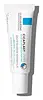
This barrier-repair lip moisturizer is formulated around Butyrospermum Parkii Butter and Panthenol to strengthen the lip barrier and hydrate lips.
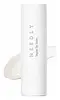
This barrier-repair lip moisturizer is formulated around Ricinus Communis Seed Oil and Squalane to strengthen the lip barrier and hydrate lips.


What's inside
What's inside
 Key Ingredients
Benefits
Concerns
Ingredients Side-by-side
Caprylic/Capric Triglyceride
Masking


PPG-5 Pentaerythrityl Ether
EmollientPEG-5 Pentaerythrityl Ether
EmollientButyrospermum Parkii Butter
Skin Conditioning




Beeswax
Emulsion Stabilising
Panthenol
Skin Conditioning


Hydrogenated Vegetable Oil
Emollient
Ethylhexyl Palmitate
Emollient
Silica Silylate
Emollient
Polybutene
Glycine Soja Sterols
Emollient
Water
Skin ConditioningSodium Saccharin
MaskingMyristyl Malate Phosphonic Acid
Skin ConditioningPentaerythrityl Tetra-Di-T-Butyl Hydroxyhydrocinnamate
Antioxidant
Caprylic/Capric Triglyceride, PPG-5 Pentaerythrityl Ether, PEG-5 Pentaerythrityl Ether, Butyrospermum Parkii Butter, Beeswax, Panthenol, Hydrogenated Vegetable Oil, Ethylhexyl Palmitate, Silica Silylate, Polybutene, Glycine Soja Sterols, Water, Sodium Saccharin, Myristyl Malate Phosphonic Acid, Pentaerythrityl Tetra-Di-T-Butyl Hydroxyhydrocinnamate
Ricinus Communis Seed Oil
Masking
Microcrystalline Wax
Emulsion StabilisingOctyldodecanol
Emollient
Squalane
Emollient
Diisostearyl Malate
EmollientCaprylic/Capric/Myristic/Stearic Triglyceride
EmollientPentaerythrityl Tetraethylhexanoate
Emollient
Hydrogenated Polyisobutene
EmollientPhytosteryl/Isostearyl/Cetyl/Stearyl/Behenyl Dimer Dilinoleate
Skin Conditioning
Paraffin
Skin Conditioning
Synthetic Wax
Abrasive
Hydrogenated Vegetable Oil
Emollient
Pyrus Malus Seed Oil
Emollient
Silica Dimethyl Silylate
EmollientAcetylated Sucrose Distearate
EmollientPhytosteryl Macadamiate
Skin Conditioning
Polyglyceryl-2 Triisostearate
Emulsifying
Limonene
Perfuming
Caprylyl Glycol
Emollient
Glyceryl Caprylate
EmollientCitrus Aurantium Dulcis Peel Oil
Masking
Linalool
Perfuming
Butyrospermum Parkii Butter
Skin Conditioning
Panthenol
Skin Conditioning
Persea Gratissima Oil
Skin Conditioning
Theobroma Cacao Seed Butter
Emollient
Helianthus Annuus Seed Oil
Emollient
Simmondsia Chinensis Seed Oil
Emollient
Sodium Hyaluronate
Humectant
Ricinus Communis Seed Oil, Microcrystalline Wax, Octyldodecanol, Squalane, Diisostearyl Malate, Caprylic/Capric/Myristic/Stearic Triglyceride, Pentaerythrityl Tetraethylhexanoate, Hydrogenated Polyisobutene, Phytosteryl/Isostearyl/Cetyl/Stearyl/Behenyl Dimer Dilinoleate, Paraffin, Synthetic Wax, Hydrogenated Vegetable Oil, Pyrus Malus Seed Oil, Silica Dimethyl Silylate, Acetylated Sucrose Distearate, Phytosteryl Macadamiate, Polyglyceryl-2 Triisostearate, Limonene, Caprylyl Glycol, Glyceryl Caprylate, Citrus Aurantium Dulcis Peel Oil, Linalool, Butyrospermum Parkii Butter, Panthenol, Persea Gratissima Oil, Theobroma Cacao Seed Butter, Helianthus Annuus Seed Oil, Simmondsia Chinensis Seed Oil, Sodium Hyaluronate
Reviews
Ingredients Explained
These ingredients are found in both products.
Ingredients higher up in an ingredient list are typically present in a larger amount.
This ingredient is also known as shea butter. It is a plant-derived extract from the nuts of the Africa shea tree and one of the most well-studied emollients.
Because it has a high concentration of fatty acids (primarily oleic, stearic, and linoleic) it is able to form a protective barrier on the skin's surface. This helps seal in moisture and prevents transepidermal water loss (TEWL).
In vitro research found an increase in skin hydration by 58% and a decrease in TEWL by 37.8% after 24 hours of applying this ingredient (pretty impressive for a single ingredient!).
Besides hydration, shea butter also contains triterpenes that have anti-inflammatory potential. In particule, lupeol cinnamate has shown the highest anti-inflammatory activity in vivo.
Shea butter also contains vitamins A and E which may contribute to antioxidant activity.
While Shea Butter has an SPF rating of about 3-4, it is not a sunscreen replacement.
This ingredient may not be fungal acne safe because its fatty acids fall within the C11-C24 range that the Malassezia yeast can metabolize.
This ingredient shows up on a lot of "pore-clogging" lists but there's no real evidence behind that. It doesn't even have a comedogenic rating from an actual study; the numbers you'll find online come from blogs citing other blogs.
Ratings for other ingredients mostly come from a 1980s rabbit ear test. This test doesn't translate well to human skin or to real products because the ingredient sits at a much lower percentage.
Some people still find it breaks them out. So if that's you, definitely trust your skin. Just know this one's based on experience and not evidence.
Learn more about Butyrospermum Parkii ButterHydrogenated Vegetable Oil isn't a single oil. It's the labeling name for a blend of plant-derived oils that can include canola, rapeseed, safflower, sunflower, sesame, palm, palm kernel, cotton, soybean, olive, and more.
Hydrogenation is the processing step that reduces or removes the unsaturated bonds in the fatty acids to make the oil more resistant to oxidative and thermal damage.
In cosmetics, it acts as a skin conditioner, occlusive, and emollient that give products a rich body.
Concentrations are reported from 0.0004% to 60% with leave-on products going as high as 60% and rinse-off products staying at 8% or below.
The Cosmetic Ingredient Review has concluded this ingredient to be safe as used in cosmetics.
This ingredient does have a comedogenic rating of 3, but this doesn't mean a formula with this ingredient will clog pores. Human testing has proved that any finished product with this ingredient won't automatically make you break out; it really comes down to concentration, formula, and your skin.
Since this ingredient is a triglyceride built mostly from C16 and C18 fatty acids, this ingredient may not be fungal acne safe as that falls into the range the Malassezia yeast can metabolize.
Allergy-wise, the proteins responsible for plant food allergies are taken out of the refined oil. This is why reactions to refined oils are rare even from highly allergenic sources like peanut. Well-designed studies have also shown refined peanut oil is safely tolerated by the vast majority of peanut-allergic people.
However, the issue is with unrefined oils; be sure to reach out to the manufacturer if you have a plant food allergy about the type of oil used in their products.
The other catch for this INCI name is that it doesn't tell you which plants are in the blend so you would need to ask the brand.
Learn more about Hydrogenated Vegetable OilPanthenol is a common ingredient that helps hydrate and soothe the skin. It is found naturally in our skin and hair.
There are two forms of panthenol: D and L.
D-panthenol is also known as dexpanthenol. Most cosmetics use dexpanthenol or a mixture of D and L-panthenol.
Panthenol is famous due to its ability to go deeper into the skin's layers. Using this ingredient has numerous pros (and no cons):
Like hyaluronic acid, panthenol is a humectant. Humectants are able to bind and hold large amounts of water to keep skin hydrated.
This ingredient works well for wound healing. It works by increasing tissue in the wound and helps close open wounds.
Once oxidized, panthenol converts to pantothenic acid. Panthothenic acid is found in all living cells.
This ingredient is also referred to as pro-vitamin B5.
Learn more about Panthenol

