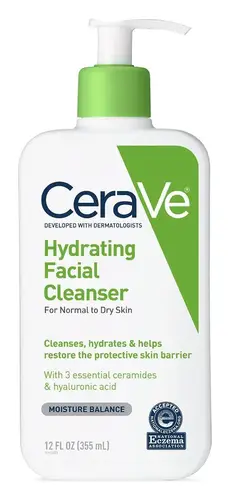
This mild foaming cleanser is mild enough to cleanse without leaving skin feeling tight or stripped.


What's inside
What's inside
 Key Ingredients
No key ingredients
Benefits
Concerns
Ingredients Side-by-side
Glycerin
Humectant


Potassium Myristate
EmulsifyingSodium Methyl Cocoyl Taurate
Cleansing
Potassium Laurate
EmulsifyingPotassium Behenate
CleansingGlycol Distearate
Emollient

PEG-150 Distearate
Emulsifying
Potassium Palmitate
EmulsifyingCocamide Mea
Emulsifying
Magnesium Aluminum Silicate
Absorbent
Potassium Stearate
CleansingHydroxyethylcellulose
Emulsion StabilisingButylene Glycol
Humectant
Pyrus Malus Pulp Extract
Skin ConditioningPetrolatum
Emollient


Cyclomethicone
Emollient
Dimethiconol
Emollient
Sodium Hyaluronate
Humectant


Glycyrrhiza Glabra Root Extract
Bleaching


Propylene Glycol
Humectant
Gentiana Lutea Extract
EmollientCamellia Sinensis Leaf Extract
Antimicrobial

Phospholipids
Skin Conditioning
PEG-60 Hydrogenated Castor Oil
Emulsifying
Trisodium EDTA
ChelatingBenzyl Alcohol
Perfuming




Parfum
Masking
Imidazolidinyl Urea
Preservative
Phenoxyethanol
Preservative
Methylparaben
Preservative

Propylparaben
Preservative
Titanium Dioxide
Cosmetic Colorant
CI 17200
Cosmetic ColorantAloe Barbadensis Leaf Extract
Emollient
Water
Skin ConditioningGlycerin, Potassium Myristate, Sodium Methyl Cocoyl Taurate, Potassium Laurate, Potassium Behenate, Glycol Distearate, PEG-150 Distearate, Potassium Palmitate, Cocamide Mea, Magnesium Aluminum Silicate, Potassium Stearate, Hydroxyethylcellulose, Butylene Glycol, Pyrus Malus Pulp Extract, Petrolatum, Cyclomethicone, Dimethiconol, Sodium Hyaluronate, Glycyrrhiza Glabra Root Extract, Propylene Glycol, Gentiana Lutea Extract, Camellia Sinensis Leaf Extract, Phospholipids, PEG-60 Hydrogenated Castor Oil, Trisodium EDTA, Benzyl Alcohol, Parfum, Imidazolidinyl Urea, Phenoxyethanol, Methylparaben, Propylparaben, Titanium Dioxide, CI 17200, Aloe Barbadensis Leaf Extract, Water
Water
Skin ConditioningGlycerin
Humectant
Sodium Cocoyl Glutamate
Cleansing
Caprylyl/Capryl Glucoside
CleansingCocamidopropyl Betaine
Cleansing
Coco-Betaine
Cleansing
Caprylyl Glycol
Emollient
Citric Acid
Buffering
Potassium Sorbate
Preservative
Sodium Cocoyl Isethionate
Cleansing
Sodium Methyl Cocoyl Taurate
Cleansing
Sodium Chloride
MaskingSodium Phytate
Butylene Glycol
Humectant
Chamomilla Recutita Flower Extract
Masking
Linalool
Perfuming
Salvia Officinalis Leaf Extract
CleansingCitronellol
Perfuming
Vitis Vinifera Fruit Extract
Skin ConditioningParfum
Masking
Water, Glycerin, Sodium Cocoyl Glutamate, Caprylyl/Capryl Glucoside, Cocamidopropyl Betaine, Coco-Betaine, Caprylyl Glycol, Citric Acid, Potassium Sorbate, Sodium Cocoyl Isethionate, Sodium Methyl Cocoyl Taurate, Sodium Chloride, Sodium Phytate, Butylene Glycol, Chamomilla Recutita Flower Extract, Linalool, Salvia Officinalis Leaf Extract, Citronellol, Vitis Vinifera Fruit Extract, Parfum
Reviews
Ingredients Explained
These ingredients are found in both products.
Ingredients higher up in an ingredient list are typically present in a larger amount.
Butylene Glycol (or BG) is used within cosmetic products for a few different reasons:
Overall, Butylene Glycol is a safe and well-rounded ingredient that works well with other ingredients.
Though this ingredient works well with most skin types, some people with sensitive skin may experience a reaction such as allergic rashes, closed comedones, or itchiness.
Learn more about Butylene GlycolGlycerin (or glycerol) is a compound naturally found in your skin. It's a powerhouse humectant that pulls water into the stratum corneum.
Topically, glycerin does several things at once:
Your skin makes glycerin on its own (mostly from sebaceous oil breakdown) and shuttles it to your outermost layer of skin, or your epidermis, via aquaporin-3.
Aquaporin-3 is a transporter that is essential for normal skin hydration, elasticity, and repair. Interestingly, mice lacking in AQP3 have dry and less elastic skin that can be fully corrected with glycerin.
This ingredient is non-irritating, plays well with almost every ingredient, and works across all skin types. Typical use is anywhere between 3-10% but can go up to 79% in some leave-on products.
Just know very high concentrations (>40%) can feel tacky in low humidity.
Glycerin is the name for this ingredient in American English. British English uses Glycerol/Glycerine.
Learn more about GlycerinParfum is a catch-all term for an ingredient or more that is used to give a scent to products.
Also called "fragrance", this ingredient can be a blend of hundreds of chemicals or plant oils. This means every product with "fragrance" or "parfum" in the ingredients list is a different mixture.
For instance, Habanolide is a proprietary trade name for a specific aroma chemical. When used as a fragrance ingredient in cosmetics, most aroma chemicals fall under the broad labeling category of “FRAGRANCE” or “PARFUM” according to EU and US regulations.
The term 'parfum' or 'fragrance' is not regulated in many countries. In many cases, it is up to the brand to define this term.
For instance, many brands choose to label themselves as "fragrance-free" because they are not using synthetic fragrances. However, their products may still contain ingredients such as essential oils that are considered a fragrance by INCI standards.
One example is Calendula flower extract. Calendula is an essential oil that still imparts a scent or 'fragrance'.
Depending on the blend, the ingredients in the mixture can cause allergies and sensitivities on the skin. Some ingredients that are known EU allergens include linalool and citronellol.
Parfum can also be used to mask or cover an unpleasant scent.
The bottom line is: not all fragrances/parfum/ingredients are created equally. If you are worried about fragrances, we recommend taking a closer look at an ingredient. And of course, we always recommend speaking with a professional.
Learn more about ParfumSodium Methyl Cocoyl Taurate is a gentle, coconut-derived cleansing surfactant. It's most commonly found in "sulfate-free" cleansers.
As a taurate, it belongs to a class of anionic surfactants prized for being efficient at cleansing without harshness, good performance in hard water, stability across a wide pH range, and easily biodegradable.
It is able to lift away oil and grime and make a nice lather without stripping your skin, so it's a good pick for sensitive skin.
Safety-wise, it has a good record. The CIR Expert Panel has concluded this ingredient to be safe in cosmetics and concentrations go up to 11% in leave-on products or 13% in rinse-off products.
Despite being derived from coconut oil, this ingredient is fungal acne safe. It's a water-soluble surfactant with no fatty oils or esters left intact on skin for the Malassezia yeast to feed.
Learn more about Sodium Methyl Cocoyl TaurateWater. It's the most common cosmetic ingredient of all. You'll usually see it at the top of ingredient lists, meaning that it makes up the largest part of the product.
So why is it so popular? Water most often acts as a solvent - this means that it helps dissolve other ingredients into the formulation.
You'll also recognize water as that liquid we all need to stay alive. If you see this, drink a glass of water. Remember to stay hydrated!
Learn more about Water