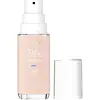
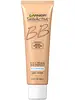
L'Oreal True Match Super-Blendable Foundation Versus Garnier 5-in-1 Miracle Perfector BB Cream Oil-Free

What's inside
What's inside
 Key Ingredients
Benefits
Concerns
Ingredients Side-by-side
Water
Skin ConditioningDimethicone
Emollient
Isododecane
EmollientCyclohexasiloxane
Emollient
Glycerin
Humectant



PEG-10 Dimethicone
Skin Conditioning
Methyl Methacrylate Crosspolymer
Butylene Glycol
Humectant
Pentylene Glycol
Skin ConditioningSynthetic Fluorphlogopite
Disteardimonium Hectorite
StabilisingHydroxyethylpiperazine Ethane Sulfonic Acid
BufferingCetyl PEG/PPG-10/1 Dimethicone
Emulsifying
Sodium Chloride
Masking


Polyglyceryl-4 Isostearate
Emulsifying
Hexyl Laurate
Emollient
Caprylyl Glycol
Emollient
Phenoxyethanol
Preservative
Disodium Stearoyl Glutamate
CleansingTocopherol
Antioxidant


Silica
Abrasive

Panthenol
Skin Conditioning

Aluminum Hydroxide
EmollientHydroxyethyl Urea
Humectant
Aloe Barbadensis Leaf Juice Powder
Skin Conditioning
Sodium Hyaluronate
Humectant
Pentaerythrityl Tetra-Di-T-Butyl Hydroxyhydrocinnamate
Antioxidant
Titanium Dioxide
Cosmetic Colorant

CI 77491
Cosmetic ColorantCI 77492
Cosmetic ColorantCI 77499
Cosmetic ColorantCI 77007
Cosmetic ColorantCI 77288
Cosmetic ColorantWater, Dimethicone, Isododecane, Cyclohexasiloxane, Glycerin, PEG-10 Dimethicone, Methyl Methacrylate Crosspolymer, Butylene Glycol, Pentylene Glycol, Synthetic Fluorphlogopite, Disteardimonium Hectorite, Hydroxyethylpiperazine Ethane Sulfonic Acid, Cetyl PEG/PPG-10/1 Dimethicone, Sodium Chloride, Polyglyceryl-4 Isostearate, Hexyl Laurate, Caprylyl Glycol, Phenoxyethanol, Disodium Stearoyl Glutamate, Tocopherol, Silica, Panthenol, Aluminum Hydroxide, Hydroxyethyl Urea, Aloe Barbadensis Leaf Juice Powder, Sodium Hyaluronate, Pentaerythrityl Tetra-Di-T-Butyl Hydroxyhydrocinnamate, Titanium Dioxide, CI 77491, CI 77492, CI 77499, CI 77007, CI 77288
Ethylhexyl Methoxycinnamate 3%
UV Absorber
Titanium Dioxide 4.7%
Cosmetic Colorant
Water
Skin ConditioningIsononyl Isononanoate
EmollientIsohexadecane
EmollientGlycerin
Humectant
Alcohol Denat.
Antimicrobial

PEG-20 Methyl Glucose Sesquistearate
Emulsifying
Methyl Glucose Sesquistearate
Emollient
Cetyl Palmitate
Emollient
Nylon-12
Cyclohexasiloxane
Emollient
Propylene Glycol
Humectant
Hydrogenated Polyisobutene
EmollientStearyl Alcohol
Emollient
Magnesium Aluminum Silicate
AbsorbentPhenoxyethanol
Preservative
Caprylyl Glycol
Emollient
Lithium Magnesium Sodium Silicate
AbsorbentDisodium EDTA
Linalool
Perfuming

Benzyl Salicylate
Perfuming
Limonene
Perfuming
Caffeine
Skin Conditioning
Ascorbyl Glucoside
Antioxidant


Benzyl Alcohol
Perfuming
Geraniol
Perfuming
Cellulose Acetate Butyrate
Polyphosphorylcholine Glycol Acrylate
Citral
Perfuming
Ammonium Polyacryloyldimethyl Taurate
Emulsion StabilisingPolyvinyl Alcohol
Sodium Chloride
Masking
Butylene Glycol
Humectant
Sodium Hyaluronate
Humectant
Parfum
Masking
Iron Oxides
Ethylhexyl Methoxycinnamate 3%, Titanium Dioxide 4.7%, Water, Isononyl Isononanoate, Isohexadecane, Glycerin, Alcohol Denat., PEG-20 Methyl Glucose Sesquistearate, Methyl Glucose Sesquistearate, Cetyl Palmitate, Nylon-12, Cyclohexasiloxane, Propylene Glycol, Hydrogenated Polyisobutene, Stearyl Alcohol, Magnesium Aluminum Silicate, Phenoxyethanol, Caprylyl Glycol, Lithium Magnesium Sodium Silicate, Disodium EDTA, Linalool, Benzyl Salicylate, Limonene, Caffeine, Ascorbyl Glucoside, Benzyl Alcohol, Geraniol, Cellulose Acetate Butyrate, Polyphosphorylcholine Glycol Acrylate, Citral, Ammonium Polyacryloyldimethyl Taurate, Polyvinyl Alcohol, Sodium Chloride, Butylene Glycol, Sodium Hyaluronate, Parfum, Iron Oxides
Reviews
Ingredients Explained
These ingredients are found in both products.
Ingredients higher up in an ingredient list are typically present in a larger amount.
Butylene Glycol (or BG) is used within cosmetic products for a few different reasons:
Overall, Butylene Glycol is a safe and well-rounded ingredient that works well with other ingredients.
Though this ingredient works well with most skin types, some people with sensitive skin may experience a reaction such as allergic rashes, closed comedones, or itchiness.
Learn more about Butylene GlycolCaprylyl Glycol is a humectant and emollient, meaning it attracts and preserves moisture.
It is a common ingredient in many products, especially those designed to hydrate skin. The primary benefits are retaining moisture, skin softening, and promoting a healthy skin barrier.
Though Caprylyl Glycol is an alcohol derived from fatty acids, it is not the kind that can dry out skin.
This ingredient is also used as a preservative to extend the life of products. It has slight antimicrobial properties.
Learn more about Caprylyl GlycolCyclohexasiloxane is a type of silicone more commonly known as D6. It is an emollient and solvent.
Cyclohexasiloxane is used to evenly distribute ingredients throughout the product. When applied to the skin, Cyclohexasiloxane evaporates and leaves behind a silky feel.
As an emollient, it can help the skin feel soft and hydrated. It is also used to reduce frizz in hair products.
Learn more about CyclohexasiloxaneGlycerin is already naturally found in your skin. It helps moisturize and protect your skin.
A study from 2016 found glycerin to be more effective as a humectant than AHAs and hyaluronic acid.
As a humectant, it helps the skin stay hydrated by pulling moisture to your skin. The low molecular weight of glycerin allows it to pull moisture into the deeper layers of your skin.
Hydrated skin improves your skin barrier; Your skin barrier helps protect against irritants and bacteria.
Glycerin has also been found to have antimicrobial and antiviral properties. Due to these properties, glycerin is often used in wound and burn treatments.
In cosmetics, glycerin is usually derived from plants such as soybean or palm. However, it can also be sourced from animals, such as tallow or animal fat.
This ingredient is organic, colorless, odorless, and non-toxic.
Glycerin is the name for this ingredient in American English. British English uses Glycerol/Glycerine.
Learn more about GlycerinPhenoxyethanol is a preservative that has germicide, antimicrobial, and aromatic properties. Studies show that phenoxyethanol can prevent microbial growth. By itself, it has a scent that is similar to that of a rose.
It's often used in formulations along with Caprylyl Glycol to preserve the shelf life of products.
Chances are, you eat sodium chloride every day. Sodium Chloride is also known as table salt.
This ingredient has many purposes in skincare: thickener, emulsifier, and exfoliator.
You'll most likely find this ingredient in cleansers where it is used to create a gel-like texture. As an emulsifier, it also prevents ingredients from separating.
There is much debate on whether this ingredient is comedogenic. The short answer - comedogenic ratings don't tell the whole story. Learn more about comegodenic ratings here.
The concensus about this ingredient causing acne seems to be divided. Research is needed to understand if this ingredient does cause acne.
Scrubs may use salt as the primary exfoliating ingredient.
Learn more about Sodium ChlorideSodium Hyaluronate is hyaluronic acid's salt form. It is commonly derived from the sodium salt of hyaluronic acid.
Like hyaluronic acid, it is great at holding water and acts as a humectant. This makes it a great skin hydrating ingredient.
Sodium Hyaluronate is naturally occurring in our bodies and is mostly found in eye fluid and joints.
These are some other common types of Hyaluronic Acid:
Learn more about Sodium HyaluronateTitanium dioxide is a mineral UV filter widely used in sunscreens and cosmetics.
It is one of only two UV filters officially classified as “mineral” by regulatory agencies, the other being zinc oxide.
Titanium dioxide provides broad-spectrum protection mostly in the UVB and UVAII range, with some protection in the UVAI range.
While its UVA protection isn’t as strong as zinc oxide’s, the difference is minor.
A common myth is that mineral UV filters reflect UV light. However, modern research shows titanium dioxide absorbs UV radiation like chemical filters (~95% absorption & 5% reflection).
Thanks to its non-irritating nature, titanium dioxide is suitable for sensitive, acne-prone, or redness-prone skin. It is unlikely to cause "eye sting" like other sunscreen ingredients.
A major drawback of this ingredient is its white cast and thick texture. This is why mineral sunscreens often leave a white cast and are less cosmetically elegant than chemical/hybrid sunscreens.
To improve white cast and spreadability, micronized or nano-sized titanium dioxide is often used.
There are ongoing concerns surrounding nano-titanium oxide's impact on marine ecosystems.
There is no conclusive evidence that any form of titanium oxide (or any other sunscreen ingredients) will cause harm to marine ecosystems or coral reefs. The science is still developing but many consumers are keeping a close eye on this issue.
Please note, many destinations have reef-safety sunscreen rules. For instance, the U.S. Virgin Islands advises all visitors to use non-nano mineral sunscreens.
Nano mineral sunscreens once raised safety concerns about absorption into skin.
Extensive research has shown that they do not penetrate healthy or damaged skin; they remain safely on the surface and the top layer of dead skin (stratum corneum).
You'll likely find titanium dioxide bundled with alumina, silica, or dimethicone. These ingredients help make titanium dioxide highly photostable; this prevents it from interacting with other formula components under UV light.
Learn more about Titanium DioxideWater. It's the most common cosmetic ingredient of all. You'll usually see it at the top of ingredient lists, meaning that it makes up the largest part of the product.
So why is it so popular? Water most often acts as a solvent - this means that it helps dissolve other ingredients into the formulation.
You'll also recognize water as that liquid we all need to stay alive. If you see this, drink a glass of water. Stay hydrated!
Learn more about Water
