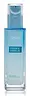
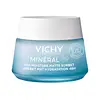
L'Oreal Hydra Genius Liquid Moisturizer Normal/Oily Versus Vichy Mineral 89 48H Moisture Matte Sorbet
This moisturizer is formulated around Aloe Barbadensis Leaf Juice and Sodium Hyaluronate to hydrate skin.
This oil-control moisturizer is formulated around Niacinamide and Sodium Hyaluronate to balance excess oil and hydrate skin.

What's inside
What's inside
 Key Ingredients
Benefits
Concerns
Ingredients Side-by-side
Water
Skin ConditioningGlycerin
Humectant


Alcohol Denat.
Antimicrobial




Dimethicone
Emollient
Isononyl Isononanoate
EmollientSilanetriol
Carbomer
Emulsion StabilisingTriethanolamine
BufferingDimethiconol
Emollient
Aloe Barbadensis Leaf Juice
Skin Conditioning

Sodium Hyaluronate
Humectant

Silica Dimethyl Silylate
EmollientHyaluronic Acid
Humectant
Phyllostachys Bambusoides Extract
Skin ConditioningCaprylyl Glycol
Emollient
Tetrasodium EDTA
Citric Acid
Buffering

Biosaccharide Gum-1
Humectant
Xanthan Gum
EmulsifyingPanthenol
Skin Conditioning
Menthoxypropanediol
Masking
Ethylhexyl Palmitate
Emollient


Butylene Glycol
Humectant
Hexylene Glycol
EmulsifyingTocopherol
Antioxidant


Potassium Sorbate
Preservative
Sorbic Acid
Preservative
Methylparaben
Preservative

Sodium Benzoate
Masking
Phenoxyethanol
Preservative
Chlorphenesin
Antimicrobial
CI 42090
Cosmetic ColorantLinalool
Perfuming

Limonene
Perfuming
Parfum
Masking
Water, Glycerin, Alcohol Denat., Dimethicone, Isononyl Isononanoate, Silanetriol, Carbomer, Triethanolamine, Dimethiconol, Aloe Barbadensis Leaf Juice, Sodium Hyaluronate, Silica Dimethyl Silylate, Hyaluronic Acid, Phyllostachys Bambusoides Extract, Caprylyl Glycol, Tetrasodium EDTA, Citric Acid, Biosaccharide Gum-1, Xanthan Gum, Panthenol, Menthoxypropanediol, Ethylhexyl Palmitate, Butylene Glycol, Hexylene Glycol, Tocopherol, Potassium Sorbate, Sorbic Acid, Methylparaben, Sodium Benzoate, Phenoxyethanol, Chlorphenesin, CI 42090, Linalool, Limonene, Parfum
Water
Skin ConditioningGlycerin
Humectant
Alcohol Denat.
Antimicrobial
Niacinamide
Smoothing




Butylene Glycol
Humectant
Sodium Carbomer
Emulsion StabilisingSqualane
Emollient
Citric Acid
Buffering
Hydroxyacetophenone
Antioxidant
Mineral Salts
Skin ConditioningSodium Hyaluronate
Humectant
Sodium Hydroxide
BufferingTrisodium Ethylenediamine Disuccinate
Dipotassium Glycyrrhizate
Humectant
Silica
Abrasive
Biosaccharide Gum-1
Humectant
Caprylyl Glycol
Emollient
Glyceryl Isostearate
Emollient
Maltodextrin
Absorbent
Xanthan Gum
EmulsifyingSalicylic Acid
Masking
Water, Glycerin, Alcohol Denat., Niacinamide, Butylene Glycol, Sodium Carbomer, Squalane, Citric Acid, Hydroxyacetophenone, Mineral Salts, Sodium Hyaluronate, Sodium Hydroxide, Trisodium Ethylenediamine Disuccinate, Dipotassium Glycyrrhizate, Silica, Biosaccharide Gum-1, Caprylyl Glycol, Glyceryl Isostearate, Maltodextrin, Xanthan Gum, Salicylic Acid
Ingredients Explained
These ingredients are found in both products.
Ingredients higher up in an ingredient list are typically present in a larger amount.
Alcohol Denat. is an alcohol with a denaturant property. It is created by mixing ethanol with other additives.
The "denat" part just means "denatured"; common denaturants include Denatonium Benzoate, t-butyl alcohol, and Diethyl Phthalate. This step makes the alcohol undrinkable (and lets brand skip taxes related to beverage alcohol).
This ingredient gets a bad rep because it is irritating and drying due to its astringent property. Astringents draw out natural oils in tissue to constrict pores and dry out your skin.
However, alcohol denat. is not all that bad.
Due to its low molecular weight, alcohol denat. tends to evaporate quickly. One study on pig skin found half of applied alcohol evaporated in 10 seconds and less than 3% stayed on skin.
This also helps other ingredients become better absorbed upon application.
Studies are conflicted about whether this ingredient causes skin dehydration. One study from 2005 found adding emollients to propanol-based sanitizer decreased skin dryness and irritation. Another study found irritation only occurs if your skin is already damaged.
Small amounts of alcohol are generally tolerated by oily skin or people who live in humid environments.
The rule of thumb is this ingredient will probably not affect your skin much if it is near the end of an ingredients list.
One thing to note:
People with ALDH2 (aldehyde dehydrogenase 2) deficiency may experience skin irritation from continued alcohol use. About 8% of the world's population have this deficiency.
The Cosmetic Ingredient Review Expert Panel has determined denatured alcohols to be safe for use in concentrations between 0.05% and 12% (depending on which denaturant is used).
Also...
This ingredient has antimicrobial and solvent properties.
The antimicrobial property helps preserve products and increase their shelf life. As a solvent, it helps dissolve other ingredients.
Look for formulas that contain glycerin, hyaluronic acid, or panthenol if you want to offset any drying effect.
This ingredient will trip away your skin's natural oils/lipids that help it lock in moisture. This can worsen dryness, trigger eczema flare-ups, and aggravate rosacea.
Be sure to patch test any product with this ingredient if you have dry or sensitive skin, eczema, or rosacea.
Learn more about Alcohol Denat.Biosaccharide Gum-1 is a sugar created by fermenting sorbitol (which usually comes from potato starch!). It is known for its soothing and moisturizing properties.
Manufacturer tests show this ingredient helped reduce irritation from lactic acid by almost half and kept skin hydrated long-term as a humectant
Beyond hydration, Biosaccharide Gum-1 gives formulas a silky, non-sticky feel.
This ingredient is gentle, versatile, and suitable for all skin types.
Fun fact: Similar sugars can be found naturally in fruits like apples and pears.
Learn more about Biosaccharide Gum-1Butylene Glycol (or BG) is used within cosmetic products for a few different reasons:
Overall, Butylene Glycol is a safe and well-rounded ingredient that works well with other ingredients.
Though this ingredient works well with most skin types, some people with sensitive skin may experience a reaction such as allergic rashes, closed comedones, or itchiness.
Learn more about Butylene GlycolCaprylyl Glycol is a humectant, skin conditioner, emollient, and preservative booster derived from either caprylic acid or synthetically created.
Typical use levels vary from 0.3-1% as a preservative booster and go up to 2% to condition skin.
Because it is not a free-fatty acid, this ingredient is fungal acne safe (there's nothing for Malassezia to feed on).
Learn more about Caprylyl GlycolCitric Acid is an alpha hydroxy acid (AHA) naturally found in citrus fruits like oranges, lemons, and limes.
Like other AHAs, citric acid can exfoliate skin by breaking down the bonds that hold dead skin cells together. This helps reveal smoother and brighter skin underneath.
However, this exfoliating effect only happens at high concentrations (20%) which can be hard to find in cosmetic products.
Due to this, citric acid is usually included in small amounts as a pH adjuster. This helps keep products slightly more acidic and compatible with skin's natural pH.
In skincare formulas, citric acid can:
While it can provide some skin benefits, research shows lactic acid and glycolic acid are generally more effective and less irritating exfoliants.
Most citric acid used in skincare today is made by fermenting sugars (usually from molasses). This synthetic version is identical to the natural citrus form but easier to stabilize and use in formulations.
Rosacea skin has a lower threshold for acids generally, with 62.5% of rosacea subjects in one study reacting to lactic acid in a sting test. This is why we mark citric acid as a potential rosacea trigger.
However, this ingredient shows up as a pH adjuster or chelator at roughly 0.1-1% in many products. These low levels are unlikely to be an issue for rosacea skin and becomes a potential trigger at exfoliating concentrations (20%). Because everybody's skin is unique, we recommend a patch test if you are unsure.
Learn more about Citric AcidGlycerin (or glycerol) is a compound naturally found in your skin. It's a powerhouse humectant that pulls water into the stratum corneum.
Topically, glycerin does several things at once:
Your skin makes glycerin on its own (mostly from sebaceous oil breakdown) and shuttles it to your outermost layer of skin, or your epidermis, via aquaporin-3.
Aquaporin-3 is a transporter that is essential for normal skin hydration, elasticity, and repair. Interestingly, mice lacking in AQP3 have dry and less elastic skin that can be fully corrected with glycerin.
This ingredient is non-irritating, plays well with almost every ingredient, and works across all skin types. Typical use is anywhere between 3-10% but can go up to 79% in some leave-on products.
Just know very high concentrations (>40%) can feel tacky in low humidity.
Glycerin is the name for this ingredient in American English. British English uses Glycerol/Glycerine.
Learn more about GlycerinSodium Hyaluronate is the salt form of hyaluronic acid. It is a long sugar chain that is naturally found in your skin, joints, and connective tissue that maintains hydration and elasticity.
In skincare, it works as a humectant. It pulls water from the environment and deeper layers of skin and binds it to the surface.
Interestingly, the size of the molecule affects its behavior:
Some clinical evidence links low molecular weight versions to improved wrinkle depth, elasticity, anti-inflammatory effects, and barrier repair.
Many serums use a blend of both weights so you can get surface hydration plus longer-lasting and deeper effects.
You'll typically see concentrations between 0.1-2% for this ingredient.
Learn more about Sodium HyaluronateWater. It's the most common cosmetic ingredient of all. You'll usually see it at the top of ingredient lists, meaning that it makes up the largest part of the product.
So why is it so popular? Water most often acts as a solvent - this means that it helps dissolve other ingredients into the formulation.
You'll also recognize water as that liquid we all need to stay alive. If you see this, drink a glass of water. Remember to stay hydrated!
Learn more about WaterXanthan gum is used as a stabilizer and thickener within cosmetic products. It helps give products a sticky, thick feeling - preventing them from being too runny.
On the technical side of things, xanthan gum is a polysaccharide - a combination consisting of multiple sugar molecules bonded together.
Xanthan gum is a pretty common and great ingredient. It is a natural, non-toxic, non-irritating ingredient that is also commonly used in food products.
Learn more about Xanthan Gum

