

What's inside
What's inside
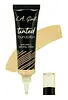 Key Ingredients
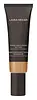
Benefits
Concerns
Ingredients Side-by-side
Water
Skin ConditioningCyclopentasiloxane
Emollient
Ethylhexyl Stearate
Emollient




Isododecane
EmollientDiisostearyl Malate
EmollientTrimethylsiloxysilicate
Emollient
Silica
Abrasive


Glycerin
Humectant


Ethylhexyl Palmitate
Emollient
Lauryl PEG-10 Tris(Trimethylsiloxy)Silylethyl Dimethicone
Emulsifying
Quaternium-90 Bentonite
Bis-Isobutyl PEG/PPG-10/7/Dimethicone Copolymer
Emulsifying
Sodium Chloride
MaskingPolysilicone-11
Phenoxyethanol
Preservative
Propylene Carbonate
SolventTocopheryl Acetate
Antioxidant


Ethylhexylglycerin
Skin ConditioningPanthenol
Skin Conditioning

Carthamus Tinctorius Seed Oil
Masking
Methicone
Emollient
Lecithin
Emollient
Polyhydroxystearic Acid
Emulsifying
Panax Ginseng Root Extract
Emollient
Pentaerythrityl Tetra-Di-T-Butyl Hydroxyhydrocinnamate
Antioxidant
Isopropyl Myristate
Emollient
Isostearic Acid
Cleansing
Polyglyceryl-3 Polyricinoleate
Emulsifying
Laureth-12
EmulsifyingCI 77891
Cosmetic ColorantIron Oxides
Water, Cyclopentasiloxane, Ethylhexyl Stearate, Isododecane, Diisostearyl Malate, Trimethylsiloxysilicate, Silica, Glycerin, Ethylhexyl Palmitate, Lauryl PEG-10 Tris(Trimethylsiloxy)Silylethyl Dimethicone, Quaternium-90 Bentonite, Bis-Isobutyl PEG/PPG-10/7/Dimethicone Copolymer, Sodium Chloride, Polysilicone-11, Phenoxyethanol, Propylene Carbonate, Tocopheryl Acetate, Ethylhexylglycerin, Panthenol, Carthamus Tinctorius Seed Oil, Methicone, Lecithin, Polyhydroxystearic Acid, Panax Ginseng Root Extract, Pentaerythrityl Tetra-Di-T-Butyl Hydroxyhydrocinnamate, Isopropyl Myristate, Isostearic Acid, Polyglyceryl-3 Polyricinoleate, Laureth-12, CI 77891, Iron Oxides
Water
Skin ConditioningEthylhexyl Methoxycinnamate
UV Absorber

Disiloxane
Skin Conditioning
PEG-30 Dipolyhydroxystearate
Emulsifying
Ethylhexyl Salicylate
UV Absorber
C12-15 Alkyl Benzoate
AntimicrobialEthylhexyl Palmitate
Emollient
Glycerin
Humectant
Isohexadecane
EmollientCyclopentasiloxane
Emollient
Methicone
Emollient
PPG-15 Stearyl Ether
EmollientIsopropyl Titanium Triisostearate
Emollient
Boron Nitride
Absorbent
Jojoba Esters
Emollient
Squalane
Emollient
Magnesium Stearate
Cosmetic ColorantPentaerythrityl Tetra-Di-T-Butyl Hydroxyhydrocinnamate
Antioxidant
Disodium EDTA
ChelatingTocopheryl Acetate
Antioxidant
Lauryl PCA
HumectantDipotassium Glycyrrhizate
Humectant
Phenoxyethanol
Preservative
Sodium Dehydroacetate
Preservative
Methylparaben
Preservative
Propylparaben
Preservative
Iron Oxides
CI 77891
Cosmetic ColorantWater, Ethylhexyl Methoxycinnamate, Disiloxane, PEG-30 Dipolyhydroxystearate, Ethylhexyl Salicylate, C12-15 Alkyl Benzoate, Ethylhexyl Palmitate, Glycerin, Isohexadecane, Cyclopentasiloxane, Methicone, PPG-15 Stearyl Ether, Isopropyl Titanium Triisostearate, Boron Nitride, Jojoba Esters, Squalane, Magnesium Stearate, Pentaerythrityl Tetra-Di-T-Butyl Hydroxyhydrocinnamate, Disodium EDTA, Tocopheryl Acetate, Lauryl PCA, Dipotassium Glycyrrhizate, Phenoxyethanol, Sodium Dehydroacetate, Methylparaben, Propylparaben, Iron Oxides, CI 77891
Ingredients Explained
These ingredients are found in both products.
Ingredients higher up in an ingredient list are typically present in a larger amount.
Ci 77891 is a white pigment from Titanium dioxide. It is naturally found in minerals such as rutile and ilmenite.
It's main function is to add a white color to cosmetics. It can also be mixed with other colors to create different shades.
Ci 77891 is commonly found in sunscreens due to its ability to block UV rays.
Learn more about CI 77891Cyclopentasiloxane (D5) is a lightweight silicone that mostly acts as an emollient and solvent in cosmetics. Its the reason your products feel silky, fast-spreading, and non-greasy.
Since D5 is volatile, it does its thing and then evaporates off the skin quickly.
The safety profile of this ingredient is reassuring; the US CIR Expert Panel concluded D5 is safe as used in cosmetics and Health Canada concluded that D5 is not harmful to human health or the environment as currently used in cosmetics
There's a study that people mention about D5 in a rat study showing tumors. This study is related to long-term inhalation of high D5 levels.
Regulatory bodies have judged this study to be not applicable in topical skincare since skin absorption of D5 is very low and we're not really inhaling huge amounts of D5.
The only restriction for this ingredient is environmental. The European Chemicals Agency (ECHA) restricted D5 in wash-off cosmetics at or above 0.1% due to their persistence in water.
Learn more about CyclopentasiloxaneEthylhexyl Palmitate, also known as octyl palmitate, is created from 2-ethylhexyl alcohol and palmitic acid.
In cosmetics, it plays many roles:
One thing worth noting: a controlled study found this ingredient applied under occlusion to acne-prone subjects increased microcomedones. Just keep in mind this was under occlusive conditions and don't reflect how most products are used day-to-day.
For most people, this is a well-tolerated and lightweight ingredient.
This ingredient may not be fungal acne safe because it is an ester of palmitic acid, a C16 fatty acid that falls within the C11-24 range that Malassezia can metabolize.
You'll see this one rated 4 comedogenic all over the internet. That number isn't from a single study, and the actual research is more interesting.
The original rating comes from 1980s rabbit ear tests (which are a shaky basis for anything). But Ethylhexyl Palmitate is one of the few ingredients with real human data behind it. A 2021 controlled trial found this ingredient increased microcomedones by an average of 365% over four weeks.
Just know that test used the pure ingredient under an occlusive pad on back skin; most products use it at much lower levels alongside other ingredients and plenty of people use those with no issue.
Learn more about Ethylhexyl PalmitateGlycerin (or glycerol) is a compound naturally found in your skin. It's a powerhouse humectant that pulls water into the stratum corneum.
Topically, glycerin does several things at once:
Your skin makes glycerin on its own (mostly from sebaceous oil breakdown) and shuttles it to your outermost layer of skin, or your epidermis, via aquaporin-3.
Aquaporin-3 is a transporter that is essential for normal skin hydration, elasticity, and repair. Interestingly, mice lacking in AQP3 have dry and less elastic skin that can be fully corrected with glycerin.
This ingredient is non-irritating, plays well with almost every ingredient, and works across all skin types. Typical use is anywhere between 3-10% but can go up to 79% in some leave-on products.
Just know very high concentrations (>40%) can feel tacky in low humidity.
Glycerin is the name for this ingredient in American English. British English uses Glycerol/Glycerine.
Learn more about GlycerinMethicone is a type of silicone and is a simpler form of dimethicone.
Silicones are used to enhance the texture of products and have emollient properties. Methicone is used to give products a silky texture and improves spreadability.
Pentaerythrityl Tetra-Di-T-Butyl Hydroxyhydrocinnamate (long name, huh?) is a synthetic antioxidant.
It is used to help stabilize other antioxidants or prevent the color from changing in a product.
As an antioxidant, it helps fight free-radical molecules. Free-radical molecules are capable of damaging our cells and other genetic material. Thus, antioxidants may reduce the signs of aging.
This ingredient is oil-soluble.
Learn more about Pentaerythrityl Tetra-Di-T-Butyl HydroxyhydrocinnamatePhenoxyethanol is one of the most widely used preservatives in skincare (and for good reason!).
It has a large spectrum of antimicrobial activity and especially effective bacteria, yeast, and mold while only having a weak effect on your skin's natural microbiome.
On a cellular level, it disrupts the cell membranes of microbes by poking holes that make the cell leak. This shuts down the chemical reactions the microbe needs to make energy so it can no longer survive.
Another perk of this ingredient is that it stays functional across a wide pH range (3-10).
You'll often see it paired with boosters like Ethylhexylglycerin; one study showed that a 1:9 ratio of Ethylhexylglycerin to Phenoxyethanol damages bacterial membranes as effectively as doubling the Phenoxyethanol concentration on its own.
Typical use concentrations range from 0.3-1% depending on the formula, and this ingredient is capped at 1% int the EU.
Safety-wise, the fear mongering does not hold up to the evidence. The EU's Scientific Committee on Consumer Safety and FDA consider it safe as a preservative at up to 1%, including for children of all ages.
Adverse systemic effects only showed up in animal studies at exposures roughly 200x higher than what people get from cosmetics. And despite its very widespread use, this ingredient is a rare sensitizer and allergic reactions are uncommon.
Learn more about PhenoxyethanolTocopheryl Acetate is a stable, shelf-friendly form of vitamin E.
Formulators love it because plain vitamin E oxidizes quickly once it hits air. This acetate version stays stable and resists going off, helping to extend a product's shelf life.
It's actually inactive on its own and works like a slow-release "storage" form; the enzymes in your skin called esterases gradually convert it into active vitamin E over time.
One in vivo study showed 5% of the acetate in the living layer of the epidermis converted to vitamin E after 5 days of application. This study also found the skin gained protection against UV damage even though the conversion was slow and small.
Once converted, vitamin E acts as a skin's main fat-soluble antioxidant that fights free radicals to protect skin from damage.
Topical vitamin E generally boosts the skin's photoprotection, and it reduced UV-damage in animal models.
This ingredient has some brightening potential but it's more of a prevention ingredient than spot-fader. Cell studies show it can slow down melanin production but it's worth noting that it's not the most powerful brightener out there.
Overall, it has a pretty solid safety profile and has been found to be non-irritating and non-comedogenic. Allergic reactions may happen but stay rare due to how widely the ingredient gets used.
The concentration will vary depending on the formula; industry data shows 0.1% in baby lotions, 3% in lipsticks, and 5% in foot powders. You can also find this ingredient at 100% in a pure vitamin E oil.
Most leave-on skincare keeps it at the lower end, often between 0.5-1%.
Learn more about Tocopheryl AcetateWater. It's the most common cosmetic ingredient of all. You'll usually see it at the top of ingredient lists, meaning that it makes up the largest part of the product.
So why is it so popular? Water most often acts as a solvent - this means that it helps dissolve other ingredients into the formulation.
You'll also recognize water as that liquid we all need to stay alive. If you see this, drink a glass of water. Remember to stay hydrated!
Learn more about WaterThis ingredient is a combination of red, black, and yellow iron oxide pigments. This combination of colors is usually found in foundation, because it results in a "skin" color.
The EU typically uses CI numbers for colorants when applicable, such as CI 77489. In the US, iron oxides are regulated as color additives and "iron oxides" is the most commonly used name in US cosmetic practice.
A 2021 paper looked at skincare formulations containing iron oxides and found that they reduced transmission of blue light when measured optically. In simple terms, the pigment particles helped block or scatter part of the visible light spectrum in lab testing and the authors suggest this could translate into better protection against blue-light-related skin effects.
There is also clinical and experimental research showing that tinted products containing iron oxides can reduce visible light-induced pigmentation:
Please note, whether a product reduces visible or blue light depends on things like:
In the EU's CosIng database, iron oxides are only listed as a colorant. CosIng groups ingredients by their main cosmetic role, such as colorant, preservative, or UV filter.
Though studies say iron oxides can "attenuate blue light", they're describing an optical property and not an officially recognized cosmetic function.
So CosIng isn’t contradicting the research. It’s just classifying iron oxides by what they officially are: pigments that add color.
Learn more about Iron Oxides

