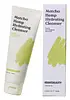
This mild gel cleanser is mild enough to cleanse without leaving skin feeling tight or stripped.
This mild gel cleanser is made to cleanse while calming and soothing your skin.

What's inside
What's inside
 Key Ingredients
Benefits
Concerns
Ingredients Side-by-side
Camellia Sinensis Leaf Water
Masking
Water
Skin ConditioningGlycerin
Humectant


Dipropylene Glycol
HumectantCoco-Betaine
Cleansing
Coco-Glucoside
Cleansing
1,2-Hexanediol
Skin Conditioning
Butylene Glycol
Humectant
Caprylic/Capric Triglyceride
Masking
Methyl Gluceth-10
EmulsifyingXanthan Gum
EmulsifyingCellulose Gum
Emulsion StabilisingBenzyl Glycol
SolventCamellia Sinensis Leaf Powder
Sodium Polyacrylate
Absorbent
Cannabis Sativa Seed Oil
Emollient


Citric Acid
Buffering

Ethylhexylglycerin
Skin ConditioningDisodium EDTA
ChelatingSodium Chloride
MaskingPanthenol
Skin Conditioning

Sodium PCA
Humectant
Camellia Sinensis Leaf Extract
Antimicrobial



Avena Sativa Kernel Extract
Abrasive
Camellia Sinensis Leaf Water, Water, Glycerin, Dipropylene Glycol, Coco-Betaine, Coco-Glucoside, 1,2-Hexanediol, Butylene Glycol, Caprylic/Capric Triglyceride, Methyl Gluceth-10, Xanthan Gum, Cellulose Gum, Benzyl Glycol, Camellia Sinensis Leaf Powder, Sodium Polyacrylate, Cannabis Sativa Seed Oil, Citric Acid, Ethylhexylglycerin, Disodium EDTA, Sodium Chloride, Panthenol, Sodium PCA, Camellia Sinensis Leaf Extract, Avena Sativa Kernel Extract
Water
Skin ConditioningPolyglyceryl-4 Caprate
EmulsifyingGlycerin
Humectant
Acrylates Copolymer
Decyl Glucoside
Cleansing
Lauryl Glucoside
CleansingCoco-Glucoside
Cleansing
1,2-Hexanediol
Skin Conditioning
Betaine
Humectant
Trehalose
Humectant
Ethylhexyl Pelargonate
EmollientBis-Ethoxydiglycol Cyclohexane 1,4-Dicarboxylate
EmollientSea Water
HumectantMalachite Extract
Antioxidant
Dimethyl Sulfone
SolventSea Salt
Abrasive
Tocopherol
Antioxidant

Montmorillonite
AbsorbentCorallina Officinalis Extract
Skin Conditioning

Dipotassium Glycyrrhizate
Humectant
Allantoin
Skin Conditioning
Potassium Cocoyl Glycinate
Surfactant
Tromethamine
BufferingButeth-3
SolventSodium Benzotriazolyl Butylphenol Sulfonate
UV AbsorberIllite
Abrasive
Kaolin
Abrasive
Caprylyl/Capryl Glucoside
CleansingMelia Azadirachta Leaf Extract
Skin ConditioningMelia Azadirachta Flower Extract
Skin ConditioningCoccinia Indica Fruit Extract
Skin Conditioning
Solanum Melongena Fruit Extract
Skin ConditioningAloe Barbadensis Flower Extract
EmollientMalt Extract
Skin ProtectingOcimum Sanctum Leaf Extract
Skin ConditioningCurcuma Longa Root Extract
Antioxidant
Tributyl Citrate
SolventHydroxyacetophenone
Antioxidant
Ethylhexylglycerin
Skin ConditioningWater, Polyglyceryl-4 Caprate, Glycerin, Acrylates Copolymer, Decyl Glucoside, Lauryl Glucoside, Coco-Glucoside, 1,2-Hexanediol, Betaine, Trehalose, Ethylhexyl Pelargonate, Bis-Ethoxydiglycol Cyclohexane 1,4-Dicarboxylate, Sea Water, Malachite Extract, Dimethyl Sulfone, Sea Salt, Tocopherol, Montmorillonite, Corallina Officinalis Extract, Dipotassium Glycyrrhizate, Allantoin, Potassium Cocoyl Glycinate, Tromethamine, Buteth-3, Sodium Benzotriazolyl Butylphenol Sulfonate, Illite, Kaolin, Caprylyl/Capryl Glucoside, Melia Azadirachta Leaf Extract, Melia Azadirachta Flower Extract, Coccinia Indica Fruit Extract, Solanum Melongena Fruit Extract, Aloe Barbadensis Flower Extract, Malt Extract, Ocimum Sanctum Leaf Extract, Curcuma Longa Root Extract, Tributyl Citrate, Hydroxyacetophenone, Ethylhexylglycerin
Reviews
Ingredients Explained
These ingredients are found in both products.
Ingredients higher up in an ingredient list are typically present in a larger amount.
1,2-Hexanediol is a synthetic liquid and another multi-functional powerhouse.
It is a:
- Humectant, drawing moisture into the skin
- Emollient, helping to soften skin
- Solvent, dispersing and stabilizing formulas
- Preservative booster, enhancing the antimicrobial activity of other preservatives
Coco-Glucoside is a surfactant, or a cleansing ingredient. It is made from glucose and coconut oil.
Surfactants help gather dirt, oil, and other pollutants from your skin to be rinsed away.
This ingredient is considered gentle and non-comedogenic. However, it may still be irritating for some.
Learn more about Coco-GlucosideEthylhexylglycerin is created from glycerin. It is a multitasker ingredient that:
The CIR Expert Panel found minimal skin absorption or sensitization of any kind in a safety assessment. Though this ingredient is considered well-tolerated, a small number of cases of allergic dermatitis have been published since 2002. Just be sure to patch test if you are unsure.
Industry-reported use ranges from 8% in rinse-off products and 2% in leave-on formulations.
Learn more about EthylhexylglycerinGlycerin (or glycerol) is a compound naturally found in your skin. It's a powerhouse humectant that pulls water into the stratum corneum.
Topically, glycerin does several things at once:
Your skin makes glycerin on its own (mostly from sebaceous oil breakdown) and shuttles it to your outermost layer of skin, or your epidermis, via aquaporin-3.
Aquaporin-3 is a transporter that is essential for normal skin hydration, elasticity, and repair. Interestingly, mice lacking in AQP3 have dry and less elastic skin that can be fully corrected with glycerin.
This ingredient is non-irritating, plays well with almost every ingredient, and works across all skin types. Typical use is anywhere between 3-10% but can go up to 79% in some leave-on products.
Just know very high concentrations (>40%) can feel tacky in low humidity.
Glycerin is the name for this ingredient in American English. British English uses Glycerol/Glycerine.
Learn more about GlycerinWater. It's the most common cosmetic ingredient of all. You'll usually see it at the top of ingredient lists, meaning that it makes up the largest part of the product.
So why is it so popular? Water most often acts as a solvent - this means that it helps dissolve other ingredients into the formulation.
You'll also recognize water as that liquid we all need to stay alive. If you see this, drink a glass of water. Remember to stay hydrated!
Learn more about Water

