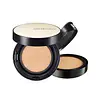
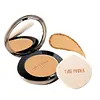
Jung Saem Mool Essential Skin Nuder Cushion Versus Time Phoria Cover-Blur Skin Perfection Powder Foundation


What's inside
What's inside
 Key Ingredients
Benefits
Concerns
No concerns
Ingredients Side-by-side
Water
Skin ConditioningCI 77891
Cosmetic ColorantCyclopentasiloxane
Emollient
Ethylhexyl Methoxycinnamate
UV Absorber


Trimethylsiloxysilicate
Emollient
Ethylhexyl Salicylate
UV Absorber
Glycerin
Humectant


Butylene Glycol
Humectant
PEG-10 Dimethicone
Skin Conditioning
Cetyl Ethylhexanoate
EmollientNiacinamide
Smoothing









Pentylene Glycol
Skin Conditioning
Trisiloxane
Skin Conditioning
CI 77492
Cosmetic ColorantDimethicone
Emollient
Hydrogenated Coconut Oil
Emollient




Caprylyl Methicone
Skin Conditioning
Polypropylsilsesquioxane
Vp/Hexadecene Copolymer
Isododecane
EmollientMagnesium Sulfate
Acrylates/Dimethicone Copolymer
Skin Conditioning
Disteardimonium Hectorite
StabilisingCetyl PEG/PPG-10/1 Dimethicone
Emulsifying
Stearic Acid
Cleansing
Alumina
Abrasive
Aluminum Hydroxide
EmollientSynthetic Fluorphlogopite
Triethoxycaprylylsilane
Ethylhexylglycerin
Skin ConditioningDimethicone Crosspolymer
Emulsion Stabilising
Adenosine
Skin Conditioning
Trisodium Ethylenediamine Disuccinate
Pentaerythrityl Tetra-Di-T-Butyl Hydroxyhydrocinnamate
Antioxidant
Phenoxyethanol
Preservative
Parfum
Masking



CI 77491
Cosmetic ColorantCI 77499
Cosmetic ColorantMica
Cosmetic ColorantWater, CI 77891, Cyclopentasiloxane, Ethylhexyl Methoxycinnamate, Trimethylsiloxysilicate, Ethylhexyl Salicylate, Glycerin, Butylene Glycol, PEG-10 Dimethicone, Cetyl Ethylhexanoate, Niacinamide, Pentylene Glycol, Trisiloxane, CI 77492, Dimethicone, Hydrogenated Coconut Oil, Caprylyl Methicone, Polypropylsilsesquioxane, Vp/Hexadecene Copolymer, Isododecane, Magnesium Sulfate, Acrylates/Dimethicone Copolymer, Disteardimonium Hectorite, Cetyl PEG/PPG-10/1 Dimethicone, Stearic Acid, Alumina, Aluminum Hydroxide, Synthetic Fluorphlogopite, Triethoxycaprylylsilane, Ethylhexylglycerin, Dimethicone Crosspolymer, Adenosine, Trisodium Ethylenediamine Disuccinate, Pentaerythrityl Tetra-Di-T-Butyl Hydroxyhydrocinnamate, Phenoxyethanol, Parfum, CI 77491, CI 77499, Mica
Talc
Abrasive
Mica
Cosmetic ColorantMagnesium/Potassium/Silicon/Fluoride/Hydroxide/Oxide
CI 77891
Cosmetic ColorantSilica
Abrasive
Zinc Stearate
Cosmetic ColorantDiisostearyl Malate
EmollientDimethicone
Emollient
Dipentaerythrityl Hexahydroxystearate/Hexastearate/Hexarosinate
Skin ConditioningLauroyl Lysine
Skin Conditioning
CI 77492
Cosmetic ColorantSqualane
Emollient
Phenyl Trimethicone
Skin Conditioning
Caprylic/Capric Triglyceride
Masking
Copernicia Cerifera Wax
1,2-Hexanediol
Skin Conditioning
Aluminum Hydroxide
EmollientMethicone
Emollient
Hydrogen Dimethicone
Glyceryl Caprylate
EmollientTriethoxycaprylylsilane
CI 77491
Cosmetic ColorantCI 77499
Cosmetic ColorantPhenoxyethanol
Preservative
Talc, Mica, Magnesium/Potassium/Silicon/Fluoride/Hydroxide/Oxide, CI 77891, Silica, Zinc Stearate, Diisostearyl Malate, Dimethicone, Dipentaerythrityl Hexahydroxystearate/Hexastearate/Hexarosinate, Lauroyl Lysine, CI 77492, Squalane, Phenyl Trimethicone, Caprylic/Capric Triglyceride, Copernicia Cerifera Wax, 1,2-Hexanediol, Aluminum Hydroxide, Methicone, Hydrogen Dimethicone, Glyceryl Caprylate, Triethoxycaprylylsilane, CI 77491, CI 77499, Phenoxyethanol
Reviews
Ingredients Explained
These ingredients are found in both products.
Ingredients higher up in an ingredient list are typically present in a larger amount.
Aluminum Hydroxide is a form of aluminum. It can be naturally found in nature as the mineral gibbsite. In cosmetics, Aluminum Hydroxide is used as a colorant, pH adjuster, and absorbent.
As a colorant, Aluminum Hydroxide may add opacity, or reduce the transparency. Aluminum hydroxide is contains both basic and acidic properties.
According to manufacturers, this ingredient is an emollient and humectant. This means it helps hydrate the skin.
In medicine, this ingredient is used to help relieve heartburn and help heal ulcers.
There is currently no credible scientific evidence linking aluminum hydroxide in cosmetics to increased cancer risk.
Major health organizations allow the use of aluminum hydroxide in personal care products and have not flagged it as a carcinogenic risk at typical usage levels.
Learn more about Aluminum HydroxideCi 77491 is also hydrated iron III oxide. It's sole purpose is to give a red/pink hue to products.
Iron III oxides are classified as inorganic chemicals for coloring.
Synthetically created Ci 77491 is considered safer than those naturally found. This is because the synthetically created version may contain less impurities. Iron oxides are generally non-toxic and non-allergenic.
Learn more about CI 77491CI 77492 is also hydrated iron III oxide. It's sole purpose is to give a yellow hue to products.
Iron III oxides are classified as inorganic chemicals for coloring.
Synthetically created CI 77492 is considered safer than those naturally found. This is because the synthetically created version may contain less impurities. Iron oxides are generally non-toxic and non-allergenic.
Learn more about CI 77492Ci 77499 is also hydrated iron III oxide. It is created from mixing red and black iron oxides. This helps give shades of darkness to a product.
Iron III oxides are classified as inorganic chemicals for coloring.
Ci 77891 is a white pigment from Titanium dioxide. It is naturally found in minerals such as rutile and ilmenite.
It's main function is to add a white color to cosmetics. It can also be mixed with other colors to create different shades.
Ci 77891 is commonly found in sunscreens due to its ability to block UV rays.
Learn more about CI 77891Dimethicone is a type of synthetic silicone created from natural materials such as quartz. It is also known as polydimethylsiloxane.
What it does:
Dimethicone comes in different viscosities:
Depending on the viscosity, dimethicone has different properties.
Ingredients lists don't always show which type is used, so we recommend reaching out to the brand if you have questions about the viscosity.
This ingredient is unlikely to cause irritation because it does not get absorbed into skin. However, people with silicone allergies should be careful about using this ingredient.
Note: Dimethicone may contribute to pilling. This is because it is not oil or water soluble, so pilling may occur when layered with products. When mixed with heavy oils in a formula, the outcome is also quite greasy.
Learn more about DimethiconeMica is a naturally occurring mineral used to add shimmer and color in cosmetics. It can also help improve the texture of a product or give it an opaque, white/silver color.
Serecite is the name for very fine but ragged grains of mica.
This ingredient is often coated with metal oxides like titanium dioxide. Trace amounts of heavy metals may be found in mica, but these metals are not harmful in our personal products.
Mica has been used since prehistoric times throughout the world. Ancient Egyptian, Indian, Greek, Roman, Aztec, and Chinese civilizations have used mica.
Learn more about MicaPhenoxyethanol is a preservative that has germicide, antimicrobial, and aromatic properties. Studies show that phenoxyethanol can prevent microbial growth. By itself, it has a scent that is similar to that of a rose.
It's often used in formulations along with Caprylyl Glycol to preserve the shelf life of products.
Triethoxycaprylylsilane is a silicon-based surface modifier that makes sunscreens feel silky and makeup stay put.
Its main job is to coat mineral particles like titanium dioxide, zinc oxide, and color pigments in a thin, oily layer so they spread smoothly, don't clump, and stick to skin better.
This ingredient is typically used at low levels (up to 2.5% in eyeshadow and 1% in lipstick).
Learn more about Triethoxycaprylylsilane
