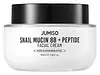
This barrier-repair moisturizer is formulated around Snail Secretion Filtrate and Niacinamide to strengthen the skin barrier and soften the look of wrinkles.
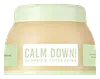
This calming moisturizer is formulated around Panthenol and Madecassoside to calm redness and strengthen the skin barrier.


What's inside
What's inside
 Key Ingredients
Benefits
Concerns
Ingredients Side-by-side
Snail Secretion Filtrate 88%
Skin Conditioning





Niacinamide
Smoothing







Cetearyl Olivate


Sorbitan Olivate
Emulsifying
Caprylic/Capric Triglyceride
Masking
Betaine
Humectant
Cetearyl Alcohol
Emollient



Butylene Glycol
Humectant
Water
Skin ConditioningTriethylhexanoin
MaskingPhenoxyethanol
Preservative
Cyclohexasiloxane
Emollient
Carbomer
Emulsion StabilisingEthyl Hexanediol
SolventArginine
Masking
Allantoin
Skin Conditioning
Sodium Polyacrylate
Absorbent
Sodium Hyaluronate
Humectant
Dimethicone/Vinyl Dimethicone Crosspolymer
Skin Conditioning
Xanthan Gum
EmulsifyingPanthenol
Skin Conditioning
Adenosine
Skin Conditioning
1,2-Hexanediol
Skin Conditioning
Copper Tripeptide-1
Skin Conditioning
Palmitoyl Pentapeptide-4
Skin Conditioning
Acetyl Hexapeptide-8
Humectant
Palmitoyl Tripeptide-1
Skin Conditioning
Palmitoyl Tetrapeptide-7
Skin Conditioning
Snail Secretion Filtrate 88%, Niacinamide, Cetearyl Olivate, Sorbitan Olivate, Caprylic/Capric Triglyceride, Betaine, Cetearyl Alcohol, Butylene Glycol, Water, Triethylhexanoin, Phenoxyethanol, Cyclohexasiloxane, Carbomer, Ethyl Hexanediol, Arginine, Allantoin, Sodium Polyacrylate, Sodium Hyaluronate, Dimethicone/Vinyl Dimethicone Crosspolymer, Xanthan Gum, Panthenol, Adenosine, 1,2-Hexanediol, Copper Tripeptide-1, Palmitoyl Pentapeptide-4, Acetyl Hexapeptide-8, Palmitoyl Tripeptide-1, Palmitoyl Tetrapeptide-7
Water
Skin ConditioningGlycerin
Humectant
Dicaprylyl Ether
Emollient
Butylene Glycol
Humectant
Hydrogenated Ethylhexyl Olivate
EmollientPentylene Glycol
Skin Conditioning
1,2-Hexanediol
Skin Conditioning
Panthenol
Skin Conditioning
Hydrogenated Polydecene
EmollientSaccharide Isomerate
Humectant
Hydroxyethyl Acrylate/Sodium Acryloyldimethyl Taurate Copolymer
Emulsion StabilisingAcrylates/C10-30 Alkyl Acrylate Crosspolymer
Emulsion StabilisingPolymethylsilsesquioxane
Hydrogenated Olive Oil Unsaponifiables
Emollient
Boron Nitride
Absorbent
Madecassoside
Antioxidant
Aloe Barbadensis Leaf Extract
Emollient
Allantoin
Skin Conditioning
Artemisia Vulgaris Extract
Skin Conditioning
Astrocaryum Murumuru Seed Butter
Emollient
Glyceryl Acrylate/Acrylic Acid Copolymer
HumectantTromethamine
BufferingEthylhexylglycerin
Skin ConditioningXanthan Gum
EmulsifyingDipotassium Glycyrrhizate
Humectant
Sodium Phytate
ChelatingCeramide NP
Skin Conditioning
Sodium Citrate
BufferingCitric Acid
Buffering
Sea Water
HumectantPropanediol
Solvent
Tocopherol
Antioxidant
Emiliania Huxleyi Extract
Skin ConditioningWater, Glycerin, Dicaprylyl Ether, Butylene Glycol, Hydrogenated Ethylhexyl Olivate, Pentylene Glycol, 1,2-Hexanediol, Panthenol, Hydrogenated Polydecene, Saccharide Isomerate, Hydroxyethyl Acrylate/Sodium Acryloyldimethyl Taurate Copolymer, Acrylates/C10-30 Alkyl Acrylate Crosspolymer, Polymethylsilsesquioxane, Hydrogenated Olive Oil Unsaponifiables, Boron Nitride, Madecassoside, Aloe Barbadensis Leaf Extract, Allantoin, Artemisia Vulgaris Extract, Astrocaryum Murumuru Seed Butter, Glyceryl Acrylate/Acrylic Acid Copolymer, Tromethamine, Ethylhexylglycerin, Xanthan Gum, Dipotassium Glycyrrhizate, Sodium Phytate, Ceramide NP, Sodium Citrate, Citric Acid, Sea Water, Propanediol, Tocopherol, Emiliania Huxleyi Extract
Reviews
Ingredients Explained
These ingredients are found in both products.
Ingredients higher up in an ingredient list are typically present in a larger amount.
1,2-Hexanediol is a synthetic liquid and another multi-functional powerhouse.
It is a:
- Humectant, drawing moisture into the skin
- Emollient, helping to soften skin
- Solvent, dispersing and stabilizing formulas
- Preservative booster, enhancing the antimicrobial activity of other preservatives
Allantoin is a soothing ingredient known for its protective and moisturizing properties; it's basically a quiet workhorse ingredient you can find in a huge range of cosmetics.
Though it can be derived from the comfrey plant, allantoin is produced synthetically for cosmetic products to ensure purity.
Research shows it can encourage your skin cells to turn over and renew by stimulating keratinocyte and fibroblast proliferation.
It also has mild keratolytic properties to help loosen and shed dead skin cells without being harsh.
Studies also suggest allantoin can help calm inflammation by dialing down some of the chemical signals your skin sends out when it is irritated.
This ingredient is typically used in the 0.1-0.5% range, and the FDA recognizes it as a skin protectant in OTC products up to 2%.
Overall, allantoin is a wonderful addition to most routines; it is stable across a wide pH range (~4-8), works well with other ingredients, and is considered non-sensitizing/non-irritating.
Fun fact: Allantoin is naturally occurring in comfrey root, beets, chamomile, and wheat sprouts. Our bodies even produce it as a byproduct of uric acid metabolism.
Learn more about AllantoinButylene Glycol (or BG) is used within cosmetic products for a few different reasons:
Overall, Butylene Glycol is a safe and well-rounded ingredient that works well with other ingredients.
Though this ingredient works well with most skin types, some people with sensitive skin may experience a reaction such as allergic rashes, closed comedones, or itchiness.
Learn more about Butylene GlycolPanthenol is a common ingredient that helps hydrate and soothe the skin. It is found naturally in our skin and hair.
There are two forms of panthenol: D and L.
D-panthenol is also known as dexpanthenol. Most cosmetics use dexpanthenol or a mixture of D and L-panthenol.
Panthenol is famous due to its ability to go deeper into the skin's layers. Using this ingredient has numerous pros (and no cons):
Like hyaluronic acid, panthenol is a humectant. Humectants are able to bind and hold large amounts of water to keep skin hydrated.
This ingredient works well for wound healing. It works by increasing tissue in the wound and helps close open wounds.
Once oxidized, panthenol converts to pantothenic acid. Panthothenic acid is found in all living cells.
This ingredient is also referred to as pro-vitamin B5.
Learn more about PanthenolWater. It's the most common cosmetic ingredient of all. You'll usually see it at the top of ingredient lists, meaning that it makes up the largest part of the product.
So why is it so popular? Water most often acts as a solvent - this means that it helps dissolve other ingredients into the formulation.
You'll also recognize water as that liquid we all need to stay alive. If you see this, drink a glass of water. Remember to stay hydrated!
Learn more about WaterXanthan gum is used as a stabilizer and thickener within cosmetic products. It helps give products a sticky, thick feeling - preventing them from being too runny.
On the technical side of things, xanthan gum is a polysaccharide - a combination consisting of multiple sugar molecules bonded together.
Xanthan gum is a pretty common and great ingredient. It is a natural, non-toxic, non-irritating ingredient that is also commonly used in food products.
Learn more about Xanthan Gum

