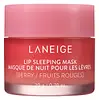
This hydrating lip mask is formulated around Butyrospermum Parkii Butter to hydrate lips and strengthen the lip barrier.


What's inside
What's inside
 Key Ingredients
Benefits
Concerns
Ingredients Side-by-side
Polybutene
Phenyl Trimethicone
Skin Conditioning
Caprylic/Capric Triglyceride
Masking


Diisostearyl Malate
EmollientPolyglyceryl-2 Isostearate/Dimer Dilinoleate Copolymer
EmollientHydrogenated Styrene/Methylstyrene/Indene Copolymer
Microcrystalline Wax
Emulsion StabilisingTribehenin
Emollient

Silica Dimethyl Silylate
EmollientHydrogenated Polyisobutene
EmollientPolyglyceryl-2 Triisostearate
Emulsifying
Polyglyceryl-2 Diisostearate
Emulsifying
Calcium Titanium Borosilicate
Abrasive
Polyhydroxystearic Acid
Emulsifying
Citrus Aurantium Bergamia Fruit Oil
Masking



Citrus Nobilis Peel Oil
Masking
Lecithin
Emollient
Ethylhexyl Palmitate
Emollient


Isopropyl Myristate
Emollient
Isostearic Acid
Cleansing
Polyglyceryl-3 Polyricinoleate
Emulsifying
Tin Oxide
Abrasive
Sorbeth-30 Tetraisostearate
Emulsifying
Palmitoyl Tripeptide-1
Skin Conditioning



CI 77891
Cosmetic ColorantCI 77492
Cosmetic ColorantCI 15850
Cosmetic ColorantMica
Cosmetic ColorantCI 77499
Cosmetic ColorantCI 77491
Cosmetic ColorantCI 19140
Cosmetic ColorantPolybutene, Phenyl Trimethicone, Caprylic/Capric Triglyceride, Diisostearyl Malate, Polyglyceryl-2 Isostearate/Dimer Dilinoleate Copolymer, Hydrogenated Styrene/Methylstyrene/Indene Copolymer, Microcrystalline Wax, Tribehenin, Silica Dimethyl Silylate, Hydrogenated Polyisobutene, Polyglyceryl-2 Triisostearate, Polyglyceryl-2 Diisostearate, Calcium Titanium Borosilicate, Polyhydroxystearic Acid, Citrus Aurantium Bergamia Fruit Oil, Citrus Nobilis Peel Oil, Lecithin, Ethylhexyl Palmitate, Isopropyl Myristate, Isostearic Acid, Polyglyceryl-3 Polyricinoleate, Tin Oxide, Sorbeth-30 Tetraisostearate, Palmitoyl Tripeptide-1, CI 77891, CI 77492, CI 15850, Mica, CI 77499, CI 77491, CI 19140
Diisostearyl Malate
EmollientHydrogenated Polyisobutene
EmollientPhytosteryl/Isostearyl/Cetyl/Stearyl/Behenyl Dimer Dilinoleate
Skin Conditioning
Hydrogenated Poly(C6-14 Olefin)
EmollientPolybutene
Cera Microcristallina
Emulsion StabilisingButyrospermum Parkii Butter
Skin Conditioning
Synthetic Wax
Abrasive
Ethylene/Propylene/Styrene Copolymer
Sucrose Tetrastearate Triacetate
Emollient
Mica
Cosmetic ColorantEuphorbia Cerifera Cera
Astringent
Candelilla Wax Esters
Astrocaryum Murumuru Seed Butter
Emollient
CI 77891
Cosmetic ColorantParfum
Masking
Glyceryl Caprylate
EmollientPolyglyceryl-2 Diisostearate
Emulsifying
Butylene/Ethylene/Styrene Copolymer
Copernicia Cerifera Cera
Emollient
Methicone
Emollient
Polyglyceryl-2 Triisostearate
Emulsifying
Cocos Nucifera Oil
Masking
CI 15985
Cosmetic ColorantPentaerythrityl Tetra-Di-T-Butyl Hydroxyhydrocinnamate
Antioxidant
CI 15850
Cosmetic ColorantAscorbic Acid
Antioxidant


Water
Skin ConditioningGlycerin
Humectant
Propanediol
Solvent
BHT
Antioxidant
Punica Granatum Fruit Juice
MaskingRubus Idaeus Juice
AstringentVitis Vinifera Juice
Antioxidant
Diisostearyl Malate, Hydrogenated Polyisobutene, Phytosteryl/Isostearyl/Cetyl/Stearyl/Behenyl Dimer Dilinoleate, Hydrogenated Poly(C6-14 Olefin), Polybutene, Cera Microcristallina, Butyrospermum Parkii Butter, Synthetic Wax, Ethylene/Propylene/Styrene Copolymer, Sucrose Tetrastearate Triacetate, Mica, Euphorbia Cerifera Cera, Candelilla Wax Esters, Astrocaryum Murumuru Seed Butter, CI 77891, Parfum, Glyceryl Caprylate, Polyglyceryl-2 Diisostearate, Butylene/Ethylene/Styrene Copolymer, Copernicia Cerifera Cera, Methicone, Polyglyceryl-2 Triisostearate, Cocos Nucifera Oil, CI 15985, Pentaerythrityl Tetra-Di-T-Butyl Hydroxyhydrocinnamate, CI 15850, Ascorbic Acid, Water, Glycerin, Propanediol, BHT, Punica Granatum Fruit Juice, Rubus Idaeus Juice, Vitis Vinifera Juice
Reviews
Ingredients Explained
These ingredients are found in both products.
Ingredients higher up in an ingredient list are typically present in a larger amount.
Ci 15850 is the pigment color red. It is an azo dye and created synthetically.
Azo dyes need to be thoroughly purified before use. This allows them to be more stable and longer-lasting.
This ingredient is common in foundations, lipsticks, and blushes. This color is described as brown/orangey red.
It has many secondary names such as Red 6 and Red 7. According to a manufacturer, Red 6 usually contains aluminum.
Learn more about CI 15850Ci 77891 is a white pigment from Titanium dioxide. It is naturally found in minerals such as rutile and ilmenite.
It's main function is to add a white color to cosmetics. It can also be mixed with other colors to create different shades.
Ci 77891 is commonly found in sunscreens due to its ability to block UV rays.
Learn more about CI 77891Diisostearyl Malate is an emollient and most often used in lip products. It comes from isostearyl alcohol, a fatty acid, and malic acid, an AHA.
As an emollient, Diisostearyl Malate helps create a thin film on your skin to trap moisture in. This helps keep your skin soft and smooth.
Hydrogenated Polyisobutene is a synthetic polymer. Polymers are compounds with high molecular weight. Hydrogenated Polyisobutene is an emollient and texture enhancer.
In one study, Hydrogenated Polyisobutene showed better skin hydration levels than Caprylic/Capric Triglyceride. As an emollient, it helps keep your skin soft and hydrated by trapping moisture in.
Hydrogenated Polyisobutene is often used as a mineral oil replacement.
Learn more about Hydrogenated PolyisobuteneMica is a naturally occurring mineral used to add shimmer and color in cosmetics. It can also help improve the texture of a product or give it an opaque, white/silver color.
Serecite is the name for very fine but ragged grains of mica.
This ingredient is often coated with metal oxides like titanium dioxide. Trace amounts of heavy metals may be found in mica, but these metals are not harmful in our personal products.
Mica has been used since prehistoric times throughout the world. Ancient Egyptian, Indian, Greek, Roman, Aztec, and Chinese civilizations have used mica.
Learn more about MicaPolybutene is used to help control the viscosity of a product. This just means it helps adjusts the texture.
It is a polymer and does not get absorbed into the skin due to its large size.
Studies found this ingredient did not irritate skin in concentrations below 15%.
Learn more about PolybutenePolyglyceryl-2 Diisostearate isn't fungal acne safe.
Polyglyceryl-2 Triisostearate is a plant-derived emulsifier and pigment-dispersing agent with a non-sticky skin feel.
It helps products glide on smoothly and prevents oil and water from separating in a formula, making it suitable for sunscreen and makeup formulations.
The EU inventory of cosmetics has no use restrictions on this ingredient and it is considered well-tolerated.
This ingredient may not be fungal acne safe because it is derived from isostearic acid.
Learn more about Polyglyceryl-2 Triisostearate

