Jayjun Cosmetic Real Water Brightening Black Hydro Sleeping Mask Versus Nobody's Nobody Glass Skin Overnight Hydration Mask
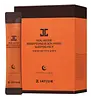
This hydrating overnight mask is formulated around Panthenol and Sodium Hyaluronate to hydrate skin and soften the look of wrinkles.
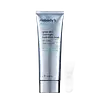
This hydrating overnight mask is formulated around Aloe Barbadensis Leaf Juice and Hyaluronic Acid to hydrate skin and calm redness.


What's inside
What's inside
 Key Ingredients
Benefits
Concerns
Ingredients Side-by-side
Water
Skin ConditioningGlycerin
Humectant


Butylene Glycol
Humectant
1,2-Hexanediol
Skin Conditioning
Propanediol
Solvent
Sodium Acrylate/Sodium Acryloyldimethyl Taurate Copolymer
Emulsion StabilisingDimethicone
Emollient
PEG-40 Stearate
Emulsifying

Isohexadecane
EmollientButylene Glycol Dicaprylate/Dicaprate
EmollientHydroxyethyl Urea
Humectant
Panthenol
Skin Conditioning

Sea Water
HumectantHexyl Laurate
Emollient
Polymethylsilsesquioxane
Stearyl Dimethicone
Emollient
Steareth-21
CleansingCaprylyl Glycol
Emollient
Glyceryl Caprylate
EmollientSodium Hyaluronate
Humectant

Hydroxypropyltrimonium Hyaluronate
Hydrolyzed Hyaluronic Acid
Humectant
Sodium Acetylated Hyaluronate
Humectant
Hyaluronic Acid
Humectant
Hydrolyzed Sodium Hyaluronate
Skin Conditioning
Sodium Hyaluronate Crosspolymer
Humectant
Potassium Hyaluronate
Skin ConditioningDipeptide Diaminobutyroyl Benzylamide Diacetate
Skin Conditioning
Palmitoyl Tripeptide-5
Skin Conditioning
Copper Tripeptide-1
Skin Conditioning
Acetyl Hexapeptide-8
Humectant
Palmitoyl Pentapeptide-4
Skin Conditioning
Palmitoyl Tripeptide-1
Skin Conditioning
Palmitoyl Tetrapeptide-7
Skin Conditioning
Oligopeptide-32
Antiseborrhoeic
Oligopeptide-29
Antioxidant
Sodium Polyacrylate
Absorbent
Glutathione


Polyglutamic Acid
Skin Conditioning
Macadamia Ternifolia Seed Oil
Emollient
Sorbitan Oleate
Emulsifying

Caprylic/Capric Triglyceride
Masking
Ceramide NP
Skin Conditioning
Hydrogenated Lecithin
Emulsifying
Ethylhexylglycerin
Skin ConditioningPolysorbate 80
Emulsifying
Adenosine
Skin Conditioning
Disodium EDTA
Parfum
Masking


Water, Glycerin, Butylene Glycol, 1,2-Hexanediol, Propanediol, Sodium Acrylate/Sodium Acryloyldimethyl Taurate Copolymer, Dimethicone, PEG-40 Stearate, Isohexadecane, Butylene Glycol Dicaprylate/Dicaprate, Hydroxyethyl Urea, Panthenol, Sea Water, Hexyl Laurate, Polymethylsilsesquioxane, Stearyl Dimethicone, Steareth-21, Caprylyl Glycol, Glyceryl Caprylate, Sodium Hyaluronate, Hydroxypropyltrimonium Hyaluronate, Hydrolyzed Hyaluronic Acid, Sodium Acetylated Hyaluronate, Hyaluronic Acid, Hydrolyzed Sodium Hyaluronate, Sodium Hyaluronate Crosspolymer, Potassium Hyaluronate, Dipeptide Diaminobutyroyl Benzylamide Diacetate, Palmitoyl Tripeptide-5, Copper Tripeptide-1, Acetyl Hexapeptide-8, Palmitoyl Pentapeptide-4, Palmitoyl Tripeptide-1, Palmitoyl Tetrapeptide-7, Oligopeptide-32, Oligopeptide-29, Sodium Polyacrylate, Glutathione, Polyglutamic Acid, Macadamia Ternifolia Seed Oil, Sorbitan Oleate, Caprylic/Capric Triglyceride, Ceramide NP, Hydrogenated Lecithin, Ethylhexylglycerin, Polysorbate 80, Adenosine, Disodium EDTA, Parfum
Water
Skin ConditioningAloe Barbadensis Leaf Juice
Skin Conditioning
Propanediol
Solvent
Butylene Glycol
Humectant
Glycerin
Humectant
Isoamyl Laurate
Emollient
Polyacrylate Crosspolymer-6
Emulsion StabilisingAllantoin
Skin Conditioning
Hyaluronic Acid
Humectant
Rice Ferment Filtrate
Skin Conditioning
Panthenol
Skin Conditioning
Macrocystis Pyrifera Extract
Skin Conditioning
Cucumis Sativus Fruit Extract
Emollient
Phenoxyethanol
Preservative
Caprylyl Glycol
Emollient
Citric Acid
Buffering
Reviews
Ingredients Explained
These ingredients are found in both products.
Ingredients higher up in an ingredient list are typically present in a larger amount.
Butylene Glycol (or BG) is used within cosmetic products for a few different reasons:
Overall, Butylene Glycol is a safe and well-rounded ingredient that works well with other ingredients.
Though this ingredient works well with most skin types, some people with sensitive skin may experience a reaction such as allergic rashes, closed comedones, or itchiness.
Learn more about Butylene GlycolCaprylyl Glycol is a humectant, skin conditioner, emollient, and preservative booster derived from either caprylic acid or synthetically created.
Typical use levels vary from 0.3-1% as a preservative booster and go up to 2% to condition skin.
Because it is not a free-fatty acid, this ingredient is fungal acne safe (there's nothing for Malassezia to feed on).
Learn more about Caprylyl GlycolGlycerin (or glycerol) is a compound naturally found in your skin. It's a powerhouse humectant that pulls water into the stratum corneum.
Topically, glycerin does several things at once:
Your skin makes glycerin on its own (mostly from sebaceous oil breakdown) and shuttles it to your outermost layer of skin, or your epidermis, via aquaporin-3.
Aquaporin-3 is a transporter that is essential for normal skin hydration, elasticity, and repair. Interestingly, mice lacking in AQP3 have dry and less elastic skin that can be fully corrected with glycerin.
This ingredient is non-irritating, plays well with almost every ingredient, and works across all skin types. Typical use is anywhere between 3-10% but can go up to 79% in some leave-on products.
Just know very high concentrations (>40%) can feel tacky in low humidity.
Glycerin is the name for this ingredient in American English. British English uses Glycerol/Glycerine.
Learn more about GlycerinHyaluronic acid (HA) is a glycosaminoglycan (basically a long sugar chain) that your skin already makes on its own. In your skin, HA lives in the extracellular matrix and acts as the body's moisture reservoir.
Topically, HA is a humectant that binds water and helps skin look more plump, smooth, and hydrated.
The only catch is that HA isn't a single thing; it actually comes in a wide range of molecular weights (~50 - 2,000+ kDA) and size matters.
Some clinical evidence links low molecular weight versions to improved wrinkle depth, elasticity, anti-inflammatory effects, and barrier repair.
This is why the best HA serums blend the two sizes together so you get the best of both worlds.
The majority of cosmetic HA is produced by bacterial fermentation, typically using Streptococcus or Bacillus strains. Typical use levels in skincare sit around 0.1-2%.
A clinical study using a 0.2% low-molecular weight HA gel showed improvement in facial seborrheic dermatitis with excellent tolerance.
These are some other common types of Hyaluronic Acid:
Learn more about Hyaluronic AcidPanthenol is a common ingredient that helps hydrate and soothe the skin. It is found naturally in our skin and hair.
There are two forms of panthenol: D and L.
D-panthenol is also known as dexpanthenol. Most cosmetics use dexpanthenol or a mixture of D and L-panthenol.
Panthenol is famous due to its ability to go deeper into the skin's layers. Using this ingredient has numerous pros (and no cons):
Like hyaluronic acid, panthenol is a humectant. Humectants are able to bind and hold large amounts of water to keep skin hydrated.
This ingredient works well for wound healing. It works by increasing tissue in the wound and helps close open wounds.
Once oxidized, panthenol converts to pantothenic acid. Panthothenic acid is found in all living cells.
This ingredient is also referred to as pro-vitamin B5.
Learn more about PanthenolPropanediol is an all-star ingredient. It softens, hydrates, and smooths the skin.
It’s often used to:
Propanediol is not likely to cause sensitivity and considered safe to use. It is derived from corn or petroleum with a clear color and no scent.
Learn more about PropanediolWater. It's the most common cosmetic ingredient of all. You'll usually see it at the top of ingredient lists, meaning that it makes up the largest part of the product.
So why is it so popular? Water most often acts as a solvent - this means that it helps dissolve other ingredients into the formulation.
You'll also recognize water as that liquid we all need to stay alive. If you see this, drink a glass of water. Remember to stay hydrated!
Learn more about Water

