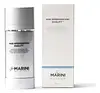
This acne treatment is formulated around Benzoyl Peroxide and Retinol to clear breakouts and soften the look of wrinkles.
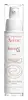
This anti-aging treatment is formulated around Retinal to soften the look of wrinkles and refine skin texture.


What's inside
What's inside
 Key Ingredients
Benefits
Concerns
Ingredients Side-by-side
Benzoyl Peroxide 10%





Water
Skin ConditioningPropylene Glycol
Humectant
Glycerin
Humectant

Sorbitol
Humectant
Polyacrylamide
C13-14 Isoparaffin
Emollient
Cyclopentasiloxane
Emollient
Cyclohexasiloxane
Emollient
Carbomer
Emulsion StabilisingLaureth-7
EmulsifyingTriethanolamine
BufferingDisodium EDTA
ChelatingDiazolidinyl Urea
Preservative
Methylparaben
Preservative

Propylparaben
Preservative
Caprylic/Capric Triglyceride
Masking
Glyceryl Stearate
Emollient
Polysorbate 20
Emulsifying
Carthamus Tinctorius Seed Oil
Masking
Polysorbate 60
Emulsifying
Stearic Acid
Cleansing
Butyrospermum Parkii Butter
Skin Conditioning
Stearyl Alcohol
Emollient
Retinol
Skin Conditioning






Myristoyl Tripeptide-4
Skin Conditioning
Bisabolol
Antioxidant


Sodium Hyaluronate
Humectant
Camellia Oleifera Leaf Extract
AstringentPalmitoyl Tetrapeptide-7
Skin Conditioning
Palmitoyl Oligopeptide
Cleansing
Chrysin
Skin ConditioningDimethicone
Emollient
Dimethicone/Vinyl Dimethicone Crosspolymer
Skin Conditioning
Glyceryl Acrylate/Acrylic Acid Copolymer
HumectantSteareth-20
CleansingN-Hydroxysuccinimide
Skin ConditioningHexylene Glycol
EmulsifyingEthylhexylglycerin
Skin ConditioningCaprylyl Glycol
Emollient
BHT
Antioxidant
Phenoxyethanol
Preservative
Benzoyl Peroxide 10%, Water, Propylene Glycol, Glycerin, Sorbitol, Polyacrylamide, C13-14 Isoparaffin, Cyclopentasiloxane, Cyclohexasiloxane, Carbomer, Laureth-7, Triethanolamine, Disodium EDTA, Diazolidinyl Urea, Methylparaben, Propylparaben, Caprylic/Capric Triglyceride, Glyceryl Stearate, Polysorbate 20, Carthamus Tinctorius Seed Oil, Polysorbate 60, Stearic Acid, Butyrospermum Parkii Butter, Stearyl Alcohol, Retinol, Myristoyl Tripeptide-4, Bisabolol, Sodium Hyaluronate, Camellia Oleifera Leaf Extract, Palmitoyl Tetrapeptide-7, Palmitoyl Oligopeptide, Chrysin, Dimethicone, Dimethicone/Vinyl Dimethicone Crosspolymer, Glyceryl Acrylate/Acrylic Acid Copolymer, Steareth-20, N-Hydroxysuccinimide, Hexylene Glycol, Ethylhexylglycerin, Caprylyl Glycol, BHT, Phenoxyethanol
Water
Skin ConditioningCaprylic/Capric Triglyceride
Masking
Paraffinum Liquidum
Emollient
Glyceryl Stearate
Emollient
PEG-100 Stearate
Surfactant
Squalane
Emollient
Propylene Glycol
Humectant
Microcrystalline Wax
Emulsion StabilisingPEG-40 Hydrogenated Castor Oil
Emulsifying
BHT
Antioxidant
Caprylyl Glycol
Emollient
Carbomer
Emulsion StabilisingDisodium EDTA
ChelatingOleoyl Dipeptide-15
Skin Conditioning
Oleoyl Tetrapeptide-31
Antioxidant
CI 17200
Cosmetic ColorantRetinal
Skin Conditioning
Tocopheryl Glucoside
EmollientTriethanolamine
BufferingWater, Caprylic/Capric Triglyceride, Paraffinum Liquidum, Glyceryl Stearate, PEG-100 Stearate, Squalane, Propylene Glycol, Microcrystalline Wax, PEG-40 Hydrogenated Castor Oil, BHT, Caprylyl Glycol, Carbomer, Disodium EDTA, Oleoyl Dipeptide-15, Oleoyl Tetrapeptide-31, CI 17200, Retinal, Tocopheryl Glucoside, Triethanolamine
Ingredients Explained
These ingredients are found in both products.
Ingredients higher up in an ingredient list are typically present in a larger amount.
BHT is a synthetic antioxidant and preservative.
As an antioxidant, it helps your body fight off free-radicals. Free-radicals are molecules that may damage your skin cells.
As a preservative, it is used to stabilize products and prevent them from degrading. Specifically, BHT prevents degradation from oxidation.
The concerns related to BHT come from oral studies; this ingredient is currently allowed for use by both the FDA and EU.
However, it was recently restricted for use in the UK as of April 2024.
Learn more about BHTCaprylic/Capric Triglyceride (aka MCT Oil) is a lightweight emollient, solvent, and texture enhancer. It is considered a skin-softener by helping to prevent moisture loss.
Though it behaves like an oil, it is not technically one due to its chemical composition. One perk of this ingredient is that it is very stable, resistant to oxidation, and unlikely to go rancid.
In practice, that translates to a long shelf life and a consistently elegant skin feel.
While there is an assumption Caprylic Triglyceride can clog pores due to it being derived from coconut oil, there is no research supporting this. Just patch test if you have concerns.
Fractionated coconut oil and MCT Oil are both listed as Caprylic/Capric Triglyceride according to INCI. This is because INCI names are based on the ingredient’s final chemical composition and not its marketing name or source.
This ingredient is treated as the gold standard fungal acne safe oil. Even though it is coconut derived, the problematic lauric acid is stripped out.
This leaves just caprylic (C8) and capric (C10) acid. These chain lengths actually trend antifungal; a 2020 study found caprylic acid was enough to disrupt Malassezia furfur cell membrane, with a caprylic acid derivative damaging membrane structures at concentrations as low as 0.2%.
Learn more about Caprylic/Capric TriglycerideCaprylyl Glycol is a humectant, skin conditioner, emollient, and preservative booster derived from either caprylic acid or synthetically created.
Typical use levels vary from 0.3-1% as a preservative booster and go up to 2% to condition skin.
Because it is not a free-fatty acid, this ingredient is fungal acne safe (there's nothing for Malassezia to feed on).
Learn more about Caprylyl GlycolCarbomer is a synthetic thickening and gelling agent. It's basically the ingredient that gives a lot of serums, gels, creams, and sunscreens their smooth, non-sticky texture.
Although legally permitted at very high levels, carbomers are normally used at concentrations below 1%.
It also needs to be neutralized to actually thicken, and because it is a large molecule, it doesn't really penetrate the skin barrier.
Allergy-wise, the risk is very low. Clinical studies show carbomers have low potential for skin irritation/sensitization even at concentrations up to 100%.
A 2024 UK study patch-tested 1,302 patients and found true allergy to the parent group of carbomer to be rare with no confirmed relevant reactions.
Learn more about CarbomerDisodium EDTA is a chelating agent. It grabs onto and deactivates metal ions that sneak into your products from water, packaging, or air.
This ingredient mainly works behind the scenes and helps with:
On top of that, this ingredient can counteract the effects of hard water by binding to the minerals in it.
One thing worth knowing is that Disodium EDTA has been shown to be a mild penetration enhancer. It can help other ingredients absorb into skin more effectively which can be a double-edged sword (great for actives, but can also make the active too strong if you have sensitive skin).
Clinical patch testing showed no significant skin irritation at typical use concentrations and minimal dermal absorption.
You'll most likely see this ingredient near the end of an ingredient list. It's typically found in concentrations less than 1%.
Learn more about Disodium EDTAGlyceryl Stearate is made by reacting glycerin with stearic acid (typically sourced from plant oils like palm or coconut). It's an emulsifier, emollient, and mild occlusive.
Emulsifiers help ingredients like oil and water stay mixed so your formula stays nicely blended and uniform in texture.
This ingredient is typically used in concentrations between 1-10%. Studies have found it to be non-sensitizing, non-phototoxic, and non-photoallergenic.
A close cousin of this ingredient is Glyceryl Stearate SE ("self-emulsifying"). This just has a small amount of sodium or potassium stearate added so it can emulsify without a co-emulsifier.
Since this ingredient is an ester of a C18 fatty acid, it may not be fungal acne safe. The Malassezia yeast can potentially metabolize within the C11-C24 range.
Fun fact: The human body also creates Glyceryl Stearate naturally.
Learn more about Glyceryl StearatePropylene Glycol is a synthetic, colorless, odorless liquid that has been a staple in cosmetics for decades. It is a skin conditioning agent, humectant, and solvent.
As a humectant, it draw water to the skin to reduce flaking and restore suppleness. It's also a solvent that helps dissolve other actives and keeps formulas stable across temperature changes.
The CIR Expert Panel has confirmed this ingredient to be nontoxic and clinical studies show no sensitization at cosmetic use concentrations.
True allergic reactions are quite rare: a 15-year retrospective study of 6,751 patients found only 0.31% had a positive reaction (and less than half were considered clinically relevant).
It seemed that when sensitization does occur, it's most commonly linked to topical medication (like corticosteroids) and not cosmetics. Allergic contact dermatitis also appears largely limited to individuals with underlying skin conditions.
Overall, propylene glycol is a well-studied ingredient that most people can tolerate without issue.
Learn more about Propylene GlycolTriethanolamine (TEA) is an emulsifier and pH adjuster. It is created using ethylene oxide and ammonia. This gives Triethanolamine a nitrogen core and a similar scent to ammonia.
As an emulsifier, it prevents ingredients from separating and enhances texture by adding volume to a product.
PH adjusters are common in cosmetic products. The pH of a product can affect the effectiveness of other ingredients. A product with a high pH may also irritate the skin.
If you are looking for the tea leaf ingredient, click here.
Learn more about TriethanolamineWater. It's the most common cosmetic ingredient of all. You'll usually see it at the top of ingredient lists, meaning that it makes up the largest part of the product.
So why is it so popular? Water most often acts as a solvent - this means that it helps dissolve other ingredients into the formulation.
You'll also recognize water as that liquid we all need to stay alive. If you see this, drink a glass of water. Remember to stay hydrated!
Learn more about Water

