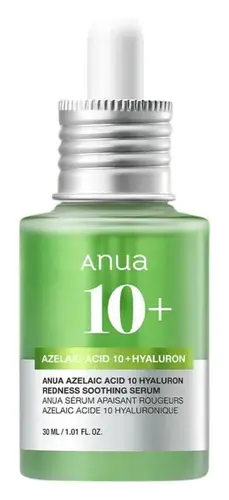
This calming serum is formulated around Azelaic Acid and Panthenol to calm redness and clear breakouts.
This calming essence is formulated around Potassium Azeloyl Diglycinate and Ceramide EOP to calm redness and strengthen the skin barrier.


What's inside
What's inside
 Key Ingredients
Benefits
Concerns
Ingredients Side-by-side
Water
Skin ConditioningAzelaic Acid 12%
Buffering









Propylene Glycol
Humectant


Sodium Hydroxide
BufferingEthoxydiglycol
HumectantPentylene Glycol
Skin Conditioning
Panthenol
Skin Conditioning
Glycerin
Humectant
Hydroxyethylcellulose
Emulsion Stabilising1,2-Hexanediol
Skin Conditioning
Ethylhexylglycerin
Skin ConditioningAllantoin
Skin Conditioning
Biosaccharide Gum-1
Humectant
Butylene Glycol
Humectant
Beta-Glucan
Skin Conditioning
Cynanchum Atratum Extract
Skin ConditioningAlthaea Rosea Flower Extract
Skin ConditioningTocopherol
Antioxidant


Arginine
Masking
Betaine
Humectant
Zinc Hydrolyzed Hyaluronate
HumectantZinc PCA
Humectant
Sodium DNA
Skin Conditioning
Caprylic/Capric Triglyceride
Masking
Phosphatidylcholine
EmulsifyingCeramide NP
Skin Conditioning
Glycine
Buffering
Glutamic Acid
Humectant
Serine
Masking
Alanine
Masking
Lysine
Skin ConditioningProline
Skin Conditioning
Threonine
Water, Azelaic Acid 12%, Propylene Glycol, Sodium Hydroxide, Ethoxydiglycol, Pentylene Glycol, Panthenol, Glycerin, Hydroxyethylcellulose, 1,2-Hexanediol, Ethylhexylglycerin, Allantoin, Biosaccharide Gum-1, Butylene Glycol, Beta-Glucan, Cynanchum Atratum Extract, Althaea Rosea Flower Extract, Tocopherol, Arginine, Betaine, Zinc Hydrolyzed Hyaluronate, Zinc PCA, Sodium DNA, Caprylic/Capric Triglyceride, Phosphatidylcholine, Ceramide NP, Glycine, Glutamic Acid, Serine, Alanine, Lysine, Proline, Threonine
Water
Skin ConditioningIsopentyldiol
Humectant
Potassium Azeloyl Diglycinate
Skin Conditioning
Glycylglycine
Ceramide EOP
Skin Conditioning
Ceramide Ng
Skin Conditioning
Ceramide NP
Skin Conditioning
Ceramide Ag
Humectant
Ceramide AP
Skin Conditioning
Centella Asiatica Extract
Cleansing
Madecassoside
Antioxidant
Asiaticoside
Antioxidant
Allantoin
Skin Conditioning
Panthenol
Skin Conditioning
O-Cymen-5-Ol
Antimicrobial
Enantia Chlorantha Bark Extract
Skin ConditioningOleanolic Acid
Skin ConditioningDipotassium Glycyrrhizate
Humectant
Ethylhexylglycerin
Skin ConditioningHydrogenated Lecithin
Emulsifying
Phytosterols
Skin Conditioning
Butylene Glycol
Humectant
1,2-Hexanediol
Skin Conditioning
Hydroxyethylcellulose
Emulsion StabilisingPEG-60 Hydrogenated Castor Oil
Emulsifying

Sodium Citrate
BufferingCitric Acid
Buffering
Phenoxyethanol
Preservative
Water, Isopentyldiol, Potassium Azeloyl Diglycinate, Glycylglycine, Ceramide EOP, Ceramide Ng, Ceramide NP, Ceramide Ag, Ceramide AP, Centella Asiatica Extract, Madecassoside, Asiaticoside, Allantoin, Panthenol, O-Cymen-5-Ol, Enantia Chlorantha Bark Extract, Oleanolic Acid, Dipotassium Glycyrrhizate, Ethylhexylglycerin, Hydrogenated Lecithin, Phytosterols, Butylene Glycol, 1,2-Hexanediol, Hydroxyethylcellulose, PEG-60 Hydrogenated Castor Oil, Sodium Citrate, Citric Acid, Phenoxyethanol
Reviews
Ingredients Explained
These ingredients are found in both products.
Ingredients higher up in an ingredient list are typically present in a larger amount.
1,2-Hexanediol is a synthetic liquid and another multi-functional powerhouse.
It is a:
- Humectant, drawing moisture into the skin
- Emollient, helping to soften skin
- Solvent, dispersing and stabilizing formulas
- Preservative booster, enhancing the antimicrobial activity of other preservatives
Allantoin is a soothing ingredient known for its protective and moisturizing properties; it's basically a quiet workhorse ingredient you can find in a huge range of cosmetics.
Though it can be derived from the comfrey plant, allantoin is produced synthetically for cosmetic products to ensure purity.
Research shows it can encourage your skin cells to turn over and renew by stimulating keratinocyte and fibroblast proliferation.
It also has mild keratolytic properties to help loosen and shed dead skin cells without being harsh.
Studies also suggest allantoin can help calm inflammation by dialing down some of the chemical signals your skin sends out when it is irritated.
This ingredient is typically used in the 0.1-0.5% range, and the FDA recognizes it as a skin protectant in OTC products up to 2%.
Overall, allantoin is a wonderful addition to most routines; it is stable across a wide pH range (~4-8), works well with other ingredients, and is considered non-sensitizing/non-irritating.
Fun fact: Allantoin is naturally occurring in comfrey root, beets, chamomile, and wheat sprouts. Our bodies even produce it as a byproduct of uric acid metabolism.
Learn more about AllantoinButylene Glycol (or BG) is used within cosmetic products for a few different reasons:
Overall, Butylene Glycol is a safe and well-rounded ingredient that works well with other ingredients.
Though this ingredient works well with most skin types, some people with sensitive skin may experience a reaction such as allergic rashes, closed comedones, or itchiness.
Learn more about Butylene GlycolCeramide NP (formerly known as Ceramide 3) is one of the skin's naturally occurring lipids.
Since ceramides are the major lipid components of the skin, they are crucial for maintaining skin barrier and hydration. Ceramide NP most closely mirrors the dominant kind in human skin amongst ceramide subtypes.
This ceramide works by slotting into gaps within the stratum corneum's lipid matrix to limit trans-epidermal water loss (TEWL) and shield the skin against external irritants.
A study with 312 patients found that using a ceramide-containing routine for 4 weeks reduced the severity of atopic dermatitis by over 61%.
Another clinical study in subjects aged 60 and older found that a ceramide body wash and moisturizer improved skin dryness and itchy skin in 15 days.
Overall, ceramides are considered non-irritating and safety tests have found little to no observable adverse effects from using this ingredient.
Ceramide NP is usually sourced from plants (like soybean or rice bran), or produced synthetically.
Learn more about Ceramide NPEthylhexylglycerin is created from glycerin. It is a multitasker ingredient that:
The CIR Expert Panel found minimal skin absorption or sensitization of any kind in a safety assessment. Though this ingredient is considered well-tolerated, a small number of cases of allergic dermatitis have been published since 2002. Just be sure to patch test if you are unsure.
Industry-reported use ranges from 8% in rinse-off products and 2% in leave-on formulations.
Learn more about EthylhexylglycerinHydroxyethylcellulose is used to improve the texture of products. It is created from a chemical reaction involving ethylene oxide and alkali-cellulose. Cellulose is a sugar found in plant cell walls and help give plants structure.
This ingredient helps stabilize products by preventing ingredients from separating. It can also help thicken the texture of a product.
This ingredient can also be found in pill medicines to help our bodies digest other ingredients.
Learn more about HydroxyethylcellulosePanthenol is a common ingredient that helps hydrate and soothe the skin. It is found naturally in our skin and hair.
There are two forms of panthenol: D and L.
D-panthenol is also known as dexpanthenol. Most cosmetics use dexpanthenol or a mixture of D and L-panthenol.
Panthenol is famous due to its ability to go deeper into the skin's layers. Using this ingredient has numerous pros (and no cons):
Like hyaluronic acid, panthenol is a humectant. Humectants are able to bind and hold large amounts of water to keep skin hydrated.
This ingredient works well for wound healing. It works by increasing tissue in the wound and helps close open wounds.
Once oxidized, panthenol converts to pantothenic acid. Panthothenic acid is found in all living cells.
This ingredient is also referred to as pro-vitamin B5.
Learn more about PanthenolWater. It's the most common cosmetic ingredient of all. You'll usually see it at the top of ingredient lists, meaning that it makes up the largest part of the product.
So why is it so popular? Water most often acts as a solvent - this means that it helps dissolve other ingredients into the formulation.
You'll also recognize water as that liquid we all need to stay alive. If you see this, drink a glass of water. Remember to stay hydrated!
Learn more about Water