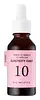
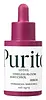
It's Skin Power 10 Formula Co Effector Elasticity Chief Versus PURITO Timeless Bloom Bakuchiol Serum
This anti-aging serum is formulated around Collagen Extract and Acetyl Hexapeptide-8 to soften the look of wrinkles and hydrate skin.
This anti-aging serum is formulated around Bakuchiol and Acetyl Hexapeptide-8 to soften the look of wrinkles and refine skin texture.

What's inside
What's inside
 Key Ingredients
Benefits
Concerns
Ingredients Side-by-side
Water
Skin ConditioningGlycerin
Humectant


Dimethicone
Emollient
1,2-Hexanediol
Skin Conditioning
Collagen Extract
Skin Conditioning
Butylene Glycol
Humectant
Propanediol
Solvent
Caprylyl/Capryl Glucoside
CleansingDimethicone/Vinyl Dimethicone Crosspolymer
Skin Conditioning
Hydroxyethyl Acrylate/Sodium Acryloyldimethyl Taurate Copolymer
Emulsion StabilisingSodium Polyacrylate
Absorbent
Polyglyceryl-10 Laurate
Skin Conditioning

Cetearyl Olivate
Sorbitan Olivate
Emulsifying
Glyceryl Caprylate
EmollientXanthan Gum
EmulsifyingDipropylene Glycol
HumectantEthylhexylglycerin
Skin ConditioningPolyglyceryl-10 Oleate
Skin Conditioning
Adenosine
Skin Conditioning
Disodium EDTA
ChelatingMelia Azadirachta Flower Extract
Skin ConditioningMelia Azadirachta Leaf Extract
Skin ConditioningBetaine
Humectant
Rosa Damascena Flower Oil
Masking




Coccinia Indica Fruit Extract
Skin Conditioning
Corallina Officinalis Extract
Skin Conditioning

Acetyl Hexapeptide-8
Humectant
Palmitoyl Tetrapeptide-7
Skin Conditioning
Water, Glycerin, Dimethicone, 1,2-Hexanediol, Collagen Extract, Butylene Glycol, Propanediol, Caprylyl/Capryl Glucoside, Dimethicone/Vinyl Dimethicone Crosspolymer, Hydroxyethyl Acrylate/Sodium Acryloyldimethyl Taurate Copolymer, Sodium Polyacrylate, Polyglyceryl-10 Laurate, Cetearyl Olivate, Sorbitan Olivate, Glyceryl Caprylate, Xanthan Gum, Dipropylene Glycol, Ethylhexylglycerin, Polyglyceryl-10 Oleate, Adenosine, Disodium EDTA, Melia Azadirachta Flower Extract, Melia Azadirachta Leaf Extract, Betaine, Rosa Damascena Flower Oil, Coccinia Indica Fruit Extract, Corallina Officinalis Extract, Acetyl Hexapeptide-8, Palmitoyl Tetrapeptide-7
Water
Skin ConditioningButylene Glycol
Humectant
Glycerin
Humectant
Pentaerythrityl Tetraethylhexanoate
Emollient
Betaine
Humectant
Bakuchiol
Antimicrobial




Hydrangea Macrophylla Leaf Extract
Skin ConditioningAcetyl Hexapeptide-8
Humectant
Lavandula Angustifolia Extract
Skin Conditioning
Rosmarinus Officinalis Extract
AntimicrobialOriganum Vulgare Flower/Leaf/Stem Extract
Skin ConditioningThymus Vulgaris Extract
Perfuming
Allantoin
Skin Conditioning
Adenosine
Skin Conditioning
Cetearyl Olivate
Hydroxyacetophenone
Antioxidant
Sorbitan Olivate
Emulsifying
Cetearyl Alcohol
Emollient


Cetyl Palmitate
Emollient
Sodium Acrylate/Sodium Acryloyldimethyl Taurate Copolymer
Emulsion StabilisingPolyisobutene
Sorbitan Palmitate
Emulsifying
Dipotassium Glycyrrhizate
Humectant
Disodium EDTA
ChelatingSorbitan Oleate
Emulsifying
Ethylhexylglycerin
Skin ConditioningCarbomer
Emulsion StabilisingXanthan Gum
EmulsifyingArginine
Masking
Caprylyl/Capryl Glucoside
Cleansing1,2-Hexanediol
Skin Conditioning
Water, Butylene Glycol, Glycerin, Pentaerythrityl Tetraethylhexanoate, Betaine, Bakuchiol, Hydrangea Macrophylla Leaf Extract, Acetyl Hexapeptide-8, Lavandula Angustifolia Extract, Rosmarinus Officinalis Extract, Origanum Vulgare Flower/Leaf/Stem Extract, Thymus Vulgaris Extract, Allantoin, Adenosine, Cetearyl Olivate, Hydroxyacetophenone, Sorbitan Olivate, Cetearyl Alcohol, Cetyl Palmitate, Sodium Acrylate/Sodium Acryloyldimethyl Taurate Copolymer, Polyisobutene, Sorbitan Palmitate, Dipotassium Glycyrrhizate, Disodium EDTA, Sorbitan Oleate, Ethylhexylglycerin, Carbomer, Xanthan Gum, Arginine, Caprylyl/Capryl Glucoside, 1,2-Hexanediol
Reviews
Ingredients Explained
These ingredients are found in both products.
Ingredients higher up in an ingredient list are typically present in a larger amount.
1,2-Hexanediol is a synthetic liquid and another multi-functional powerhouse.
It is a:
- Humectant, drawing moisture into the skin
- Emollient, helping to soften skin
- Solvent, dispersing and stabilizing formulas
- Preservative booster, enhancing the antimicrobial activity of other preservatives
Acetyl Hexapeptide-8 (also known as Argireline) is a synthetic hexapeptide that is often called a "topical Botox alternative".
It works by mimicking how Botox relaxes muscles; it interferes with the signaling process that tells your facial muscles to contract. This can help soften expression lines like forehead wrinkles or crow's feet over time.
The comparison to Botox does have limits because the molecule is water-loving and relatively large.
Acetyl Hexapeptide-8 has a hard time absorbing deeply enough through the skin's outer barrier to actually reach the muscles.
So whether it truly works the way Botox does at a biological level is still up for debate, but early clinical outcomes are fairly encouraging.
A 12 week human study of a multi-ingredient regimen containing this ingredient saw:
While some studies have observed improvements in wrinkle appearance, it is important to note that more consistent results are seen in multi-ingredient formulations (vs just Acetyl Hexapeptide-8 alone).
Some research studies also used higher concentrations (up to 10%) while this ingredient is usually found in concentrations up to 0.005% in leave-on formulations.
Learn more about Acetyl Hexapeptide-8Adenosine is a purine nucleoside that your body already makes in every cell. In skincare, it acts mainly as a skin conditioning and anti-aging agent.
The way it works is fairly well mapped out:
Your skin has cells called fibroblasts that build collagen (the stuff that keeps skin firm and smooth). Adenosine basically flips a switch on these cells that tells them to get to work making more collagen and other proteins. These cells slow down on their own as skin ages, so Adenosine helps give them a little nudge to keep going.
The clinical backing is pretty solid too.
A blind, randomized, placebo-controlled trial of 126 women aged 45-65 tested a 0.1% cream twice daily and found real improvements in crow's feet and frown lines using a precise 3D skin-mapping technique; these changes showed up by week 3 and held at 2 months.
A later study using Adenosine-loaded dissolving microneedle patches reported gains in wrinkle depth, dermal density, elasticity, and hydration.
On concentrations, South Korea's Ministry of Food and Drug Safety has set 0.04% as the approved functional anti-wrinkle level. You'll typically see this ingredient used somewhere in the 0.04-0.1% range since it works at low doses.
This ingredient has been found safe for cosmetics with the data showing no irritation or sensitization.
Overall, this is a great ingredient for any anti-aging routine and has no photosensitizing effect, so it suits both AM and PM use.
Learn more about AdenosineBetaine is a humectant. Like hyaluronic acid, it helps attract and retain moisture in the skin. It’s known for being gentle and for helping the skin maintain balanced hydration.
Betaine is mainly used to improve hydration and support calmer skin. It helps skin cells regulate water balance because it functions as an osmolyte.
Some studies suggest betaine may support making skin tone more even.
Fun fact: Betaine naturally exists in the skin and the body. In cosmetic products, it can be either plant-derived (most commonly from sugar beets) or synthetically produced for consistency and stability.
Betaine is also known as trimethylglycine.
Learn more about BetaineButylene Glycol (or BG) is used within cosmetic products for a few different reasons:
Overall, Butylene Glycol is a safe and well-rounded ingredient that works well with other ingredients.
Though this ingredient works well with most skin types, some people with sensitive skin may experience a reaction such as allergic rashes, closed comedones, or itchiness.
Learn more about Butylene GlycolThis ingredient is a mild surfactant made by sticking glucose onto a blend of fatty acids.
It does two jobs because it has a sugar head that loves water and a fatty tail that loves oil:
Typical use levels range from 10-20% in cleansers and 15-30% in shower products.
Once on your skin, your skin's glucoside hydrolases breaks it down into glucose and the parent fatty alcohols.
This ingredient is considered fungal acne safe because its fatty alcohol portion sits outside the Malassezia yeast's metabolization range.
Learn more about Caprylyl/Capryl GlucosideCetearyl Olivate is a plant-derived emulsifier and texture enhancer. It helps keep the oil and water phases from separating so your formulas stay stable.
You'll likely see it combined with Sorbitan Olivate (together sold as the trade name Olivem 1000). This combination generates a liquid crystal structure that closely resemble the lipid organization of the stratum corneum.
These "skin-like" liquid crystals improve skin barrier integrity and promote the delivery of actives into the skin.
This ingredient is well-tolerated and has no significant sensitization data.
Because it is derived from the fatty acids in olive oil, this ingredient may not be fungal acne safe.
Learn more about Cetearyl OlivateDisodium EDTA is a chelating agent. It grabs onto and deactivates metal ions that sneak into your products from water, packaging, or air.
This ingredient mainly works behind the scenes and helps with:
On top of that, this ingredient can counteract the effects of hard water by binding to the minerals in it.
One thing worth knowing is that Disodium EDTA has been shown to be a mild penetration enhancer. It can help other ingredients absorb into skin more effectively which can be a double-edged sword (great for actives, but can also make the active too strong if you have sensitive skin).
Clinical patch testing showed no significant skin irritation at typical use concentrations and minimal dermal absorption.
You'll most likely see this ingredient near the end of an ingredient list. It's typically found in concentrations less than 1%.
Learn more about Disodium EDTAEthylhexylglycerin is created from glycerin. It is a multitasker ingredient that:
The CIR Expert Panel found minimal skin absorption or sensitization of any kind in a safety assessment. Though this ingredient is considered well-tolerated, a small number of cases of allergic dermatitis have been published since 2002. Just be sure to patch test if you are unsure.
Industry-reported use ranges from 8% in rinse-off products and 2% in leave-on formulations.
Learn more about EthylhexylglycerinGlycerin (or glycerol) is a compound naturally found in your skin. It's a powerhouse humectant that pulls water into the stratum corneum.
Topically, glycerin does several things at once:
Your skin makes glycerin on its own (mostly from sebaceous oil breakdown) and shuttles it to your outermost layer of skin, or your epidermis, via aquaporin-3.
Aquaporin-3 is a transporter that is essential for normal skin hydration, elasticity, and repair. Interestingly, mice lacking in AQP3 have dry and less elastic skin that can be fully corrected with glycerin.
This ingredient is non-irritating, plays well with almost every ingredient, and works across all skin types. Typical use is anywhere between 3-10% but can go up to 79% in some leave-on products.
Just know very high concentrations (>40%) can feel tacky in low humidity.
Glycerin is the name for this ingredient in American English. British English uses Glycerol/Glycerine.
Learn more about GlycerinSorbitan Olivate is created from the fatty acids in olive oil and sorbitol.
This ingredient is an oil in water emulsifier. It helps stabilize a product by preventing oils and waters from separating. Sorbitan Olivate also helps hydrate the skin.
This ingredient is also known as part of Olivem 1000, with Cetearyl Olivate being the other part.
According to a manufacturer, this ingredient helps preserve the natural microbiome of skin. Having a healthy microbiome helps keep our skin healthy and protects against harmful bacteria.
Please note, having a healthy microbiome is different from fungal acne; a healthy microbiome includes small amounts of yeast that normally live on your skin without causing problems.
Fungal acne happens when one type of yeast (Malassezia) grows out of control. This is usually because it's feeding on certain oils or fatty acids. Due to the olive oil base, this ingredient may not be fungal acne safe.
Learn more about Sorbitan OlivateWater. It's the most common cosmetic ingredient of all. You'll usually see it at the top of ingredient lists, meaning that it makes up the largest part of the product.
So why is it so popular? Water most often acts as a solvent - this means that it helps dissolve other ingredients into the formulation.
You'll also recognize water as that liquid we all need to stay alive. If you see this, drink a glass of water. Remember to stay hydrated!
Learn more about WaterXanthan gum is used as a stabilizer and thickener within cosmetic products. It helps give products a sticky, thick feeling - preventing them from being too runny.
On the technical side of things, xanthan gum is a polysaccharide - a combination consisting of multiple sugar molecules bonded together.
Xanthan gum is a pretty common and great ingredient. It is a natural, non-toxic, non-irritating ingredient that is also commonly used in food products.
Learn more about Xanthan Gum

