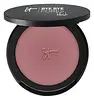
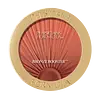
IT Cosmetics Bye Bye Pores Blush Versus Physician's Formula Bronze Booster Sol Blush Glow Activated Pressed Blush

What's inside
What's inside
 Key Ingredients
Benefits
Concerns
Ingredients Side-by-side
Synthetic Fluorphlogopite
Silica
Abrasive


Zinc Stearate
Cosmetic ColorantCaprylic/Capric Triglyceride
Masking


Isostearyl Neopentanoate
Emollient

Ethylhexyl Palmitate
Emollient


Coco-Caprylate/Caprate
Emollient
Caprylyl Glycol
Emollient
Ethylhexylglycerin
Skin ConditioningCI 77120
Cosmetic ColorantNiacinamide
Smoothing








Sodium Hyaluronate
Humectant
Silk Powder
Skin ConditioningAscorbyl Palmitate
Antioxidant

Jojoba Esters
Emollient
Magnesium Ascorbyl Phosphate
Antioxidant
Glycerin
Humectant
Water
Skin ConditioningButylene Glycol
Humectant
Hydrolyzed Collagen
Emollient
Tocopherol
Antioxidant
Carbomer
Emulsion StabilisingSodium Lactate
Buffering
Polysorbate 20
Emulsifying
Palmitoyl Tripeptide-1
Skin Conditioning
Palmitoyl Tetrapeptide-7
Skin Conditioning
Mica
Cosmetic ColorantCI 77891
Cosmetic ColorantCI 77491
Cosmetic ColorantCI 77492
Cosmetic ColorantCI 77499
Cosmetic ColorantCI 77007
Cosmetic ColorantCI 45410
Cosmetic ColorantCI 15850
Cosmetic ColorantCI 19140
Cosmetic ColorantSynthetic Fluorphlogopite, Silica, Zinc Stearate, Caprylic/Capric Triglyceride, Isostearyl Neopentanoate, Ethylhexyl Palmitate, Coco-Caprylate/Caprate, Caprylyl Glycol, Ethylhexylglycerin, CI 77120, Niacinamide, Sodium Hyaluronate, Silk Powder, Ascorbyl Palmitate, Jojoba Esters, Magnesium Ascorbyl Phosphate, Glycerin, Water, Butylene Glycol, Hydrolyzed Collagen, Tocopherol, Carbomer, Sodium Lactate, Polysorbate 20, Palmitoyl Tripeptide-1, Palmitoyl Tetrapeptide-7, Mica, CI 77891, CI 77491, CI 77492, CI 77499, CI 77007, CI 45410, CI 15850, CI 19140
Mica
Cosmetic ColorantZea Mays Starch
Absorbent
Zinc Stearate
Cosmetic ColorantSynthetic Fluorphlogopite
Magnesium Myristate
Dimethicone
Emollient
Caprylic/Capric Triglyceride
Masking
Trimethylsiloxysilicate
Emollient
Silica
Abrasive
Calcium Aluminum Borosilicate
Parfum
Masking


Phenoxyethanol
Preservative
Dimethicone/Vinyl Dimethicone Crosspolymer
Skin Conditioning
Triethoxycaprylylsilane
Caprylyl Glycol
Emollient
Ethylhexylglycerin
Skin ConditioningHexylene Glycol
EmulsifyingOctyldodecanol
Emollient
O-Cymen-5-Ol
Antimicrobial
Butylene/Ethylene/Styrene Copolymer
Ethylene/Propylene/Styrene Copolymer
Tin Oxide
Abrasive
Water
Skin Conditioning3-O-Ethyl Ascorbic Acid
Skin Conditioning
Tocopheryl Acetate
Antioxidant
Niacinamide
Smoothing
Panthenol
Skin Conditioning
Tocopherol
Antioxidant
Simmondsia Chinensis Seed Oil
Emollient
Helianthus Annuus Seed Oil
Emollient
Propanediol
Solvent
Glycerin
Humectant
Phospholipids
Skin Conditioning
Sodium Hyaluronate
Humectant
Sodium Lauroyl Sarcosinate
CleansingXanthan Gum
EmulsifyingSodium Laurate
CleansingBenzyl Benzoate
Antimicrobial
Coumarin
Perfuming
Geranyl Acetate
Perfuming
Limonene
Perfuming
Linalyl Acetate
Masking
Tetramethyl Acetyloctahydronaphthalenes
Masking
Vanillin
Masking
CI 77163
Cosmetic Colorant
CI 77491
Cosmetic ColorantCI 77492
Cosmetic ColorantCI 77499
Cosmetic ColorantCI 15850
Cosmetic ColorantCI 73360
Cosmetic ColorantCI 77891
Cosmetic ColorantCI 77007
Cosmetic ColorantCI 15985
Cosmetic ColorantMica, Zea Mays Starch, Zinc Stearate, Synthetic Fluorphlogopite, Magnesium Myristate, Dimethicone, Caprylic/Capric Triglyceride, Trimethylsiloxysilicate, Silica, Calcium Aluminum Borosilicate, Parfum, Phenoxyethanol, Dimethicone/Vinyl Dimethicone Crosspolymer, Triethoxycaprylylsilane, Caprylyl Glycol, Ethylhexylglycerin, Hexylene Glycol, Octyldodecanol, O-Cymen-5-Ol, Butylene/Ethylene/Styrene Copolymer, Ethylene/Propylene/Styrene Copolymer, Tin Oxide, Water, 3-O-Ethyl Ascorbic Acid, Tocopheryl Acetate, Niacinamide, Panthenol, Tocopherol, Simmondsia Chinensis Seed Oil, Helianthus Annuus Seed Oil, Propanediol, Glycerin, Phospholipids, Sodium Hyaluronate, Sodium Lauroyl Sarcosinate, Xanthan Gum, Sodium Laurate, Benzyl Benzoate, Coumarin, Geranyl Acetate, Limonene, Linalyl Acetate, Tetramethyl Acetyloctahydronaphthalenes, Vanillin, CI 77163, CI 77491, CI 77492, CI 77499, CI 15850, CI 73360, CI 77891, CI 77007, CI 15985
Ingredients Explained
These ingredients are found in both products.
Ingredients higher up in an ingredient list are typically present in a larger amount.
Caprylic/Capric Triglyceride (aka MCT Oil) is a lightweight emollient, solvent, and texture enhancer. It is considered a skin-softener by helping to prevent moisture loss.
Though it behaves like an oil, it is not technically one due to its chemical composition. One perk of this ingredient is that it is very stable, resistant to oxidation, and unlikely to go rancid.
In practice, that translates to a long shelf life and a consistently elegant skin feel.
While there is an assumption Caprylic Triglyceride can clog pores due to it being derived from coconut oil, there is no research supporting this. Just patch test if you have concerns.
Fractionated coconut oil and MCT Oil are both listed as Caprylic/Capric Triglyceride according to INCI. This is because INCI names are based on the ingredient’s final chemical composition and not its marketing name or source.
This ingredient is treated as the gold standard fungal acne safe oil. Even though it is coconut derived, the problematic lauric acid is stripped out.
This leaves just caprylic (C8) and capric (C10) acid. These chain lengths actually trend antifungal; a 2020 study found caprylic acid was enough to disrupt Malassezia furfur cell membrane, with a caprylic acid derivative damaging membrane structures at concentrations as low as 0.2%.
Learn more about Caprylic/Capric TriglycerideCaprylyl Glycol is a humectant, skin conditioner, emollient, and preservative booster derived from either caprylic acid or synthetically created.
Typical use levels vary from 0.3-1% as a preservative booster and go up to 2% to condition skin.
Because it is not a free-fatty acid, this ingredient is fungal acne safe (there's nothing for Malassezia to feed on).
Learn more about Caprylyl GlycolCi 15850 is the pigment color red. It is an azo dye and created synthetically.
Azo dyes need to be thoroughly purified before use. This allows them to be more stable and longer-lasting.
This ingredient is common in foundations, lipsticks, and blushes. This color is described as brown/orangey red.
It has many secondary names such as Red 6 and Red 7. According to a manufacturer, Red 6 usually contains aluminum.
Learn more about CI 15850This pigment is called Ultramarine blue lazurite. It gives a saturated blue color, but can be used to create other colors as well.
According to the manufacturer, it is usually made from kaolin, sodium sulfate, sodium carbonate, sulfur, and charcoal.
Ci 77491 is also hydrated iron III oxide. It's sole purpose is to give a red/pink hue to products.
Iron III oxides are classified as inorganic chemicals for coloring.
Synthetically created Ci 77491 is considered safer than those naturally found. This is because the synthetically created version may contain less impurities. Iron oxides are generally non-toxic and non-allergenic.
Learn more about CI 77491CI 77492 is also hydrated iron III oxide. It's sole purpose is to give a yellow hue to products.
Iron III oxides are classified as inorganic chemicals for coloring.
Synthetically created CI 77492 is considered safer than those naturally found. This is because the synthetically created version may contain less impurities. Iron oxides are generally non-toxic and non-allergenic.
Learn more about CI 77492Ci 77499 is also hydrated iron III oxide. It is created from mixing red and black iron oxides. This helps give shades of darkness to a product.
Iron III oxides are classified as inorganic chemicals for coloring.
Ci 77891 is a white pigment from Titanium dioxide. It is naturally found in minerals such as rutile and ilmenite.
It's main function is to add a white color to cosmetics. It can also be mixed with other colors to create different shades.
Ci 77891 is commonly found in sunscreens due to its ability to block UV rays.
Learn more about CI 77891Ethylhexylglycerin is created from glycerin. It is a multitasker ingredient that:
The CIR Expert Panel found minimal skin absorption or sensitization of any kind in a safety assessment. Though this ingredient is considered well-tolerated, a small number of cases of allergic dermatitis have been published since 2002. Just be sure to patch test if you are unsure.
Industry-reported use ranges from 8% in rinse-off products and 2% in leave-on formulations.
Learn more about EthylhexylglycerinGlycerin (or glycerol) is a compound naturally found in your skin. It's a powerhouse humectant that pulls water into the stratum corneum.
Topically, glycerin does several things at once:
Your skin makes glycerin on its own (mostly from sebaceous oil breakdown) and shuttles it to your outermost layer of skin, or your epidermis, via aquaporin-3.
Aquaporin-3 is a transporter that is essential for normal skin hydration, elasticity, and repair. Interestingly, mice lacking in AQP3 have dry and less elastic skin that can be fully corrected with glycerin.
This ingredient is non-irritating, plays well with almost every ingredient, and works across all skin types. Typical use is anywhere between 3-10% but can go up to 79% in some leave-on products.
Just know very high concentrations (>40%) can feel tacky in low humidity.
Glycerin is the name for this ingredient in American English. British English uses Glycerol/Glycerine.
Learn more about GlycerinMica is a naturally occurring mineral used to add shimmer and color in cosmetics. It can also help improve the texture of a product or give it an opaque, white/silver color.
Serecite is the name for very fine but ragged grains of mica.
This ingredient is often coated with metal oxides like titanium dioxide. Trace amounts of heavy metals may be found in mica, but these metals are not harmful in our personal products.
Mica has been used since prehistoric times throughout the world. Ancient Egyptian, Indian, Greek, Roman, Aztec, and Chinese civilizations have used mica.
Learn more about MicaNiacinamide is a multitasking form of vitamin B3 that strengthens the skin barrier, reduces pores and dark spots, regulates oil, and improves signs of aging.
And the best part? It's gentle and well-tolerated by most skin types, including sensitive and reactive skin.
You might have heard of "niacin flush", or the reddening of skin that causes itchiness. Niacinamide has not been found to cause this.
In very rare cases, some individuals may not be able to tolerate niacinamide at all or experience an allergic reaction to it.
If you are experiencing flaking, irritation, and dryness with this ingredient, be sure to double check all your products as this ingredient can be found in all categories of skincare.
When incorporating niacinamide into your routine, look out for concentration amounts. Typically, 5% niacinamide provides benefits such as fading dark spots. However, if you have sensitive skin, it is better to begin with a smaller concentration.
When you apply niacinamide to your skin, your body converts it into nicotinamide adenine dinucleotide (NAD). NAD is an essential coenzyme that is already found in your cells as "fuel" and powers countless biological processes.
In your skin, NAD helps repair cell damage, produce new healthy cells, support collagen production, strengthen the skin barrier, and fight environmental stressors (like UV and pollution).
Our natural NAD levels start to decline with age, leading to slower skin repair, visible aging, and a weaker skin barrier. By providing your skin niacinamide, you're recharging your skin's NAD levels. This leads to stronger, healthier, and younger looking skin.
Another name for vitamin B3 is nicotinamide. This vitamin is water-soluble and our bodies don't store it. We obtain Vitamin B3 from either food or skincare. Meat, fish, wheat, yeast, and leafy greens contain vitamin B3.
The type of niacinamide used in skincare is synthetically created.
Learn more about NiacinamideSilica, also known as silicon dioxide, is a naturally occurring mineral. It is used as a fine, spherical, and porous powder in cosmetics.
Though it has exfoliant properties, the function of silica varies depending on the product.
The unique structure of silica enhances the spreadability and adds smoothness, making it a great texture enhancer.
It is also used as an active carrier, emulsifier, and mattifier due to its ability to absorb excess oil.
In some products, tiny microneedles called spicules are made from silica or hydrolyzed sponge. When you rub them in, they lightly polish away dead skin layers and enhance the penetration of active ingredients.
Learn more about SilicaSodium Hyaluronate is the salt form of hyaluronic acid. It is a long sugar chain that is naturally found in your skin, joints, and connective tissue that maintains hydration and elasticity.
In skincare, it works as a humectant. It pulls water from the environment and deeper layers of skin and binds it to the surface.
Interestingly, the size of the molecule affects its behavior:
Some clinical evidence links low molecular weight versions to improved wrinkle depth, elasticity, anti-inflammatory effects, and barrier repair.
Many serums use a blend of both weights so you can get surface hydration plus longer-lasting and deeper effects.
You'll typically see concentrations between 0.1-2% for this ingredient.
Learn more about Sodium HyaluronateSynthetic Fluorphlogopite is the synthethic version of mica. It consists of fluorine, aluminum and silicate.
Synthetic Fluorphlogopite is used to add volume to products.
It is considered non-irritating on the skin.
Learn more about Synthetic FluorphlogopiteTocopherol is a fat-soluble antioxidant known as Vitamin E.
You'll find this ingredient in the vast majority of skincare (for good reason). It works to neutralize free radicals, or unstable molecules generated by UV exposure, pollution, and other environmental stressors, before they can cause oxidative damage to your skin cells.
Topically applied tocopherol has been shown to protect against UV damage by ramping up the skin's own natural defense enzymes.
It also acts as a skin conditioning agent; some studies show that regular topical use can improve the skin's water-binding capacity over 2-4 weeks.
This ingredient is especially loved for being a team player. When combined with Vitamin C, the photoprotective effect of both ingredients roughly doubles and the combo also helps reduce UV-induced DNA damage.
This ingredient has some brightening potential but it's more of a prevention ingredient than spot-fader. Cell studies show it can slow down melanin production but it's worth noting that it's not the most powerful brightener out there.
In formulations, it also serves as a stabilizer that helps protect other oxidation-prone ingredients from degrading.
Concentrations usually range from 0.1-1% in most leave-on products.
Learn more about TocopherolWater. It's the most common cosmetic ingredient of all. You'll usually see it at the top of ingredient lists, meaning that it makes up the largest part of the product.
So why is it so popular? Water most often acts as a solvent - this means that it helps dissolve other ingredients into the formulation.
You'll also recognize water as that liquid we all need to stay alive. If you see this, drink a glass of water. Remember to stay hydrated!
Learn more about WaterZinc Stearate is the metal salt of stearic acid. It is a white solid used to bind, thicken, and lubricate products.
This ingredient is common in powder makeup, where it helps keep the powder together.
Zinc Stearate is hydrophobic and repels water.
This ingredient can be sourced from non-animal or animal sources. It is best to reach out to the brand to see where they source this ingredient from.
Learn more about Zinc Stearate

