This oil-control serum is formulated around Camellia Sinensis Leaf Extract and Niacinamide to balance excess oil and calm redness.

What's inside
What's inside
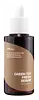 Key Ingredients
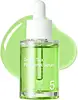
Benefits
Concerns
Ingredients Side-by-side
Camellia Sinensis Leaf Extract
Antimicrobial







Water
Skin ConditioningButylene Glycol
Humectant
Glycerin
Humectant
Propanediol
Solvent
Dipropylene Glycol
HumectantNiacinamide
Smoothing



1,2-Hexanediol
Skin Conditioning
Panthenol
Skin Conditioning
Hydroxyacetophenone
Antioxidant
Squalane
Emollient
Ammonium Acryloyldimethyltaurate/Vp Copolymer
Allantoin
Skin Conditioning
Carbomer
Emulsion StabilisingTromethamine
BufferingBetaine
Humectant
Polyglyceryl-3 Methylglucose Distearate
Emulsifying

Cetearyl Alcohol
Emollient




Epigallocatechin Gallate
Antioxidant
Glyceryl Stearate Se
Emulsifying
Adenosine
Skin Conditioning
Dipotassium Glycyrrhizate
Humectant
Bacillus Ferment
Skin Conditioning
Vigna Radiata Seed Extract
Skin ConditioningCamellia Japonica Flower Extract
EmollientPinus Palustris Leaf Extract
TonicUlmus Davidiana Root Extract
Skin Conditioning
Oenothera Biennis Flower Extract
AstringentPueraria Lobata Root Extract
HumectantBrassica Oleracea Italica Sprout Extract
EmollientCamellia Sinensis Leaf Extract, Water, Butylene Glycol, Glycerin, Propanediol, Dipropylene Glycol, Niacinamide, 1,2-Hexanediol, Panthenol, Hydroxyacetophenone, Squalane, Ammonium Acryloyldimethyltaurate/Vp Copolymer, Allantoin, Carbomer, Tromethamine, Betaine, Polyglyceryl-3 Methylglucose Distearate, Cetearyl Alcohol, Epigallocatechin Gallate, Glyceryl Stearate Se, Adenosine, Dipotassium Glycyrrhizate, Bacillus Ferment, Vigna Radiata Seed Extract, Camellia Japonica Flower Extract, Pinus Palustris Leaf Extract, Ulmus Davidiana Root Extract, Oenothera Biennis Flower Extract, Pueraria Lobata Root Extract, Brassica Oleracea Italica Sprout Extract
Camellia Sinensis Leaf Water 60%
Masking
Water
Skin ConditioningButylene Glycol
Humectant
Panthenol
Skin Conditioning
1,2-Hexanediol
Skin Conditioning
Propanediol
Solvent
Arginine
Masking
Carbomer
Emulsion StabilisingCellulose Gum
Emulsion StabilisingC12-14 Alketh-12
EmulsifyingBambusa Vulgaris Water
Skin ConditioningEthylhexylglycerin
Skin ConditioningAllantoin
Skin Conditioning
Melia Azadirachta Leaf Extract
Skin ConditioningMelia Azadirachta Flower Extract
Skin ConditioningDisodium EDTA
ChelatingOcimum Sanctum Leaf Extract
Skin ConditioningArtemisia Capillaris Extract
Curcuma Longa Root Extract
Antioxidant
Corallina Officinalis Extract
Skin Conditioning
Pentylene Glycol
Skin Conditioning
Sodium Hyaluronate
Humectant
Sodium Hyaluronate Crosspolymer
Humectant
Hydrolyzed Hyaluronic Acid
Humectant
Hyaluronic Acid
Humectant
Caprylyl Glycol
Emollient
Hydrolyzed Sodium Hyaluronate
Skin Conditioning
Camellia Sinensis Leaf Water 60%, Water, Butylene Glycol, Panthenol, 1,2-Hexanediol, Propanediol, Arginine, Carbomer, Cellulose Gum, C12-14 Alketh-12, Bambusa Vulgaris Water, Ethylhexylglycerin, Allantoin, Melia Azadirachta Leaf Extract, Melia Azadirachta Flower Extract, Disodium EDTA, Ocimum Sanctum Leaf Extract, Artemisia Capillaris Extract, Curcuma Longa Root Extract, Corallina Officinalis Extract, Pentylene Glycol, Sodium Hyaluronate, Sodium Hyaluronate Crosspolymer, Hydrolyzed Hyaluronic Acid, Hyaluronic Acid, Caprylyl Glycol, Hydrolyzed Sodium Hyaluronate
Reviews
Ingredients Explained
These ingredients are found in both products.
Ingredients higher up in an ingredient list are typically present in a larger amount.
1,2-Hexanediol is a synthetic liquid and another multi-functional powerhouse.
It is a:
- Humectant, drawing moisture into the skin
- Emollient, helping to soften skin
- Solvent, dispersing and stabilizing formulas
- Preservative booster, enhancing the antimicrobial activity of other preservatives
Allantoin is a soothing ingredient known for its protective and moisturizing properties; it's basically a quiet workhorse ingredient you can find in a huge range of cosmetics.
Though it can be derived from the comfrey plant, allantoin is produced synthetically for cosmetic products to ensure purity.
Research shows it can encourage your skin cells to turn over and renew by stimulating keratinocyte and fibroblast proliferation.
It also has mild keratolytic properties to help loosen and shed dead skin cells without being harsh.
Studies also suggest allantoin can help calm inflammation by dialing down some of the chemical signals your skin sends out when it is irritated.
This ingredient is typically used in the 0.1-0.5% range, and the FDA recognizes it as a skin protectant in OTC products up to 2%.
Overall, allantoin is a wonderful addition to most routines; it is stable across a wide pH range (~4-8), works well with other ingredients, and is considered non-sensitizing/non-irritating.
Fun fact: Allantoin is naturally occurring in comfrey root, beets, chamomile, and wheat sprouts. Our bodies even produce it as a byproduct of uric acid metabolism.
Learn more about AllantoinButylene Glycol (or BG) is used within cosmetic products for a few different reasons:
Overall, Butylene Glycol is a safe and well-rounded ingredient that works well with other ingredients.
Though this ingredient works well with most skin types, some people with sensitive skin may experience a reaction such as allergic rashes, closed comedones, or itchiness.
Learn more about Butylene GlycolCarbomer is a synthetic thickening and gelling agent. It's basically the ingredient that gives a lot of serums, gels, creams, and sunscreens their smooth, non-sticky texture.
Although legally permitted at very high levels, carbomers are normally used at concentrations below 1%.
It also needs to be neutralized to actually thicken, and because it is a large molecule, it doesn't really penetrate the skin barrier.
Allergy-wise, the risk is very low. Clinical studies show carbomers have low potential for skin irritation/sensitization even at concentrations up to 100%.
A 2024 UK study patch-tested 1,302 patients and found true allergy to the parent group of carbomer to be rare with no confirmed relevant reactions.
Learn more about CarbomerPanthenol is a common ingredient that helps hydrate and soothe the skin. It is found naturally in our skin and hair.
There are two forms of panthenol: D and L.
D-panthenol is also known as dexpanthenol. Most cosmetics use dexpanthenol or a mixture of D and L-panthenol.
Panthenol is famous due to its ability to go deeper into the skin's layers. Using this ingredient has numerous pros (and no cons):
Like hyaluronic acid, panthenol is a humectant. Humectants are able to bind and hold large amounts of water to keep skin hydrated.
This ingredient works well for wound healing. It works by increasing tissue in the wound and helps close open wounds.
Once oxidized, panthenol converts to pantothenic acid. Panthothenic acid is found in all living cells.
This ingredient is also referred to as pro-vitamin B5.
Learn more about PanthenolPropanediol is an all-star ingredient. It softens, hydrates, and smooths the skin.
It’s often used to:
Propanediol is not likely to cause sensitivity and considered safe to use. It is derived from corn or petroleum with a clear color and no scent.
Learn more about PropanediolWater. It's the most common cosmetic ingredient of all. You'll usually see it at the top of ingredient lists, meaning that it makes up the largest part of the product.
So why is it so popular? Water most often acts as a solvent - this means that it helps dissolve other ingredients into the formulation.
You'll also recognize water as that liquid we all need to stay alive. If you see this, drink a glass of water. Remember to stay hydrated!
Learn more about Water

