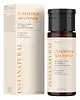
This smoothing toner is formulated around Glycolic Acid and Lactic Acid to refine skin texture and brighten dull-looking skin.
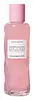
This pore-care toner is formulated around Citrullus Lanatus Fruit Extract and Gluconolactone to refine the look of pores and brighten dull-looking skin.

What's inside
What's inside
 Key Ingredients
Benefits
Concerns
Ingredients Side-by-side
Water
Skin ConditioningHamamelis Virginiana Flower Water
AstringentGlycolic Acid
Buffering











Arginine
Masking
Glycerin
Humectant
Lactic Acid
Buffering
Malic Acid
Buffering
Gluconic Acid
Chelating
Salicylic Acid
Masking


Tartaric Acid
Buffering
Ascorbic Acid
Antioxidant

Tetrahexyldecyl Ascorbate
Antioxidant
Sodium Hyaluronate
Humectant
Limnanthes Alba Seed Oil
Skin Conditioning

Glucosyl Hesperidin
HumectantRosmarinus Officinalis Leaf Extract
AntimicrobialCentella Asiatica Extract
Cleansing
Hibiscus Rosa-Sinensis Flower Extract
HumectantAllantoin
Skin Conditioning
Salvia Officinalis Leaf Extract
CleansingCucumis Sativus Fruit Extract
Emollient
Glycyrrhiza Glabra Root Extract
Bleaching
Arnica Montana Flower Extract
Masking
Camellia Sinensis Leaf Extract
Antimicrobial
Magnesium PCA
Humectant
Copper PCA
HumectantZinc PCA
Humectant
Sorbic Acid
Preservative
Rosa Canina Fruit Extract
Astringent
Caprylic/Capric Triglyceride
Masking
Lavandula Angustifolia Extract
Skin Conditioning
Prunus Armeniaca Fruit Extract
Skin ConditioningRubus Idaeus Fruit Extract
AstringentGardenia Florida Flower Extract
Skin ConditioningAnanas Sativus Fruit Extract
Skin ConditioningVanilla Planifolia Fruit Extract
Skin Conditioning
Pyrus Malus Fruit Extract
Skin Conditioning
Citrus Aurantium Bergamia Fruit Extract
Skin ConditioningCarthamus Tinctorius Seed Oil
Masking
Propanediol
Solvent
Citric Acid
Buffering
Caprylhydroxamic Acid
ChelatingGlyceryl Caprylate
EmollientPhenethyl Alcohol
MaskingPentylene Glycol
Skin Conditioning
Water, Hamamelis Virginiana Flower Water, Glycolic Acid, Arginine, Glycerin, Lactic Acid, Malic Acid, Gluconic Acid, Salicylic Acid, Tartaric Acid, Ascorbic Acid, Tetrahexyldecyl Ascorbate, Sodium Hyaluronate, Limnanthes Alba Seed Oil, Glucosyl Hesperidin, Rosmarinus Officinalis Leaf Extract, Centella Asiatica Extract, Hibiscus Rosa-Sinensis Flower Extract, Allantoin, Salvia Officinalis Leaf Extract, Cucumis Sativus Fruit Extract, Glycyrrhiza Glabra Root Extract, Arnica Montana Flower Extract, Camellia Sinensis Leaf Extract, Magnesium PCA, Copper PCA, Zinc PCA, Sorbic Acid, Rosa Canina Fruit Extract, Caprylic/Capric Triglyceride, Lavandula Angustifolia Extract, Prunus Armeniaca Fruit Extract, Rubus Idaeus Fruit Extract, Gardenia Florida Flower Extract, Ananas Sativus Fruit Extract, Vanilla Planifolia Fruit Extract, Pyrus Malus Fruit Extract, Citrus Aurantium Bergamia Fruit Extract, Carthamus Tinctorius Seed Oil, Propanediol, Citric Acid, Caprylhydroxamic Acid, Glyceryl Caprylate, Phenethyl Alcohol, Pentylene Glycol
Opuntia Ficus-Indica Extract
Skin Conditioning
Citrullus Lanatus Fruit Extract
Skin Conditioning
Glycerin
Humectant
Hyaluronic Acid
Humectant
Gluconolactone
Chelating
Sodium Polyglutamate
HumectantBetaine Salicylate
Antimicrobial
Salix Alba Bark Extract
Astringent
Melaleuca Alternifolia Leaf Extract
Perfuming
Hibiscus Sabdariffa Flower Extract
Skin ConditioningLactobacillus/Watermelon Fruit Ferment Extract
Skin ConditioningCucumis Sativus Fruit Extract
Emollient
Saccharum Officinarum Extract
MoisturisingGlycyrrhiza Glabra Root Extract
Bleaching
Scutellaria Baicalensis Root Extract
Astringent
Paeonia Suffruticosa Root Extract
Skin ProtectingBrassica Oleracea Capitata Leaf Extract
Skin ConditioningIpomoea Batatas Root Extract
Skin ConditioningSorbitan Oleate
Emulsifying
Levulinic Acid
Perfuming
Sodium Levulinate
Skin ConditioningParfum
Masking
Opuntia Ficus-Indica Extract, Citrullus Lanatus Fruit Extract, Glycerin, Hyaluronic Acid, Gluconolactone, Sodium Polyglutamate, Betaine Salicylate, Salix Alba Bark Extract, Melaleuca Alternifolia Leaf Extract, Hibiscus Sabdariffa Flower Extract, Lactobacillus/Watermelon Fruit Ferment Extract, Cucumis Sativus Fruit Extract, Saccharum Officinarum Extract, Glycyrrhiza Glabra Root Extract, Scutellaria Baicalensis Root Extract, Paeonia Suffruticosa Root Extract, Brassica Oleracea Capitata Leaf Extract, Ipomoea Batatas Root Extract, Sorbitan Oleate, Levulinic Acid, Sodium Levulinate, Parfum
Reviews
Ingredients Explained
These ingredients are found in both products.
Ingredients higher up in an ingredient list are typically present in a larger amount.
This extract comes from cucumber. Cucumbers are mostly made up of water (95%), and the other 5% is composed of: vitamin C, caffeic acid, fatty acids, amino acids, and other minerals.
Cucumbers have anti-inflammatory, barrier repair, and hydrating properties.
They contain shikimate dehydrigenase, an enzyme shown to help reduce inflammation and soothe the skin.
The amino acids found in cucumbers help nourish our skin's natural acid mantle (it's an important part of our skin barrier). This slightly acidic film acts as a barrier to protect us from bacteria, viruses, and other contaminants.
Unless you have an allergy to cucumbers, this is generally a non-irritating ingredient.
Fun fact: Cucumis Sativus is native to South Asia and can now be found on every continent.
Learn more about Cucumis Sativus Fruit ExtractGlycerin (or glycerol) is a compound naturally found in your skin. It's a powerhouse humectant that pulls water into the stratum corneum.
Topically, glycerin does several things at once:
Your skin makes glycerin on its own (mostly from sebaceous oil breakdown) and shuttles it to your outermost layer of skin, or your epidermis, via aquaporin-3.
Aquaporin-3 is a transporter that is essential for normal skin hydration, elasticity, and repair. Interestingly, mice lacking in AQP3 have dry and less elastic skin that can be fully corrected with glycerin.
This ingredient is non-irritating, plays well with almost every ingredient, and works across all skin types. Typical use is anywhere between 3-10% but can go up to 79% in some leave-on products.
Just know very high concentrations (>40%) can feel tacky in low humidity.
Glycerin is the name for this ingredient in American English. British English uses Glycerol/Glycerine.
Learn more about GlycerinGlycyrrhiza Glabra Root Extract is an extract of the roots of Licorice. It has been found to have several benefits such as skin hydrating, conditioning, and soothing.
One component, glabridin, has extra potent antioxidant and soothing properties. It has also been found to block pigmentation from UVB rays in guinea pigs.
Licorice Root also contains a flavonoid. Flavonoids are a natural substance from in plants. Flavonoids also have antioxidant properties.
Another component, glycyrrhizin, has been found to have anti-inflammatory and antimicrobial benefits. This may make licorice root extract effective at treating acne. However, more research is needed to support this.
Liquiritin is one of the flavone compounds found in licorice. It has been found to help lighten skin by preventing tyrosinase from reacting with tyrosine. When the two react, protein is converted to melanin. Melanin is the substance in your body that gives your features pigmentation.
Learn more about Glycyrrhiza Glabra Root Extract

