

What's inside
What's inside
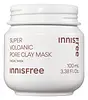 Key Ingredients
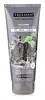
Benefits
Concerns
Ingredients Side-by-side
Water
Skin ConditioningButylene Glycol
Humectant

CI 77891
Cosmetic ColorantSilica
Abrasive


Glycerin
Humectant
Trehalose
Humectant
Volcanic Ash
Abrasive
Caprylic/Capric Triglyceride
Masking
Polyvinyl Alcohol
Bentonite
Absorbent
Kaolin
Abrasive
Glyceryl Stearate
Emollient

Cetearyl Alcohol
Emollient



Pvp
Emulsion Stabilising1,2-Hexanediol
Skin Conditioning
PEG-100 Stearate
Surfactant
Polysorbate 60
Emulsifying
Palmitic Acid
Emollient
Stearic Acid
Cleansing
CI 77499
Cosmetic ColorantHydrogenated Vegetable Oil
Emollient
Xanthan Gum
EmulsifyingJuglans Regia Shell Powder
Abrasive
Sorbitan Stearate
Emulsifying
Zea Mays Starch
Absorbent
Polyacrylate-13
Polysorbate 20
Emulsifying
CI 77492
Cosmetic ColorantMannitol
Humectant
Microcrystalline Cellulose
AbsorbentSodium Metaphosphate
BufferingLactic Acid
Buffering



Lactic Acid/Glycolic Acid Copolymer
Skin ConditioningPolyisobutene
CI 77491
Cosmetic ColorantMenthoxypropanediol
Masking
Tetrasodium Pyrophosphate
BufferingEthylhexylglycerin
Skin ConditioningSorbitan Isostearate
Emulsifying
Polyquaternium-10
Lecithin
Emollient
Tocopherol
Antioxidant


Water, Butylene Glycol, CI 77891, Silica, Glycerin, Trehalose, Volcanic Ash, Caprylic/Capric Triglyceride, Polyvinyl Alcohol, Bentonite, Kaolin, Glyceryl Stearate, Cetearyl Alcohol, Pvp, 1,2-Hexanediol, PEG-100 Stearate, Polysorbate 60, Palmitic Acid, Stearic Acid, CI 77499, Hydrogenated Vegetable Oil, Xanthan Gum, Juglans Regia Shell Powder, Sorbitan Stearate, Zea Mays Starch, Polyacrylate-13, Polysorbate 20, CI 77492, Mannitol, Microcrystalline Cellulose, Sodium Metaphosphate, Lactic Acid, Lactic Acid/Glycolic Acid Copolymer, Polyisobutene, CI 77491, Menthoxypropanediol, Tetrasodium Pyrophosphate, Ethylhexylglycerin, Sorbitan Isostearate, Polyquaternium-10, Lecithin, Tocopherol
Sucrose
Humectant
Propylene Glycol
Humectant
Charcoal
Abrasive
Kaolin
Abrasive
Musa Sapientum Fruit Extract
Skin ConditioningNelumbo Nucifera Extract
Skin ConditioningZingiber Officinale Root Extract
Masking
Psidium Guajava Fruit Extract
AstringentCymbopogon Schoenanthus Extract
Skin ConditioningCarica Papaya Fruit Extract
Skin ConditioningMaranta Arundinacea Root Extract
SmoothingRubus Idaeus Fruit Extract
AstringentSantalum Album Extract
CleansingMacrocystis Pyrifera Extract
Skin Conditioning
Nasturtium Officinale Extract
Perfuming
Aleurites Moluccanus Extract
AstringentLavandula Angustifolia Oil
Masking

Carbomer
Emulsion StabilisingPhenoxyethanol
Preservative
Parfum
Masking
CI 77491
Cosmetic ColorantSucrose, Propylene Glycol, Charcoal, Kaolin, Musa Sapientum Fruit Extract, Nelumbo Nucifera Extract, Zingiber Officinale Root Extract, Psidium Guajava Fruit Extract, Cymbopogon Schoenanthus Extract, Carica Papaya Fruit Extract, Maranta Arundinacea Root Extract, Rubus Idaeus Fruit Extract, Santalum Album Extract, Macrocystis Pyrifera Extract, Nasturtium Officinale Extract, Aleurites Moluccanus Extract, Lavandula Angustifolia Oil, Carbomer, Phenoxyethanol, Parfum, CI 77491
Reviews
Alternatives
Ingredients Explained
These ingredients are found in both products.
Ingredients higher up in an ingredient list are typically present in a larger amount.
Ci 77491 is also hydrated iron III oxide. It's sole purpose is to give a red/pink hue to products.
Iron III oxides are classified as inorganic chemicals for coloring.
Synthetically created Ci 77491 is considered safer than those naturally found. This is because the synthetically created version may contain less impurities. Iron oxides are generally non-toxic and non-allergenic.
Learn more about CI 77491Kaolin is a clay. It is used for oil control and to help minimize pores. Like other clays, kaolin has the ability to absorb excess sebum or oil. This can help clean out pores and mattify the skin.
Some types of kaolin may have exfoliating properties. When water is added to kaolin, it becomes a paste with small abrasive particles.
Most kaolin is a white color, but may be pink/orange/red depending on where it comes from.
The name 'kaolin' comes from a Chinese village named 'Gaoling'. Kaolin clay comes from rocks rich in kaolinite. Kaolinite, the mineral, has a silicate layered structure. Kaolinite is formed from chemical weathering of aluminum siilicate minerals.
Besides skincare, kaolin is commonly used to make glossy paper, in ceramics, toothpaste, and as medicine to soothe stomach issues.
Learn more about Kaolin

