
What's inside
What's inside
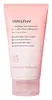 Key Ingredients
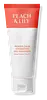
No key ingredients
Benefits
Concerns
Ingredients Side-by-side
Water
Skin ConditioningGlycerin
Humectant


Sodium Cocoyl Alaninate
Surfactant
Disodium Cocoamphodiacetate
CleansingLauryl Hydroxysultaine
CleansingQuillaja Saponaria Bark Extract
CleansingPrunus Yedoensis Leaf Extract
Skin ConditioningBetaine
Humectant
1,2-Hexanediol
Skin Conditioning
Acrylates/C10-30 Alkyl Acrylate Crosspolymer
Emulsion StabilisingCaprylyl Glycol
Emollient
Sodium Chloride
MaskingCoco-Glucoside
Cleansing
Sodium Cocoyl Isethionate
Cleansing
Sodium Phytate
Propanediol
Solvent
Hexylene Glycol
EmulsifyingCyanocobalamin
Skin ConditioningXanthan Gum
EmulsifyingParfum
Masking



Water, Glycerin, Sodium Cocoyl Alaninate, Disodium Cocoamphodiacetate, Lauryl Hydroxysultaine, Quillaja Saponaria Bark Extract, Prunus Yedoensis Leaf Extract, Betaine, 1,2-Hexanediol, Acrylates/C10-30 Alkyl Acrylate Crosspolymer, Caprylyl Glycol, Sodium Chloride, Coco-Glucoside, Sodium Cocoyl Isethionate, Sodium Phytate, Propanediol, Hexylene Glycol, Cyanocobalamin, Xanthan Gum, Parfum
Water
Skin ConditioningGlycerin
Humectant
Sorbitol
Humectant
Coco-Glucoside
Cleansing
Tea-Cocoyl Glutamate
Cleansing
Sodium Citrate
BufferingButylene Glycol
Humectant
Camellia Japonica Flower Extract
EmollientCamellia Sinensis Leaf Extract
Antimicrobial





Centella Asiatica Extract
Cleansing
Chamomilla Recutita Flower Extract
Masking
Glycyrrhiza Glabra Root Extract
Bleaching
Scutellaria Baicalensis Root Extract
Astringent
Panthenol
Skin Conditioning
Cucumis Sativus Fruit Extract
Emollient
Prunus Persica Fruit Extract
Abrasive
Hydrolyzed Hyaluronic Acid
Humectant
Sodium Hyaluronate
Humectant
Tocopherol
Antioxidant
Sodium Acetylated Hyaluronate
Humectant
Zingiber Officinale Root Extract
Masking
Propanediol
Solvent
Aloe Barbadensis Leaf Juice Powder
Skin Conditioning
Rosmarinus Officinalis Leaf Extract
AntimicrobialCellulose Gum
Emulsion StabilisingEthylhexylglycerin
Skin ConditioningPolygonum Cuspidatum Root Extract
Antioxidant
1,2-Hexanediol
Skin Conditioning
Pantolactone
Humectant
Chlorphenesin
Antimicrobial
Dipotassium Glycyrrhizate
Humectant
Polyglyceryl-10 Caprylate/Caprate
EmulsifyingAcrylates/C10-30 Alkyl Acrylate Crosspolymer
Emulsion StabilisingTrisodium Ethylenediamine Disuccinate
Polyglyceryl-10 Laurate
Skin Conditioning
Lavandula Angustifolia Oil
Masking



Pelargonium Graveolens Flower Oil
Masking
Water, Glycerin, Sorbitol, Coco-Glucoside, Tea-Cocoyl Glutamate, Sodium Citrate, Butylene Glycol, Camellia Japonica Flower Extract, Camellia Sinensis Leaf Extract, Centella Asiatica Extract, Chamomilla Recutita Flower Extract, Glycyrrhiza Glabra Root Extract, Scutellaria Baicalensis Root Extract, Panthenol, Cucumis Sativus Fruit Extract, Prunus Persica Fruit Extract, Hydrolyzed Hyaluronic Acid, Sodium Hyaluronate, Tocopherol, Sodium Acetylated Hyaluronate, Zingiber Officinale Root Extract, Propanediol, Aloe Barbadensis Leaf Juice Powder, Rosmarinus Officinalis Leaf Extract, Cellulose Gum, Ethylhexylglycerin, Polygonum Cuspidatum Root Extract, 1,2-Hexanediol, Pantolactone, Chlorphenesin, Dipotassium Glycyrrhizate, Polyglyceryl-10 Caprylate/Caprate, Acrylates/C10-30 Alkyl Acrylate Crosspolymer, Trisodium Ethylenediamine Disuccinate, Polyglyceryl-10 Laurate, Lavandula Angustifolia Oil, Pelargonium Graveolens Flower Oil
Reviews
Ingredients Explained
These ingredients are found in both products.
Ingredients higher up in an ingredient list are typically present in a larger amount.
1,2-Hexanediol is a synthetic liquid and another multi-functional powerhouse.
It is a:
- Humectant, drawing moisture into the skin
- Emollient, helping to soften skin
- Solvent, dispersing and stabilizing formulas
- Preservative booster, enhancing the antimicrobial activity of other preservatives
Acrylates/C10-30 Alkyl Acrylate Crosspolymer is a synthetic polymer. It is used to thicken, emulsify, and improve the texture of products.
As an emulsifier, it helps stabilize oil-in-water emulsions to give products an elegant feel when applied.
It can also form a thin protective film on skin. One study found that a formula using this polymer helped slow down how quickly other ingredients (like DEET) were absorbed through skin.
A 2024 study of over 1,300 patients confirmed that sensitization to this ingredient is rare. It is also non-mutagenic and has a clean track record.
Learn more about Acrylates/C10-30 Alkyl Acrylate CrosspolymerCoco-Glucoside is a surfactant, or a cleansing ingredient. It is made from glucose and coconut oil.
Surfactants help gather dirt, oil, and other pollutants from your skin to be rinsed away.
This ingredient is considered gentle and non-comedogenic. However, it may still be irritating for some.
Learn more about Coco-GlucosideGlycerin (or glycerol) is a compound naturally found in your skin. It's a powerhouse humectant that pulls water into the stratum corneum.
Topically, glycerin does several things at once:
Your skin makes glycerin on its own (mostly from sebaceous oil breakdown) and shuttles it to your outermost layer of skin, or your epidermis, via aquaporin-3.
Aquaporin-3 is a transporter that is essential for normal skin hydration, elasticity, and repair. Interestingly, mice lacking in AQP3 have dry and less elastic skin that can be fully corrected with glycerin.
This ingredient is non-irritating, plays well with almost every ingredient, and works across all skin types. Typical use is anywhere between 3-10% but can go up to 79% in some leave-on products.
Just know very high concentrations (>40%) can feel tacky in low humidity.
Glycerin is the name for this ingredient in American English. British English uses Glycerol/Glycerine.
Learn more about GlycerinPropanediol is an all-star ingredient. It softens, hydrates, and smooths the skin.
It’s often used to:
Propanediol is not likely to cause sensitivity and considered safe to use. It is derived from corn or petroleum with a clear color and no scent.
Learn more about PropanediolWater. It's the most common cosmetic ingredient of all. You'll usually see it at the top of ingredient lists, meaning that it makes up the largest part of the product.
So why is it so popular? Water most often acts as a solvent - this means that it helps dissolve other ingredients into the formulation.
You'll also recognize water as that liquid we all need to stay alive. If you see this, drink a glass of water. Remember to stay hydrated!
Learn more about Water
