inde wild 12% Zinc Oxide AM Sunscreen Glow Drops SPF 50+ Versus Watsons Aqua Sun Protection Gel SPF50 PA++++
This hybrid sunscreen covers the full UV range and blocks ~98% of UVB at SPF 50.
This chemical sunscreen covers most of the UV range, lighter on the deep UVA that drives aging.


What's inside
What's inside
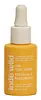 Key Ingredients
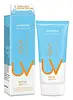
Benefits
Concerns
Ingredients Side-by-side
Zinc Oxide 12%
Cosmetic Colorant


Water
Skin ConditioningC12-15 Alkyl Benzoate
AntimicrobialCaprylic/Capric Triglyceride
Masking


Jojoba Esters
Emollient

Propanediol
Solvent
Tridecyl Salicylate
Skin Conditioning
Methylheptyl Isostearate
Skin ConditioningPolyglyceryl-4 Diisostearate/Polyhydroxystearate/Sebacate
Emulsifying
Niacinamide
Smoothing









Nylon-12
Methylpropanediol
SolventSilica
Abrasive
Coco-Caprylate
Emollient
Polyglyceryl-2 Dipolyhydroxystearate
Skin Conditioning
Sodium Chloride
MaskingCaprylyl Glycol
Emollient
Bisabolol
Antioxidant
Allantoin
Skin Conditioning
Oryza Sativa Bran Extract
Skin Conditioning
Lecithin
Emollient
Centella Asiatica Extract
Cleansing
Phenylpropanol
Masking

Helianthus Annuus Extract
Emollient
Glycyrrhiza Glabra Root Extract
Bleaching
Tocopherol
Antioxidant
Rosmarinus Officinalis Leaf Extract
AntimicrobialTetrasodium Glutamate Diacetate
ChelatingSodium Hydroxide
BufferingZinc Oxide 12%, Water, C12-15 Alkyl Benzoate, Caprylic/Capric Triglyceride, Jojoba Esters, Propanediol, Tridecyl Salicylate, Methylheptyl Isostearate, Polyglyceryl-4 Diisostearate/Polyhydroxystearate/Sebacate, Niacinamide, Nylon-12, Methylpropanediol, Silica, Coco-Caprylate, Polyglyceryl-2 Dipolyhydroxystearate, Sodium Chloride, Caprylyl Glycol, Bisabolol, Allantoin, Oryza Sativa Bran Extract, Lecithin, Centella Asiatica Extract, Phenylpropanol, Helianthus Annuus Extract, Glycyrrhiza Glabra Root Extract, Tocopherol, Rosmarinus Officinalis Leaf Extract, Tetrasodium Glutamate Diacetate, Sodium Hydroxide
Water
Skin ConditioningDicaprylyl Carbonate
EmollientGlycerin
Humectant
Diethylamino Hydroxybenzoyl Hexyl Benzoate
UV Filter
Dipropylene Glycol
HumectantHydrogenated Polyisobutene
EmollientDibutyl Adipate
EmollientEthylhexyl Triazone
UV Absorber
Niacinamide
Smoothing
Ethylhexyl Olivate
Skin Conditioning
Cetearyl Olivate
Ethyl Hexanediol
SolventSodium Acrylates Copolymer
Sorbitan Olivate
Emulsifying
Polyglyceryl-4 Oleate
Emulsifying
Glyceryl Caprylate
EmollientDisodium EDTA
ChelatingAdenosine
Skin Conditioning
1,2-Hexanediol
Skin Conditioning
Hyaluronic Acid
Humectant
Tocopherol
Antioxidant
Ethylhexylglycerin
Skin ConditioningWater, Dicaprylyl Carbonate, Glycerin, Diethylamino Hydroxybenzoyl Hexyl Benzoate, Dipropylene Glycol, Hydrogenated Polyisobutene, Dibutyl Adipate, Ethylhexyl Triazone, Niacinamide, Ethylhexyl Olivate, Cetearyl Olivate, Ethyl Hexanediol, Sodium Acrylates Copolymer, Sorbitan Olivate, Polyglyceryl-4 Oleate, Glyceryl Caprylate, Disodium EDTA, Adenosine, 1,2-Hexanediol, Hyaluronic Acid, Tocopherol, Ethylhexylglycerin
Reviews
Ingredients Explained
These ingredients are found in both products.
Ingredients higher up in an ingredient list are typically present in a larger amount.
Niacinamide is a multitasking form of vitamin B3 that strengthens the skin barrier, reduces pores and dark spots, regulates oil, and improves signs of aging.
And the best part? It's gentle and well-tolerated by most skin types, including sensitive and reactive skin.
You might have heard of "niacin flush", or the reddening of skin that causes itchiness. Niacinamide has not been found to cause this.
In very rare cases, some individuals may not be able to tolerate niacinamide at all or experience an allergic reaction to it.
If you are experiencing flaking, irritation, and dryness with this ingredient, be sure to double check all your products as this ingredient can be found in all categories of skincare.
When incorporating niacinamide into your routine, look out for concentration amounts. Typically, 5% niacinamide provides benefits such as fading dark spots. However, if you have sensitive skin, it is better to begin with a smaller concentration.
When you apply niacinamide to your skin, your body converts it into nicotinamide adenine dinucleotide (NAD). NAD is an essential coenzyme that is already found in your cells as "fuel" and powers countless biological processes.
In your skin, NAD helps repair cell damage, produce new healthy cells, support collagen production, strengthen the skin barrier, and fight environmental stressors (like UV and pollution).
Our natural NAD levels start to decline with age, leading to slower skin repair, visible aging, and a weaker skin barrier. By providing your skin niacinamide, you're recharging your skin's NAD levels. This leads to stronger, healthier, and younger looking skin.
Another name for vitamin B3 is nicotinamide. This vitamin is water-soluble and our bodies don't store it. We obtain Vitamin B3 from either food or skincare. Meat, fish, wheat, yeast, and leafy greens contain vitamin B3.
The type of niacinamide used in skincare is synthetically created.
Learn more about NiacinamideTocopherol is a fat-soluble antioxidant known as Vitamin E.
You'll find this ingredient in the vast majority of skincare (for good reason). It works to neutralize free radicals, or unstable molecules generated by UV exposure, pollution, and other environmental stressors, before they can cause oxidative damage to your skin cells.
Topically applied tocopherol has been shown to protect against UV damage by ramping up the skin's own natural defense enzymes.
It also acts as a skin conditioning agent; some studies show that regular topical use can improve the skin's water-binding capacity over 2-4 weeks.
This ingredient is especially loved for being a team player. When combined with Vitamin C, the photoprotective effect of both ingredients roughly doubles and the combo also helps reduce UV-induced DNA damage.
This ingredient has some brightening potential but it's more of a prevention ingredient than spot-fader. Cell studies show it can slow down melanin production but it's worth noting that it's not the most powerful brightener out there.
In formulations, it also serves as a stabilizer that helps protect other oxidation-prone ingredients from degrading.
Concentrations usually range from 0.1-1% in most leave-on products.
Learn more about TocopherolWater. It's the most common cosmetic ingredient of all. You'll usually see it at the top of ingredient lists, meaning that it makes up the largest part of the product.
So why is it so popular? Water most often acts as a solvent - this means that it helps dissolve other ingredients into the formulation.
You'll also recognize water as that liquid we all need to stay alive. If you see this, drink a glass of water. Remember to stay hydrated!
Learn more about Water

