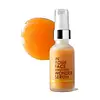
This anti-aging serum is formulated around Bakuchiol and Aloe Barbadensis Leaf Juice to soften the look of wrinkles and strengthen the skin barrier.
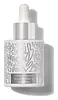
This brightening serum is formulated around Aloe Barbadensis Leaf Juice and 3-O-Ethyl Ascorbic Acid to brighten dull-looking skin and fade the look of dark spots.

What's inside
What's inside
 Key Ingredients
Benefits
Concerns
Ingredients Side-by-side
Aloe Barbadensis Leaf Juice
Skin Conditioning


Glycerin
Humectant

Xanthan Gum
EmulsifyingLecithin
Emollient
Sclerotium Gum
Emulsion StabilisingPullulan
Leuconostoc/Radish Root Ferment Filtrate
Antimicrobial

Lactobacillus/Portulaca Oleracea Ferment Extract
Antioxidant
Dimethyl Sulfone
SolventBakuchiol
Antimicrobial





Simmondsia Chinensis Seed Oil
Emollient
Phyllanthus Emblica Fruit Extract
HumectantHippophae Rhamnoides Fruit Oil
Skin Protecting
Glycyrrhiza Glabra Root Extract
Bleaching
Centella Asiatica Extract
Cleansing
Ceramide NP
Skin Conditioning
Ceramide AP
Skin Conditioning
Ceramide EOP
Skin Conditioning
Phytosphingosine
Skin Conditioning
Cholesterol
Emollient
Beta-Carotene
Skin ConditioningOlea Europaea Fruit Oil
Masking


Tocopheryl Acetate
Antioxidant
Cassia Angustifolia Seed Polysaccharide
Skin ConditioningPelargonium Graveolens Oil
Masking


Squalane
Emollient
Ubiquinone
Antioxidant
Sodium Lauroyl Lactylate
EmulsifyingCarbomer
Emulsion StabilisingPolysorbate 20
Emulsifying
Potassium Sorbate
Preservative
Ethylhexylglycerin
Skin ConditioningAloe Barbadensis Leaf Juice, Glycerin, Xanthan Gum, Lecithin, Sclerotium Gum, Pullulan, Leuconostoc/Radish Root Ferment Filtrate, Lactobacillus/Portulaca Oleracea Ferment Extract, Dimethyl Sulfone, Bakuchiol, Simmondsia Chinensis Seed Oil, Phyllanthus Emblica Fruit Extract, Hippophae Rhamnoides Fruit Oil, Glycyrrhiza Glabra Root Extract, Centella Asiatica Extract, Ceramide NP, Ceramide AP, Ceramide EOP, Phytosphingosine, Cholesterol, Beta-Carotene, Olea Europaea Fruit Oil, Tocopheryl Acetate, Cassia Angustifolia Seed Polysaccharide, Pelargonium Graveolens Oil, Squalane, Ubiquinone, Sodium Lauroyl Lactylate, Carbomer, Polysorbate 20, Potassium Sorbate, Ethylhexylglycerin
Aloe Barbadensis Leaf Juice
Skin Conditioning
Water
Skin ConditioningGlycerin
Humectant
3-O-Ethyl Ascorbic Acid
Skin Conditioning

Glyceryl Oleate Citrate
Emulsifying
Adansonia Digitata Seed Oil
Emollient
Sodium Hyaluronate
Humectant
Propanediol
Solvent
Bakuchiol
Antimicrobial
Morus Nigra Leaf Extract
Skin ConditioningPhyllanthus Emblica Fruit Extract
HumectantArctostaphylos Uva-Ursi Leaf Extract
Skin Conditioning
Terminalia Ferdinandiana Fruit Extract
Antioxidant
Ferulic Acid
Antimicrobial
Glycyrrhiza Glabra Root Extract
Bleaching
Caprylic/Capric Triglyceride
Masking
Pentylene Glycol
Skin Conditioning
Sclerotium Gum
Emulsion StabilisingAcacia Senegal Gum
MaskingLeuconostoc/Radish Root Ferment Filtrate
Antimicrobial
Hydroxypropyl Cyclodextrin
MaskingPhenethyl Alcohol
MaskingSodium Hydroxide
BufferingAloe Barbadensis Leaf Juice, Water, Glycerin, 3-O-Ethyl Ascorbic Acid, Glyceryl Oleate Citrate, Adansonia Digitata Seed Oil, Sodium Hyaluronate, Propanediol, Bakuchiol, Morus Nigra Leaf Extract, Phyllanthus Emblica Fruit Extract, Arctostaphylos Uva-Ursi Leaf Extract, Terminalia Ferdinandiana Fruit Extract, Ferulic Acid, Glycyrrhiza Glabra Root Extract, Caprylic/Capric Triglyceride, Pentylene Glycol, Sclerotium Gum, Acacia Senegal Gum, Leuconostoc/Radish Root Ferment Filtrate, Hydroxypropyl Cyclodextrin, Phenethyl Alcohol, Sodium Hydroxide
Ingredients Explained
These ingredients are found in both products.
Ingredients higher up in an ingredient list are typically present in a larger amount.
Aloe Barbadensis Leaf Juice is the filtered, stabilized liquid pressed from the inner gel of the aloe vera leaf.
In cosmetics, it shows up as either soothing active or a water-replacement base. It is roughly 98-99% water and the last 1-2% is an interesting mix of polysaccharides, amino acids, vitamins, minerals, and enzymes.
The polysaccharides do most of the work: they bind water at the skin surface for a light, non-greasy hydration boost. And one of the polysaccharides, glycomannan, is linked to fibroblast stimulation + collagen synthesis. This is also why aloe has such a long track record in wound and burn healing.
This ingredient is also calming with anti-inflammatory and mild antimicrobial activity, making it a great pick for sensitive, irritated, or post-sun skin.
Realistic expectations matter though; the solid evidence is mostly limited to hydration, soothing, and wound support. Deeper claims about anti-aging or sun protection are not well backed, and science reviews note it does not prevent radiation-induced skin injury.
Because it plays well with almost everything, it's commonly used as a base alongside other actives like niacinamide or vitamin C.
Typical usage concentrations range from 0.5% (where hydration benefits already show up) all the way to 90%+ (where it replaces water as the main base).
The safety for this ingredient is well-establish as well. Overall, this is a great supporting ingredient for those who want a boost in hydration.
Learn more about Aloe Barbadensis Leaf JuiceBakuchiol is a plant-derived antioxidant from the seeds of the Psoralea corylifolia plant. It has antimicrobial, emollient, skin conditioning, and antioxidant properties.
You'll likely see it called a "retinol replacement" but the two are technically not related. This is because bakuchiol is able to flip many of the same switches in your skin cells to tell them to:
1) produce more collagen (type I, III, and IV)
2) activate the same genes retinoids do
Unlike retinoids, this ingredient will not increase photosensitivity and is safe to use during pregnancy (but please still check in with your doctor!).
The flagship clinical trial from Dhaliwal et al. 2019 found 0.5% bakuchiol (twice daily) and 0.5% retinol (once daily) reduced wrinkles and hyperpigmentation equally, but bakuchiol had significantly less irritation.
Systematic reviews also back this up:
Bakuchiol is comparable to retinol for photoaging but with better tolerability. It also has mild antibacterial properties against Cutibacterium acnes and antifungal activity in vitro against Candida and dermatophytes.
The reason bakuchiol works well is due to its structure; it is a meroterpene phenol, or a hybrid molecule. The phenol half acts as an antioxidant while the terpene half is fat-loving. This helps the molecule slip through the skin barrier.
This ingredient is usually used between 0.5-2%. Only one case of contact dermatitis has ever been reported for this ingredient.
Learn more about BakuchiolGlycerin (or glycerol) is a compound naturally found in your skin. It's a powerhouse humectant that pulls water into the stratum corneum.
Topically, glycerin does several things at once:
Your skin makes glycerin on its own (mostly from sebaceous oil breakdown) and shuttles it to your outermost layer of skin, or your epidermis, via aquaporin-3.
Aquaporin-3 is a transporter that is essential for normal skin hydration, elasticity, and repair. Interestingly, mice lacking in AQP3 have dry and less elastic skin that can be fully corrected with glycerin.
This ingredient is non-irritating, plays well with almost every ingredient, and works across all skin types. Typical use is anywhere between 3-10% but can go up to 79% in some leave-on products.
Just know very high concentrations (>40%) can feel tacky in low humidity.
Glycerin is the name for this ingredient in American English. British English uses Glycerol/Glycerine.
Learn more about GlycerinGlycyrrhiza Glabra Root Extract is an extract of the roots of Licorice. It has been found to have several benefits such as skin hydrating, conditioning, and soothing.
One component, glabridin, has extra potent antioxidant and soothing properties. It has also been found to block pigmentation from UVB rays in guinea pigs.
Licorice Root also contains a flavonoid. Flavonoids are a natural substance from in plants. Flavonoids also have antioxidant properties.
Another component, glycyrrhizin, has been found to have anti-inflammatory and antimicrobial benefits. This may make licorice root extract effective at treating acne. However, more research is needed to support this.
Liquiritin is one of the flavone compounds found in licorice. It has been found to help lighten skin by preventing tyrosinase from reacting with tyrosine. When the two react, protein is converted to melanin. Melanin is the substance in your body that gives your features pigmentation.
Learn more about Glycyrrhiza Glabra Root ExtractLeuconostoc/Radish Root Ferment Filtrate is a natural preservative. It comes from fermenting radish roots with a bacteria called leuconostoc. The trade name for this ingredient is Leucidal.
Leuconostoc comes from lactic acid.
This ingredient has antimicrobial properties and helps prevent the growth of bacteria in a product.
Leuconostoc is used to make the traditional Korean side-dish, kimchi. It is also used to make sourdough bread (both incredibly yummy foods).
Learn more about Leuconostoc/Radish Root Ferment FiltrateThis ingredient is also known as Indian Gooseberry or Amla Berry. It is skin hydrating and antioxidant rich.
Indian gooseberry is rich in antioxidants such as polyphenols, tannins, and vitamin C compounds.
Sclerotium Gum is a natural sugar-based fiber made by fermenting a fungus called Sclerotium rolfsii. It's often used as the plant-friendly alternative for synthetic thickeners like carbomer.
In skincare, it works as a thickener, gel former, and stabilizer that keeps heavy ingredients suspended so a product does not separate.
It is non-ionic and forms a triple helix in solution. This is just a fancy way of saying it builds a smooth, cushiony, and non-sticky gel that feels silkier than many other gums.
Another perk of this ingredient is that it is very sturdy and holds up across a wide pH range (~2-11). It's also good at resisting heat and hydrolysis.
Since it holds water at the skin surface, it can provide some light hydration as well.
Typical use levels are around 0.25-2%; formulators usually use 0.2-0.5% to thicken lotions and up to 2% for a firmer gel base.
This ingredient has been found safe in cosmetics with no meaningful evidence of skin sensitization.
Learn more about Sclerotium Gum

