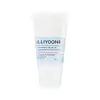
This barrier-repair moisturizer is formulated around Hydroxypropyl Bispalmitamide Mea and Panax Ginseng Root Water to strengthen the skin barrier and hydrate skin.
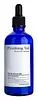
This hydrating serum is formulated around Olea Europaea Fruit Oil and Caprylic/Capric Triglyceride to hydrate skin and strengthen the skin barrier.

What's inside
What's inside
 Key Ingredients
No key ingredients
Benefits
Concerns
Ingredients Side-by-side
Water
Skin ConditioningButylene Glycol
Humectant

Glycerin
Humectant
Dimethicone
Emollient
Pentaerythrityl Tetraisostearate
Emollient

Hydrogenated Poly(C6-14 Olefin)
EmollientStearic Acid
Cleansing
Behenyl Alcohol
Emollient
Palmitic Acid
Emollient

Cetyl Ethylhexanoate
Emollient1,2-Hexanediol
Skin Conditioning
Arachidyl Alcohol
Emollient
C14-22 Alcohols
Emulsion Stabilising
Hydroxypropyl Bispalmitamide Mea
Emollient
Polyacrylate-13
Arachidyl Glucoside
EmulsifyingMannitol
Humectant
C12-20 Alkyl Glucoside
EmulsifyingPolyisobutene
Glyceryl Caprylate
EmollientPanax Ginseng Root Water
Masking

Ethylhexylglycerin
Skin ConditioningAcrylates/Ammonium Methacrylate Copolymer
Polysorbate 20
Emulsifying
Sorbitan Isostearate
Emulsifying
Carbomer
Emulsion StabilisingPerilla Ocymoides Seed Extract
Antioxidant
Myristic Acid
Cleansing
Arachidic Acid
Cleansing
Cholesterol
Emollient
Bupleurum Falcatum Root Extract
Skin ConditioningAngelica Acutiloba Root Extract
Skin ConditioningOphiopogon Japonicus Root Extract
Skin ConditioningGlucose
Humectant
Silica
Abrasive


Glycine Max Oil
Emollient
Ceramide NP
Skin Conditioning

Phytosphingosine
Skin Conditioning
Hydrogenated Lecithin
Emulsifying
Tocopherol
Antioxidant


Canola Oil
Emollient
Rosmarinus Officinalis Leaf Extract
AntimicrobialWater, Butylene Glycol, Glycerin, Dimethicone, Pentaerythrityl Tetraisostearate, Hydrogenated Poly(C6-14 Olefin), Stearic Acid, Behenyl Alcohol, Palmitic Acid, Cetyl Ethylhexanoate, 1,2-Hexanediol, Arachidyl Alcohol, C14-22 Alcohols, Hydroxypropyl Bispalmitamide Mea, Polyacrylate-13, Arachidyl Glucoside, Mannitol, C12-20 Alkyl Glucoside, Polyisobutene, Glyceryl Caprylate, Panax Ginseng Root Water, Ethylhexylglycerin, Acrylates/Ammonium Methacrylate Copolymer, Polysorbate 20, Sorbitan Isostearate, Carbomer, Perilla Ocymoides Seed Extract, Myristic Acid, Arachidic Acid, Cholesterol, Bupleurum Falcatum Root Extract, Angelica Acutiloba Root Extract, Ophiopogon Japonicus Root Extract, Glucose, Silica, Glycine Max Oil, Ceramide NP, Phytosphingosine, Hydrogenated Lecithin, Tocopherol, Canola Oil, Rosmarinus Officinalis Leaf Extract
Coptis Japonica Extract
AntimicrobialButylene Glycol
Humectant
Olea Europaea Fruit Oil
Masking
Caprylic/Capric Triglyceride
Masking
1,2-Hexanediol
Skin Conditioning
Stearic Acid
Cleansing
Polysorbate 60
Emulsifying
Cetearyl Alcohol
Emollient
Glyceryl Stearate
Emollient
Sorbitan Sesquioleate
Emulsifying
Glyceryl Caprylate
EmollientHydroxyethylcellulose
Emulsion StabilisingCarbomer
Emulsion StabilisingArginine
Masking
Dimethicone
Emollient
Reviews
Ingredients Explained
These ingredients are found in both products.
Ingredients higher up in an ingredient list are typically present in a larger amount.
1,2-Hexanediol is a synthetic liquid and another multi-functional powerhouse.
It is a:
- Humectant, drawing moisture into the skin
- Emollient, helping to soften skin
- Solvent, dispersing and stabilizing formulas
- Preservative booster, enhancing the antimicrobial activity of other preservatives
Butylene Glycol (or BG) is used within cosmetic products for a few different reasons:
Overall, Butylene Glycol is a safe and well-rounded ingredient that works well with other ingredients.
Though this ingredient works well with most skin types, some people with sensitive skin may experience a reaction such as allergic rashes, closed comedones, or itchiness.
Learn more about Butylene GlycolCarbomer is a synthetic thickening and gelling agent. It's basically the ingredient that gives a lot of serums, gels, creams, and sunscreens their smooth, non-sticky texture.
Although legally permitted at very high levels, carbomers are normally used at concentrations below 1%.
It also needs to be neutralized to actually thicken, and because it is a large molecule, it doesn't really penetrate the skin barrier.
Allergy-wise, the risk is very low. Clinical studies show carbomers have low potential for skin irritation/sensitization even at concentrations up to 100%.
A 2024 UK study patch-tested 1,302 patients and found true allergy to the parent group of carbomer to be rare with no confirmed relevant reactions.
Learn more about CarbomerDimethicone is a type of synthetic silicone created from natural materials such as quartz. It is also known as polydimethylsiloxane.
What it does:
Dimethicone comes in different viscosities:
Depending on the viscosity, dimethicone has different properties.
Ingredients lists don't always show which type is used, so we recommend reaching out to the brand if you have questions about the viscosity.
This ingredient is unlikely to cause irritation because it does not get absorbed into skin. However, people with silicone allergies should be careful about using this ingredient.
Note: Dimethicone may contribute to pilling. This is because it is not oil or water soluble, so pilling may occur when layered with products. When mixed with heavy oils in a formula, the outcome is also quite greasy.
Learn more about DimethiconeGlyceryl Caprylate comes from glycerin and caprylic acid. It is an emollient, co-emulsifier, and preservative booster.
Its short C8 fatty acid chain makes it behave differently from its longer-chain emollient cousins like Glyceryl Stearate. It feels more lightweight, fast-absorbing, and silky instead of rich and waxy.
As a co-emulsifier, its "head" and "tail" sit at the oil-water interface. But overall, the short C8 tail and not being water soluble means it doesn't really have the muscle to emulsify a formula on its own. That's why you'll often see it paired with a primary emulsifier like Cetearyl Glucoside.
Interestingly, Glyceryl Caprylate acts as a preservative booster. This is because its fatty-acid backbone disrupts microbial lipid membranes. It shows excellent activity against bacteria and yeast but is weaker against mold.
Typical concentrations range from 0.5-1% and this ingredient is generally non-irritating.
Because this ingredient has a C8 fatty acid chain, it is outside the range that the Malassezia yeast metabolizes (making it fungal acne safe).
Learn more about Glyceryl CaprylateStearic Acid is a fatty acid that is already found in your skin. It's one of the free fatty acids that works alongside ceramides and cholesterols to maintain your barrier.
In cosmetics, it is a multitasker:
Safety-wise, the CIR Expert Panel has concluded it to be safe in cosmetics when formulated to be non-irritating and non-sensitizing.
Free stearic acid is a C18 fatty acid that the Malassezia yeast can substrate, so this ingredient may not be fungal acne safe.
Learn more about Stearic Acid

