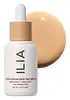
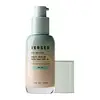
Ilia Super Serum Skin Tint SPF 40 Versus Versed Skin Solution Multi-Serum Skin Tint Foundation SPF 40

What's inside
What's inside
 Key Ingredients
Benefits
Concerns
Ingredients Side-by-side
Water
Skin ConditioningSqualane
Emollient


Shea Butter Ethyl Esters
Emollient

Isoamyl Laurate
Emollient
Polyglyceryl-3 Ricinoleate
Emulsifying
Butyloctyl Salicylate
Skin Conditioning

Propanediol
Solvent
Isopropyl Isostearate
Emollient


Polyglyceryl-3 Diisostearate
Emulsifying
Methylpropanediol
SolventNiacinamide
Smoothing









Sodium Chloride
MaskingLecithin
Emollient
Caprylyl Glycol
Emollient
Silica
Abrasive
Aloe Barbadensis Leaf Juice Powder
Skin Conditioning
Bisabolol
Antioxidant
Hydrolyzed Sodium Hyaluronate
Skin Conditioning
Allantoin
Skin Conditioning
Phenylpropanol
Masking

Sodium Myristoyl Glutamate
CleansingSodium Hyaluronate
Humectant
Tetrasodium Glutamate Diacetate
ChelatingAluminum Hydroxide
EmollientPolyhydroxystearic Acid
Emulsifying
CI 77491
Cosmetic ColorantCI 77492
Cosmetic ColorantCI 77499
Cosmetic ColorantCI 77891
Cosmetic ColorantWater, Squalane, Shea Butter Ethyl Esters, Isoamyl Laurate, Polyglyceryl-3 Ricinoleate, Butyloctyl Salicylate, Propanediol, Isopropyl Isostearate, Polyglyceryl-3 Diisostearate, Methylpropanediol, Niacinamide, Sodium Chloride, Lecithin, Caprylyl Glycol, Silica, Aloe Barbadensis Leaf Juice Powder, Bisabolol, Hydrolyzed Sodium Hyaluronate, Allantoin, Phenylpropanol, Sodium Myristoyl Glutamate, Sodium Hyaluronate, Tetrasodium Glutamate Diacetate, Aluminum Hydroxide, Polyhydroxystearic Acid, CI 77491, CI 77492, CI 77499, CI 77891
Zinc Oxide 13.1%
Cosmetic Colorant
Water
Skin ConditioningCoco-Caprylate/Caprate
Emollient
C9-12 Alkane
SolventPropanediol
Solvent
Butyloctyl Salicylate
Skin Conditioning
Glycerin
Humectant
Polyglyceryl-2 Dipolyhydroxystearate
Skin Conditioning
C15-19 Alkane
SolventPolyglyceryl-4 Isostearate
Emulsifying
Polyhydroxystearic Acid
Emulsifying
Magnesium Sulfate
Tocopheryl Acetate
Antioxidant
Terminalia Ferdinandiana Fruit Extract
Antioxidant
Jojoba Esters
Emollient
Hydrolyzed Sodium Hyaluronate
Skin Conditioning
Hydroxyacetophenone
Antioxidant
Triheptanoin
Skin ConditioningTriethyl Citrate
Masking
Polyglyceryl-3 Polyricinoleate
Emulsifying
Dilinoleic Acid/Butanediol Copolymer
Castor Oil/Ipdi Copolymer

Sorbitan Isostearate
Emulsifying
Mica
Cosmetic ColorantDisteardimonium Hectorite
StabilisingQuaternium-90 Bentonite
Phenoxyethanol
Preservative
Ethylhexylglycerin
Skin ConditioningTitanium Dioxide
Cosmetic Colorant
Iron Oxides
Zinc Oxide 13.1%, Water, Coco-Caprylate/Caprate, C9-12 Alkane, Propanediol, Butyloctyl Salicylate, Glycerin, Polyglyceryl-2 Dipolyhydroxystearate, C15-19 Alkane, Polyglyceryl-4 Isostearate, Polyhydroxystearic Acid, Magnesium Sulfate, Tocopheryl Acetate, Terminalia Ferdinandiana Fruit Extract, Jojoba Esters, Hydrolyzed Sodium Hyaluronate, Hydroxyacetophenone, Triheptanoin, Triethyl Citrate, Polyglyceryl-3 Polyricinoleate, Dilinoleic Acid/Butanediol Copolymer, Castor Oil/Ipdi Copolymer, Sorbitan Isostearate, Mica, Disteardimonium Hectorite, Quaternium-90 Bentonite, Phenoxyethanol, Ethylhexylglycerin, Titanium Dioxide, Iron Oxides
Reviews
Ingredients Explained
These ingredients are found in both products.
Ingredients higher up in an ingredient list are typically present in a larger amount.
Butyloctyl Salicylate is a chemical UV filter structurally similar to octisalate. It is a photostabilizer, SPF booster, emollient and solvent. This ingredient helps evenly spread out ingredients.
According to a manufacturer, it is suitable for pairing with micro Titanium Dioxide, Zinc Oxide, and pigments.
Photostabilizers help stabilize UV-filters and prevents them from degrading quickly.
Learn more about Butyloctyl SalicylateThis ingredient is created by putting sodium hyaluronate through hydrolysis.
You might know this as 'mini' or 'ultra low-molecular weight' hyaluronic acid. The small molecule size means it is able to travel deeper in the skin.
According to studies, low molecular-weight hyaluronic acid can:
One study from 2011 found ultra-low weight HA to show pro-inflammatory properties. Another study from 2022 found it to downregulate UV-B induced inflammation.
Hydrolysis is a process of changing a molecule using water or enzymes.
This ingredient is water-soluble.
Learn more about Hydrolyzed Sodium HyaluronatePolyhydroxystearic Acid is a vegetable-derived soft wax made from castor oil. It's an emulsion stabilizer, thickener, and film former.
You'll likely see it in sunscreens because it helps disperse pigments and UV-reflecting minerals like titanium dioxide and zinc oxide evenly.
Depending on the concentration, it can drastically change the texture of a product from pasty solid (like lipstick) to sprayable liquid.
The CIR Expert Panel for Cosmetic Ingredient Safety has concluded this ingredient to be safe in cosmetics. The highest reported use concentration is 14.2% in lipsticks.
Learn more about Polyhydroxystearic AcidPropanediol is an all-star ingredient. It softens, hydrates, and smooths the skin.
It’s often used to:
Propanediol is not likely to cause sensitivity and considered safe to use. It is derived from corn or petroleum with a clear color and no scent.
Learn more about PropanediolWater. It's the most common cosmetic ingredient of all. You'll usually see it at the top of ingredient lists, meaning that it makes up the largest part of the product.
So why is it so popular? Water most often acts as a solvent - this means that it helps dissolve other ingredients into the formulation.
You'll also recognize water as that liquid we all need to stay alive. If you see this, drink a glass of water. Remember to stay hydrated!
Learn more about Water

