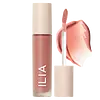
This barrier-repair lip moisturizer is formulated around Simmondsia Chinensis Seed Oil and Argania Spinosa Kernel Oil to strengthen the lip barrier and hydrate lips.

What's inside
What's inside
 Key Ingredients
Benefits
Concerns
Ingredients Side-by-side
Hydrogenated Polydecene
EmollientPolybutene
Hydrogenated Styrene/Isoprene Copolymer
Caprylic/Capric Triglyceride
Masking


Dipentaerythrityl Tetrahydroxystearate/Tetraisostearate
Skin Conditioning

Bis-Behenyl/Isostearyl/Phytosteryl Dimer Dilinoleyl Dimer Dilinoleate
EmollientEthylhexyl Palmitate
Emollient


Tocopherol
Antioxidant





Trigonella Foenum-Graecum Seed Extract
Perfuming
Undaria Pinnatifida Extract
Skin ConditioningCI 77891
Cosmetic ColorantCI 77492
Cosmetic ColorantCI 77491
Cosmetic ColorantCI 77499
Cosmetic ColorantCI 15850
Cosmetic ColorantHydrogenated Polydecene, Polybutene, Hydrogenated Styrene/Isoprene Copolymer, Caprylic/Capric Triglyceride, Dipentaerythrityl Tetrahydroxystearate/Tetraisostearate, Bis-Behenyl/Isostearyl/Phytosteryl Dimer Dilinoleyl Dimer Dilinoleate, Ethylhexyl Palmitate, Tocopherol, Trigonella Foenum-Graecum Seed Extract, Undaria Pinnatifida Extract, CI 77891, CI 77492, CI 77491, CI 77499, CI 15850
Diisostearyl Malate
EmollientHydrogenated Polyisobutene
EmollientPhytosteryl/Isostearyl/Cetyl/Stearyl/Behenyl Dimer Dilinoleate
Skin Conditioning
Polybutene
Hydrogenated Poly(C6-14 Olefin)
EmollientSynthetic Wax
Abrasive
Ethylene/Propylene/Styrene Copolymer
Sucrose Tetrastearate Triacetate
Emollient
Candelilla Wax Esters
Euphorbia Cerifera Wax
Mica
Cosmetic ColorantTocopheryl Acetate
Antioxidant
Aloe Barbadensis Leaf Extract
Emollient
Ethylhexylglycerin
Skin ConditioningCopernicia Cerifera Wax
Butylene/Ethylene/Styrene Copolymer
Camellia Japonica Seed Oil
Emollient
Simmondsia Chinensis Seed Oil
Emollient
Argania Spinosa Kernel Oil
Emollient
Squalane
Emollient
Prunus Amygdalus Dulcis Oil
Skin Conditioning
Ricinus Communis Seed Oil
Masking
Dehydroacetic Acid
Preservative
Pentaerythrityl Tetra-Di-T-Butyl Hydroxyhydrocinnamate
Antioxidant
Sorbitan Olivate
Emulsifying
Tocopherol
Antioxidant
Butylene Glycol
Humectant
3-O-Ethyl Ascorbic Acid
Skin Conditioning


Water
Skin ConditioningSodium Hyaluronate
Humectant
Panax Ginseng Root Extract
Emollient
Caproic Acid
Cleansing
Rosmarinus Officinalis Leaf Extract
AntimicrobialMaltodextrin
Absorbent
Asiaticoside
Antioxidant
Asiatic Acid
Skin Conditioning
Madecassic Acid
Skin Conditioning
Diisostearyl Malate, Hydrogenated Polyisobutene, Phytosteryl/Isostearyl/Cetyl/Stearyl/Behenyl Dimer Dilinoleate, Polybutene, Hydrogenated Poly(C6-14 Olefin), Synthetic Wax, Ethylene/Propylene/Styrene Copolymer, Sucrose Tetrastearate Triacetate, Candelilla Wax Esters, Euphorbia Cerifera Wax, Mica, Tocopheryl Acetate, Aloe Barbadensis Leaf Extract, Ethylhexylglycerin, Copernicia Cerifera Wax, Butylene/Ethylene/Styrene Copolymer, Camellia Japonica Seed Oil, Simmondsia Chinensis Seed Oil, Argania Spinosa Kernel Oil, Squalane, Prunus Amygdalus Dulcis Oil, Ricinus Communis Seed Oil, Dehydroacetic Acid, Pentaerythrityl Tetra-Di-T-Butyl Hydroxyhydrocinnamate, Sorbitan Olivate, Tocopherol, Butylene Glycol, 3-O-Ethyl Ascorbic Acid, Water, Sodium Hyaluronate, Panax Ginseng Root Extract, Caproic Acid, Rosmarinus Officinalis Leaf Extract, Maltodextrin, Asiaticoside, Asiatic Acid, Madecassic Acid
Ingredients Explained
These ingredients are found in both products.
Ingredients higher up in an ingredient list are typically present in a larger amount.
Polybutene is used to help control the viscosity of a product. This just means it helps adjusts the texture.
It is a polymer and does not get absorbed into the skin due to its large size.
Studies found this ingredient did not irritate skin in concentrations below 15%.
Learn more about PolybuteneTocopherol is a fat-soluble antioxidant known as Vitamin E.
You'll find this ingredient in the vast majority of skincare (for good reason). It works to neutralize free radicals, or unstable molecules generated by UV exposure, pollution, and other environmental stressors, before they can cause oxidative damage to your skin cells.
Topically applied tocopherol has been shown to protect against UV damage by ramping up the skin's own natural defense enzymes.
It also acts as a skin conditioning agent; some studies show that regular topical use can improve the skin's water-binding capacity over 2-4 weeks.
This ingredient is especially loved for being a team player. When combined with Vitamin C, the photoprotective effect of both ingredients roughly doubles and the combo also helps reduce UV-induced DNA damage.
This ingredient has some brightening potential but it's more of a prevention ingredient than spot-fader. Cell studies show it can slow down melanin production but it's worth noting that it's not the most powerful brightener out there.
In formulations, it also serves as a stabilizer that helps protect other oxidation-prone ingredients from degrading.
Concentrations usually range from 0.1-1% in most leave-on products.
Learn more about Tocopherol

