I'm from Honey Mask Versus I'm from Rice Mask
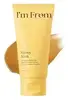
This wash off mask is made with Honey and Snail Secretion Filtrate for a rinse-off hydration boost.

What's inside
What's inside
 Key Ingredients
Benefits
Concerns
Ingredients Side-by-side
Honey
Humectant
Caprylic/Capric Triglyceride
Masking

PEG-7 Glyceryl Cocoate
Emulsifying



Disteardimonium Hectorite
StabilisingMacadamia Ternifolia Seed Oil
Emollient
Helianthus Annuus Seed Oil
Emollient
Pentylene Glycol
Skin Conditioning
Microcrystalline Wax
Emulsion StabilisingPolysorbate 20
Emulsifying
Butyrospermum Parkii Butter
Skin Conditioning

Beeswax
Emulsion Stabilising
Tocopheryl Acetate
Antioxidant


Argania Spinosa Kernel Extract
Skin ConditioningCorylus Avellana Seed Oil
Emollient
Simmondsia Chinensis Seed Oil
Emollient
Snail Secretion Filtrate
Skin Conditioning


Water
Skin ConditioningBambusa Vulgaris Water
Skin ConditioningNelumbo Nucifera Flower Water
TonicAloe Barbadensis Leaf Water
MaskingPropolis Extract
Skin Conditioning

Beta-Glucan
Skin Conditioning
Bee Venom
Astringent
Citrus Paradisi Fruit Extract
Skin ConditioningSophora Flavescens Extract
Skin ConditioningEugenia Caryophyllus Flower Extract
AstringentEucalyptus Globulus Leaf Extract
Perfuming
Punica Granatum Fruit Extract
Antioxidant
Bambusa Vulgaris Extract
Skin Conditioning
Butylene Glycol
Humectant
Glycerin
Humectant
Honey, Caprylic/Capric Triglyceride, PEG-7 Glyceryl Cocoate, Disteardimonium Hectorite, Macadamia Ternifolia Seed Oil, Helianthus Annuus Seed Oil, Pentylene Glycol, Microcrystalline Wax, Polysorbate 20, Butyrospermum Parkii Butter, Beeswax, Tocopheryl Acetate, Argania Spinosa Kernel Extract, Corylus Avellana Seed Oil, Simmondsia Chinensis Seed Oil, Snail Secretion Filtrate, Water, Bambusa Vulgaris Water, Nelumbo Nucifera Flower Water, Aloe Barbadensis Leaf Water, Propolis Extract, Beta-Glucan, Bee Venom, Citrus Paradisi Fruit Extract, Sophora Flavescens Extract, Eugenia Caryophyllus Flower Extract, Eucalyptus Globulus Leaf Extract, Punica Granatum Fruit Extract, Bambusa Vulgaris Extract, Butylene Glycol, Glycerin
Water
Skin ConditioningGlycerin
Humectant
Dipropylene Glycol
HumectantOryza Sativa Powder
Cetearyl Ethylhexanoate
Emollient
Oryza Sativa Hull Powder
Abrasive
1,2-Hexanediol
Skin Conditioning
Beeswax
Emulsion Stabilising
Synthetic Wax
Abrasive
Stearic Acid
Cleansing
Betaine
Humectant
Cetyl Alcohol
Emollient
Butyrospermum Parkii Butter
Skin Conditioning
Hydrogenated Poly(C6-14 Olefin)
EmollientCentella Asiatica Extract
Cleansing

Ficus Carica Fruit Extract
Humectant
Oryza Sativa Bran Extract
Skin Conditioning
Oryza Sativa Extract
Absorbent
Laminaria Japonica Extract
Skin Protecting
Eclipta Prostrata Leaf Extract
Skin ConditioningUlmus Davidiana Root Extract
Skin Conditioning
Amaranthus Caudatus Seed Extract
Skin Conditioning
Hydrogenated Lecithin
Emulsifying
Palmitic Acid
Emollient
Sorbitan Stearate
Emulsifying
Glyceryl Stearate
Emollient
Sodium Polyacrylate
Absorbent
Dimethicone
Emollient
Cyclopentasiloxane
Emollient
Acetophenone
MaskingEthylhexylglycerin
Skin ConditioningWater, Glycerin, Dipropylene Glycol, Oryza Sativa Powder, Cetearyl Ethylhexanoate, Oryza Sativa Hull Powder, 1,2-Hexanediol, Beeswax, Synthetic Wax, Stearic Acid, Betaine, Cetyl Alcohol, Butyrospermum Parkii Butter, Hydrogenated Poly(C6-14 Olefin), Centella Asiatica Extract, Ficus Carica Fruit Extract, Oryza Sativa Bran Extract, Oryza Sativa Extract, Laminaria Japonica Extract, Eclipta Prostrata Leaf Extract, Ulmus Davidiana Root Extract, Amaranthus Caudatus Seed Extract, Hydrogenated Lecithin, Palmitic Acid, Sorbitan Stearate, Glyceryl Stearate, Sodium Polyacrylate, Dimethicone, Cyclopentasiloxane, Acetophenone, Ethylhexylglycerin
Reviews
Alternatives
Ingredients Explained
These ingredients are found in both products.
Ingredients higher up in an ingredient list are typically present in a larger amount.
Beeswax is natural wax produced by honey bees to build their honeycomb.
Because it forms a protective layer on your skin, it can help lock in moisture and reduce water loss. It is also widely used as a thickener and emulsifier in lip balms and lotions. Research suggests beeswax containing moisturizers can support skin barrier integrity.
In comedogenic testing, Beeswax scored a 0-2, which is on the low end. Whether or not a product clogs your pores really comes down to the formula as a whole (not any single ingredient on its own) and your skin.
Cera Alba is the white, bleached form of this ingredient.
Just so you know, beeswax is not vegan since it is animal-derived. It cannot be removed with water, but can be taken off with an oil cleanser.
People with a known Propolis allergy also report to have reactions from beeswax.
Beeswax's wax esters are derived primarily from palmitic and oleic acid (C16 and C18:1). Both of these fall within the C11-C24 feeding window.
The Malassezia yeast can potentially cleave these esters and release usable fatty acids, so this ingredient may not be fungal acne safe. However, not everyone will react to this ingredient.
Learn more about BeeswaxThis ingredient is also known as shea butter. It is a plant-derived extract from the nuts of the Africa shea tree and one of the most well-studied emollients.
Because it has a high concentration of fatty acids (primarily oleic, stearic, and linoleic) it is able to form a protective barrier on the skin's surface. This helps seal in moisture and prevents transepidermal water loss (TEWL).
In vitro research found an increase in skin hydration by 58% and a decrease in TEWL by 37.8% after 24 hours of applying this ingredient (pretty impressive for a single ingredient!).
Besides hydration, shea butter also contains triterpenes that have anti-inflammatory potential. In particule, lupeol cinnamate has shown the highest anti-inflammatory activity in vivo.
Shea butter also contains vitamins A and E which may contribute to antioxidant activity.
While Shea Butter has an SPF rating of about 3-4, it is not a sunscreen replacement.
This ingredient may not be fungal acne safe because its fatty acids fall within the C11-C24 range that the Malassezia yeast can metabolize.
This ingredient shows up on a lot of "pore-clogging" lists but there's no real evidence behind that. It doesn't even have a comedogenic rating from an actual study; the numbers you'll find online come from blogs citing other blogs.
Ratings for other ingredients mostly come from a 1980s rabbit ear test. This test doesn't translate well to human skin or to real products because the ingredient sits at a much lower percentage.
Some people still find it breaks them out. So if that's you, definitely trust your skin. Just know this one's based on experience and not evidence.
Learn more about Butyrospermum Parkii ButterGlycerin (or glycerol) is a compound naturally found in your skin. It's a powerhouse humectant that pulls water into the stratum corneum.
Topically, glycerin does several things at once:
Your skin makes glycerin on its own (mostly from sebaceous oil breakdown) and shuttles it to your outermost layer of skin, or your epidermis, via aquaporin-3.
Aquaporin-3 is a transporter that is essential for normal skin hydration, elasticity, and repair. Interestingly, mice lacking in AQP3 have dry and less elastic skin that can be fully corrected with glycerin.
This ingredient is non-irritating, plays well with almost every ingredient, and works across all skin types. Typical use is anywhere between 3-10% but can go up to 79% in some leave-on products.
Just know very high concentrations (>40%) can feel tacky in low humidity.
Glycerin is the name for this ingredient in American English. British English uses Glycerol/Glycerine.
Learn more about GlycerinWater. It's the most common cosmetic ingredient of all. You'll usually see it at the top of ingredient lists, meaning that it makes up the largest part of the product.
So why is it so popular? Water most often acts as a solvent - this means that it helps dissolve other ingredients into the formulation.
You'll also recognize water as that liquid we all need to stay alive. If you see this, drink a glass of water. Remember to stay hydrated!
Learn more about Water

