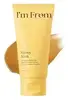
This wash off mask is made with Honey and Snail Secretion Filtrate for a rinse-off hydration boost.
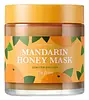
This wash off mask is made with Honey for a rinse-off hydration boost.

What's inside
What's inside
 Key Ingredients
Benefits
Concerns
Ingredients Side-by-side
Honey
Humectant
Caprylic/Capric Triglyceride
Masking

PEG-7 Glyceryl Cocoate
Emulsifying



Disteardimonium Hectorite
StabilisingMacadamia Ternifolia Seed Oil
Emollient
Helianthus Annuus Seed Oil
Emollient
Pentylene Glycol
Skin Conditioning
Microcrystalline Wax
Emulsion StabilisingPolysorbate 20
Emulsifying
Butyrospermum Parkii Butter
Skin Conditioning

Beeswax
Emulsion Stabilising
Tocopheryl Acetate
Antioxidant


Argania Spinosa Kernel Extract
Skin ConditioningCorylus Avellana Seed Oil
Emollient
Simmondsia Chinensis Seed Oil
Emollient
Snail Secretion Filtrate
Skin Conditioning


Water
Skin ConditioningBambusa Vulgaris Water
Skin ConditioningNelumbo Nucifera Flower Water
TonicAloe Barbadensis Leaf Water
MaskingPropolis Extract
Skin Conditioning

Beta-Glucan
Skin Conditioning
Bee Venom
Astringent
Citrus Paradisi Fruit Extract
Skin ConditioningSophora Flavescens Extract
Skin ConditioningEugenia Caryophyllus Flower Extract
AstringentEucalyptus Globulus Leaf Extract
Perfuming
Punica Granatum Fruit Extract
Antioxidant
Bambusa Vulgaris Extract
Skin Conditioning
Butylene Glycol
Humectant
Glycerin
Humectant
Honey, Caprylic/Capric Triglyceride, PEG-7 Glyceryl Cocoate, Disteardimonium Hectorite, Macadamia Ternifolia Seed Oil, Helianthus Annuus Seed Oil, Pentylene Glycol, Microcrystalline Wax, Polysorbate 20, Butyrospermum Parkii Butter, Beeswax, Tocopheryl Acetate, Argania Spinosa Kernel Extract, Corylus Avellana Seed Oil, Simmondsia Chinensis Seed Oil, Snail Secretion Filtrate, Water, Bambusa Vulgaris Water, Nelumbo Nucifera Flower Water, Aloe Barbadensis Leaf Water, Propolis Extract, Beta-Glucan, Bee Venom, Citrus Paradisi Fruit Extract, Sophora Flavescens Extract, Eugenia Caryophyllus Flower Extract, Eucalyptus Globulus Leaf Extract, Punica Granatum Fruit Extract, Bambusa Vulgaris Extract, Butylene Glycol, Glycerin
Honey
Humectant
Caprylic/Capric Triglyceride
Masking
Sorbeth-30 Tetraoleate
Emulsifying
Disteardimonium Hectorite
StabilisingHelianthus Annuus Seed Oil
Emollient
Macadamia Ternifolia Seed Oil
Emollient
Pentylene Glycol
Skin Conditioning
Butylene Glycol
Humectant
Polysorbate 20
Emulsifying
Butyrospermum Parkii Butter
Skin Conditioning
Water
Skin ConditioningCitrus Unshiu Peel Powder
MaskingHydroxyethyl Urea
Humectant
Beeswax
Emulsion Stabilising
Microcrystalline Wax
Emulsion StabilisingParfum
Masking

1,2-Hexanediol
Skin Conditioning
Tocopheryl Acetate
Antioxidant
Glycerin
Humectant
Boswellia Serrata Resin Extract
SmoothingCitrus Paradisi Fruit Extract
Skin ConditioningEugenia Caryophyllus Flower Extract
AstringentEucalyptus Globulus Leaf Extract
Perfuming
Punica Granatum Fruit Extract
Antioxidant
Bambusa Vulgaris Extract
Skin Conditioning
Sophora Angustifolia Root Extract
Skin ConditioningSimmondsia Chinensis Seed Oil
Emollient
Nelumbo Nucifera Flower Water
TonicAloe Barbadensis Leaf Water
MaskingArgania Spinosa Kernel Oil
Emollient
Bambusa Vulgaris Water
Skin ConditioningCorylus Avellana Seed Oil
Emollient
Snail Secretion Filtrate
Skin Conditioning
Vegetable Oil
Skin Conditioning
Olus Oil
Emollient
Arginine
Masking
Beta-Glucan
Skin Conditioning
Propolis Extract
Skin Conditioning
Bee Venom
Astringent
Ethylhexylglycerin
Skin ConditioningTocopherol
Antioxidant
Alpha-Isomethyl Ionone
Perfuming
Limonene
Perfuming
Linalool
Perfuming
Honey, Caprylic/Capric Triglyceride, Sorbeth-30 Tetraoleate, Disteardimonium Hectorite, Helianthus Annuus Seed Oil, Macadamia Ternifolia Seed Oil, Pentylene Glycol, Butylene Glycol, Polysorbate 20, Butyrospermum Parkii Butter, Water, Citrus Unshiu Peel Powder, Hydroxyethyl Urea, Beeswax, Microcrystalline Wax, Parfum, 1,2-Hexanediol, Tocopheryl Acetate, Glycerin, Boswellia Serrata Resin Extract, Citrus Paradisi Fruit Extract, Eugenia Caryophyllus Flower Extract, Eucalyptus Globulus Leaf Extract, Punica Granatum Fruit Extract, Bambusa Vulgaris Extract, Sophora Angustifolia Root Extract, Simmondsia Chinensis Seed Oil, Nelumbo Nucifera Flower Water, Aloe Barbadensis Leaf Water, Argania Spinosa Kernel Oil, Bambusa Vulgaris Water, Corylus Avellana Seed Oil, Snail Secretion Filtrate, Vegetable Oil, Olus Oil, Arginine, Beta-Glucan, Propolis Extract, Bee Venom, Ethylhexylglycerin, Tocopherol, Alpha-Isomethyl Ionone, Limonene, Linalool
Reviews
Alternatives
Ingredients Explained
These ingredients are found in both products.
Ingredients higher up in an ingredient list are typically present in a larger amount.
Aloe Barbadensis Leaf Water is an aqueous solution of the steam distillate obtained from the leaves of the aloe, Aloe barbadensis, Liliaceae.
Aloe contains the antioxidants Vitamins A, C, and E. These vitamins neutralize free radicals.
It also contains sugars in the form of monosaccharides and polysaccharides, folic acid, choline, many common minerals such as calcium, 12 anthraquinones, fatty acids, amino acids, and Vitamin B12.
Aloe is known to be anti-inflammatory, moisturizing, antiseptic, and healing.
Aloe should not replace your sunscreen, as it does not offer UV protection.
Learn more about Aloe Barbadensis Leaf WaterBambusa Vulgaris Extract comes from bamboo plant. Bamboo extract is skin conditioning and soothing.
Bamboo extract has antioxidant properties. Antioxidants help fight free-radicals. Free-radicals are molecules that may damage your skin cells, such as pollution. The antioxidant property of bamboo also makes it great at healing wounds.
Bamboos are rich in Vitamin E, Vitamin B6, and copper.
A recent study found bamboo extract might interrupt the process of hyperpigmentation.
Learn more about Bambusa Vulgaris ExtractBambusa Vulgaris Water comes from bamboo plant.
Bee venom comes from bees (of course!).
There are many claims about bee venom being anti-aging. It is often called "natural botox". This is because it causes inflammation and tightening when applied to the skin. However, further studies are needed to look into the benefits of this ingredient.
Bee venom contains peptides, amino acids, and enzymes. It's main peptide is called melittin. Bee venom and its components are being studied for their antiviral and anti-inflammatory properties.
While cosmetics usually do not contain enough bee venom to cause an allergic reaction (unless you have an extreme allergy), we recommend you speaking with a professional if you have concerns.
Being cruelty-free means a brand does not experiment on animals.
If you're worried about the well-being of the bees, we recommend looking more into the company of the product.
Since bee venom is a product from bees, it is not considered vegan. However, there is much debate about this and many brands claim their bee products to be vegan.
Here at SkinSort, we are asking everyone to be kind to bees. They are important for many ecosystems and are endangered.
Learn more about Bee VenomBeeswax is natural wax produced by honey bees to build their honeycomb.
Because it forms a protective layer on your skin, it can help lock in moisture and reduce water loss. It is also widely used as a thickener and emulsifier in lip balms and lotions. Research suggests beeswax containing moisturizers can support skin barrier integrity.
In comedogenic testing, Beeswax scored a 0-2, which is on the low end. Whether or not a product clogs your pores really comes down to the formula as a whole (not any single ingredient on its own) and your skin.
Cera Alba is the white, bleached form of this ingredient.
Just so you know, beeswax is not vegan since it is animal-derived. It cannot be removed with water, but can be taken off with an oil cleanser.
People with a known Propolis allergy also report to have reactions from beeswax.
Beeswax's wax esters are derived primarily from palmitic and oleic acid (C16 and C18:1). Both of these fall within the C11-C24 feeding window.
The Malassezia yeast can potentially cleave these esters and release usable fatty acids, so this ingredient may not be fungal acne safe. However, not everyone will react to this ingredient.
Learn more about BeeswaxBeta-Glucan is a soluble polysaccharide (a chain of glucose sugars) sourced from the cells walls of oats, baker's yeast, mushrooms, and seaweed.
It's a rare ingredient that pulls double-duty as a heavy-duty hydrator and skin-soothing repair agent.
On the surface, it acts as a humectant that holds water in place and reduces moisture loss for a plumper, smoother feel, while its anti-inflammatory and antioxidant properties make it a great pick for calming redness or sensitive skin
The more interesting story is underneath:
Despite its large molecular size, oat beta-glucan has been shown to penetrate the epidermis and reach the dermis by slipping between skin cells. Here, it interacts with fibroblasts and macrophages to nudge collagen synthesis and support wound repair.
A small 2005 split-face clinical study of 27 subjects found topical beta-glucan produced measurable reductions in wrinkle depth, height, and roughness after 8 weeks of use.
It is worth noting the trial was small and the penetration testing used frozen, irradiated skin so the anti-aging data is encouraging rather than definitive.
This ingredient gets along with pretty much everything and is typically used around 0.1-1%.
Fungal acne: This ingredient is not a food source for the Malassezia yeast because it is a glucose polysaccharide with no fatty acid or ester component.
Learn more about Beta-GlucanButylene Glycol (or BG) is used within cosmetic products for a few different reasons:
Overall, Butylene Glycol is a safe and well-rounded ingredient that works well with other ingredients.
Though this ingredient works well with most skin types, some people with sensitive skin may experience a reaction such as allergic rashes, closed comedones, or itchiness.
Learn more about Butylene GlycolThis ingredient is also known as shea butter. It is a plant-derived extract from the nuts of the Africa shea tree and one of the most well-studied emollients.
Because it has a high concentration of fatty acids (primarily oleic, stearic, and linoleic) it is able to form a protective barrier on the skin's surface. This helps seal in moisture and prevents transepidermal water loss (TEWL).
In vitro research found an increase in skin hydration by 58% and a decrease in TEWL by 37.8% after 24 hours of applying this ingredient (pretty impressive for a single ingredient!).
Besides hydration, shea butter also contains triterpenes that have anti-inflammatory potential. In particule, lupeol cinnamate has shown the highest anti-inflammatory activity in vivo.
Shea butter also contains vitamins A and E which may contribute to antioxidant activity.
While Shea Butter has an SPF rating of about 3-4, it is not a sunscreen replacement.
This ingredient may not be fungal acne safe because its fatty acids fall within the C11-C24 range that the Malassezia yeast can metabolize.
This ingredient shows up on a lot of "pore-clogging" lists but there's no real evidence behind that. It doesn't even have a comedogenic rating from an actual study; the numbers you'll find online come from blogs citing other blogs.
Ratings for other ingredients mostly come from a 1980s rabbit ear test. This test doesn't translate well to human skin or to real products because the ingredient sits at a much lower percentage.
Some people still find it breaks them out. So if that's you, definitely trust your skin. Just know this one's based on experience and not evidence.
Learn more about Butyrospermum Parkii ButterCaprylic/Capric Triglyceride (aka MCT Oil) is a lightweight emollient, solvent, and texture enhancer. It is considered a skin-softener by helping to prevent moisture loss.
Though it behaves like an oil, it is not technically one due to its chemical composition. One perk of this ingredient is that it is very stable, resistant to oxidation, and unlikely to go rancid.
In practice, that translates to a long shelf life and a consistently elegant skin feel.
While there is an assumption Caprylic Triglyceride can clog pores due to it being derived from coconut oil, there is no research supporting this. Just patch test if you have concerns.
Fractionated coconut oil and MCT Oil are both listed as Caprylic/Capric Triglyceride according to INCI. This is because INCI names are based on the ingredient’s final chemical composition and not its marketing name or source.
This ingredient is treated as the gold standard fungal acne safe oil. Even though it is coconut derived, the problematic lauric acid is stripped out.
This leaves just caprylic (C8) and capric (C10) acid. These chain lengths actually trend antifungal; a 2020 study found caprylic acid was enough to disrupt Malassezia furfur cell membrane, with a caprylic acid derivative damaging membrane structures at concentrations as low as 0.2%.
Learn more about Caprylic/Capric TriglycerideWe don't have a description for Citrus Paradisi Fruit Extract yet.
This ingredient is also called hazelnut oil. It is rich in fatty acids and has emollient properties.
Disteardimonium Hectorite comes from the clay mineral named hectorite. It is used to add thickness to a product.
It can also help stabilize a product by helping to disperse other ingredients.
Hectorite is a rare, white clay mineral.
Learn more about Disteardimonium HectoriteEucalyptus globulus leaf extract comes from the leaves of the blue gum tree. It has perfuming and skin conditioning properties.
According to a manufacturer, this ingredient has antioxidants to help protect skin against free radicals.
This ingredient is water-soluble.
Learn more about Eucalyptus Globulus Leaf ExtractThis ingredient is also known as clove flower extract or syzygium aromaticum. It is an astringent, meaning it draws water out of pores to diminish their appearance temporarily.
Glycerin (or glycerol) is a compound naturally found in your skin. It's a powerhouse humectant that pulls water into the stratum corneum.
Topically, glycerin does several things at once:
Your skin makes glycerin on its own (mostly from sebaceous oil breakdown) and shuttles it to your outermost layer of skin, or your epidermis, via aquaporin-3.
Aquaporin-3 is a transporter that is essential for normal skin hydration, elasticity, and repair. Interestingly, mice lacking in AQP3 have dry and less elastic skin that can be fully corrected with glycerin.
This ingredient is non-irritating, plays well with almost every ingredient, and works across all skin types. Typical use is anywhere between 3-10% but can go up to 79% in some leave-on products.
Just know very high concentrations (>40%) can feel tacky in low humidity.
Glycerin is the name for this ingredient in American English. British English uses Glycerol/Glycerine.
Learn more about GlycerinHelianthus Annuus Seed Oil is a plant oil derived from the seeds of a sunflower.
It is rich in fatty acids, primarily linoleic acid and oleic acid. This gives it emollient and skin conditioning properties.
The reason this ingredient is so effective is because it forms a thin film on the skin that reduces transepidermal water loss (TEWL) while supplying linoleic acid to the stratum corneum to improve barrier strength.
The high linoleic acid content is particularly noteworthy for acne-prone skin.
Research suggests that acne-prone skin tends to be deficient in linoleic acid in sebum. Topical application may help replenish this to support a healthier follicular environment and less comedone-promoting sebum.
One randomized study found sunflower seed oil preserved skin barrier integrity in adult volunteers with and without atopic dermatitis (outperforming olive oil).
This ingredient is well-studied, gentle, and an effective emollient suitable for most skin types.
On fungal acne: This ingredient may not be Fungal acne (Malassezia folliculitis) safe. This is because it contains fatty acids with carbon chain lengths in the C11-C24 range.
Learn more about Helianthus Annuus Seed OilHoney mostly shows up in skincare as a humectant and skin conditioning agent. This is because its natural sugars (fructose and glucose) help hold onto water so skin feels softer and more hydrated.
Beyond hydration, honey also has antibacterial and wound-supporting properties. Its antibacterial action comes from a mix of things:
Manuka-type honey has an extra bacteria-killing compound called methylglyoxal, while all Honey contains a natural antibacterial protein called bee defensin-1.
Honey also nudges your immune cells to release signals that start the healing process. This is why medical-grade Honey is actually used in real wound dressings.
Just keep in mind that most of the strong clinical evidence is for wound care and not everyday cosmetic claims.
On concentrations and safety:
According to industry data, honey is used up to 22% in paste/mud packs, 7% as a honey extract in body/hand products, and face skincare levels sit well below that.
A human repeat insult patch test of 7% honey extract in 112 subjects showed no sensitization.
Allergy-wise, honey itself is a rare sensitizer. The bigger culprit is usually propolis that sometimes tags along in less-refined honey.
People allergic to propolis, conifer, poplar, salicylates, or Balsam of Peru are advised to avoid this ingredient due to shared allergens.
You might see this ingredient listed as either Honey or Mel (they're the same thing). Mel is simply the Latin word for honey.
A lot of people wonder if Honey is vegan, and technically it isn't.
Honey is made by bees; they gather nectar and their natural enzymes turn it into the Honey we know. So because it comes from an animal, it doesn't fit a vegan lifestyle.
And please remember to be kind to bees :). They're vital to so many ecosystems, and many species are struggling so they're worth protecting.
Learn more about HoneyThis ingredient is also known as Macadamia Seed Oil. It's an emollient with a fatty acid profile that closely mirrors the skin's own lipid makeup.
The palmitoleic acid content is especially notable as it's somewhat rare in plant oils. Palmitoleic acid is something your skin already makes naturally. It helps keep cell membranes structured and plays a role in fighting off harmful microbes.
This palmitoleic content is also part of why macademia seed oil absorbs quickly and doesn't leave much of a greasy residue.
It also contains oleic acid, linoleic acid, and phytosterols that can help reduce redness.
In vitro research has shown the oil to have meaningful antioxidant activity, protect fats in the skin from oxidative damage, and slow down the enzyme that breaks down hyaluronic acid.
A 2024 clinical study found it effective at improving skin hydratino and reducing wrinkle appearance when formulated into nanoemulsions.
Because it carries oleic acid (C18) and palmitic acid (C16), this ingredient may not be fungal acne safe. This is because the Malassezia yeast metabolizes in the C11-24 chain length range.
You'll also see this ingredient listed as: Macadamia Integrifolia Seed Oil .
These two oils are identical in composition and M. ternifolia is an older INCI naming convention for the edible macadamia nut while M. integrifolia is the species actually cultivated for oil production. Both names refer to the same oil.
Learn more about Macadamia Ternifolia Seed OilMicrocrystalline Wax is derived from petroleum through a de-oiling process, then highly refined and purified before use in cosmetics.
In skincare formulations, it is used to improve texture and create a smooth, even consistency. It also helps stabilize products by preventing ingredients from separating.
Nelumbo Nucifera Flower Water is made by distilling parts of the lotus flower.
Tonics are used to remove soap residues. They also help moisturize the skin.
Pentylene Glycol (1,2-pentanediol) is a multitasking little diol with three main roles in a formula:
Research on alkanediols (the family pentylene glycol belongs to) show they work by disrupting microbial cell membranes. This disruption helps the primary preservative system in a product work more effectively at lower doses.
On the safety side, the Cosmetic Ingredient Review Expert Panel has concluded this ingredient to be safe as used in current cosmetic practices + concentrations.
Typical use levels in a formula run about 1-5%.
Learn more about Pentylene GlycolPolysorbate 20 is a gentle, water-soluble emulsifier and mild surfactant. It stops oil and water from separating to keep your formulas blended and stable.
It also acts as a mild penetration enhancer by helping active ingredients absorb slightly better.
The common safety discussion around this ingredient involves a manufacturing byproduct called 1,4-dioxane.
Trace amounts can form during production but the EU's Scientific Committee on Consumer Safety has concluded that levels at/below 10 ppm in finished products are safe (commercial products consistently fall within acceptable margins).
True allergic reactions are uncommon and the CIR Expert Panel has confirmed this ingredient to be safe as used in cosmetics.
Because it is derived from lauric acid, it may not be fungal acne safe.
Learn more about Polysorbate 20Propolis Extract is a natural ingredient derived from propolis (also known as bee glue). Bees make propolis by mixing their saliva and beeswax with resins collected from tree buds and plants.
This ingredient is packed with bioactive compounds like flavonoids, phenolic acids, and amino acids that give it antioxidant and anti-inflammatory properties.
Research shows it can help:
It also pairs nicely with hydrating ingredients like niacinamide and ceramides.
Just so you know, Propolis Extract is recognized as a contact allergen. In patch tests done in the EU, roughly 1-6% of patients react to it. Be sure to steer clear of this ingredient if you have a known allergy to bee products.
Since it is an animal-derived product, this ingredient is not considered vegan. For vegan alternatives, check out Galactomyces Ferment Filtrate or Centella Asiatica Extract.
Learn more about Propolis ExtractYou might know this ingredient as pomegranate fruit. It has been shown to have antioxidant, skin soothing and anti-aging benefits.
Pomegranates are rich in antioxidant compounds such as polyphenolic compounds such as ellagic acid, phenolic acids, anthocyanins, and flavonoids.
Both in-vivo and in-vitro studies show pomegranate fruit helps with:
These benefits offer skin anti-aging and skin soothing benefits.
Fun fact: The name pomegranate comes from two latin words: "pome" or apple, and "granate" or "many seeded".
Pomegranate flower extract is often confused for pomegranate fruit extract, but comes from the flowers of the tree.
Learn more about Punica Granatum Fruit ExtractJojoba oil is one of the most well-studied plant-derived ingredients in cosmetics. It is an emollient with a special structure.
Because it is made up of 97-98% wax esters, it closely mirrors the linear monoesters found in human sebum. This makes it skin compatible, non-greasy, and lightweight.
Unlike other plant oils, jojoba wax doesn't easily penetrate skin. It mostly works in the uppermost layers as an emollient. This just means it forms a light barrier on the skin to help retain moisture.
Formulations with jojoba esters up to 90% reduced transepidermal water loss (TEWL) and increased barrier recovery by 81% (outperforming bisabolol at 47%).
Besides barrier support, the science also suggests jojoba to have anti-inflammatory effects and potential applications for skin infections, aging, and wound healing.
Fun fact: Indigenous cultures have used jojoba as a moisturizer and to help treat burns for centuries.
Fungal acne: The Malassezia yeast is known to metabolize fatty acids in the C11-24 range and jojoba's dominant fatty acid components fall into this range. This ingredient may not be fungal acne safe.
Learn more about Simmondsia Chinensis Seed OilSnail Secretion Filtrate (the slimy mucus that garden snails produce) is a multitasking ingredient that shows up in "skin repair" formulas.
This ingredient works because it's a grab bag of skin-friendly stuff like:
In a formula, it acts as a humectant and barrier-supporting soother and the research backs this up as well.
A 2025 systematic review of human clinical trials found that snail-derived ingredients improved signs of aging, increased skin hydration, decreased transepidermal water loss, and improved healing after radiation therapy/fractional laser treatment.
Lab studies have also shown the secretion promotes the proliferation, migration, and survival of the cells that rebuild skin (keratinocytes and dermal fibroblasts).
There's also a placebo-controlled study where a serum containing it helped with mask-related acne.
Overall, this is a gentle, water-based multitasker that works great for hydrating and supporting the skin barrier. However, please see the section below if you have dust mite or shellfish allergies.
You'll see snail filtrate listed at very different percentages depending on the product. Some Korean serums list it near the top of the ingredients at 90% or more while other products use just a few percent.
This doesn't mean the high-percentage ones are far stronger. Raw snail filtrate is mostly water to begin with so using a lot of it isn't the same thing as using a lot of the active ingredients.
Other products use a concentrated version so a small amount goes a long way. Either approach can work well. Just know the percentage on the label isn't a reliable way to judge how effective a snail product will be.
Being cruelty-free means a brand does not experiment on animals. If you're worried about the well-being of the snails, we recommend looking more into the company of the product. Many brands claim to have developed humane methods to collect snail mucin.
There is much debate on this subject. On one hand, this ingredient comes from an animal. On the other hand, many will argue the ingredient is naturally secreted (like a natural by-product) and therefore vegan. If you have reservations, you can look into Galactomyces Ferment Filtrate or Centella Asiatica Extract as alternatives.
This ingredient is fungal acne safe. Its core composition lacks the fatty acid/ester triggers that Malassezia depends on.
True allergy to Snail Secretion Filtrate is uncommon and most documented cases are linked to a dust mite allergy.
Snail proteins (including Tropomyosin) are similar enough to dust mite proteins that the immune system can confuse them.
In most documented cases, the dust mite was the original trigger and tropomyosin turned out to be only a minor player in some studies (so this has not been fully confirmed).
Another thing to know is that nearly all the evidence comes from eating snails or inhaling the protein and not from cosmetics.
However, the allergenic proteins can survive filtration into a finished product; a topical reaction is biologically plausible but there's little published evidence of it actually happening.
People who are allergic to dust mites (or sometimes shellfish) are the most likely to react.
Learn more about Snail Secretion FiltrateTocopheryl Acetate is a stable, shelf-friendly form of vitamin E.
Formulators love it because plain vitamin E oxidizes quickly once it hits air. This acetate version stays stable and resists going off, helping to extend a product's shelf life.
It's actually inactive on its own and works like a slow-release "storage" form; the enzymes in your skin called esterases gradually convert it into active vitamin E over time.
One in vivo study showed 5% of the acetate in the living layer of the epidermis converted to vitamin E after 5 days of application. This study also found the skin gained protection against UV damage even though the conversion was slow and small.
Once converted, vitamin E acts as a skin's main fat-soluble antioxidant that fights free radicals to protect skin from damage.
Topical vitamin E generally boosts the skin's photoprotection, and it reduced UV-damage in animal models.
This ingredient has some brightening potential but it's more of a prevention ingredient than spot-fader. Cell studies show it can slow down melanin production but it's worth noting that it's not the most powerful brightener out there.
Overall, it has a pretty solid safety profile and has been found to be non-irritating and non-comedogenic. Allergic reactions may happen but stay rare due to how widely the ingredient gets used.
The concentration will vary depending on the formula; industry data shows 0.1% in baby lotions, 3% in lipsticks, and 5% in foot powders. You can also find this ingredient at 100% in a pure vitamin E oil.
Most leave-on skincare keeps it at the lower end, often between 0.5-1%.
Learn more about Tocopheryl AcetateWater. It's the most common cosmetic ingredient of all. You'll usually see it at the top of ingredient lists, meaning that it makes up the largest part of the product.
So why is it so popular? Water most often acts as a solvent - this means that it helps dissolve other ingredients into the formulation.
You'll also recognize water as that liquid we all need to stay alive. If you see this, drink a glass of water. Remember to stay hydrated!
Learn more about Water

