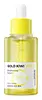
This brightening serum is formulated around Arbutin and Ascorbic Acid to brighten dull-looking skin and fade the look of dark spots.
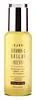
This brightening emulsion is formulated around Niacinamide and Prunus Mume Fruit Extract to brighten dull-looking skin and fade the look of dark spots.

What's inside
What's inside
 Key Ingredients
Benefits
Concerns
Ingredients Side-by-side
Actinidia Chinensis Fruit Extract
EmollientButylene Glycol
Humectant

Glycerin
Humectant
Water
Skin ConditioningArbutin
Antioxidant



Niacinamide
Smoothing







1,2-Hexanediol
Skin Conditioning
Ascorbic Acid
Antioxidant
Actinidia Chinensis Seed Oil
Emollient
Carnitine
Cleansing
4-Butylresorcinol
Antioxidant
Aleuritic Acid
Skin ConditioningYeast Extract
Skin ConditioningGlycoproteins
Skin Conditioning
Sodium Ascorbyl Phosphate
Antioxidant
Biotin
AntiseborrhoeicPanthenol
Skin Conditioning
Thiamine Hcl
MaskingCyanocobalamin
Skin ConditioningRiboflavin
Cosmetic ColorantPyridoxine
Skin ConditioningFolic Acid
Skin ConditioningMenadione
MaskingBioflavonoids
Skin ConditioningTocopheryl Acetate
Antioxidant
Glutathione
Betaine
Humectant
Polyquaternium-51
Skin Conditioning
Glyceryl Polymethacrylate
Sodium Hyaluronate
Humectant
Lecithin
Emollient
Polyglyceryl-10 Oleate
Skin Conditioning

PPG-13-Decyltetradeceth-24
EmulsifyingCaprylic/Capric Triglyceride
Masking
Cyamopsis Tetragonoloba Gum
Emulsion StabilisingAgar
MaskingXanthan Gum
EmulsifyingAcrylates/C10-30 Alkyl Acrylate Crosspolymer
Emulsion StabilisingTromethamine
BufferingAllantoin
Skin Conditioning
Chitosan
Polymethyl Methacrylate
Ammonium Acryloyldimethyltaurate/Vp Copolymer
Melia Azadirachta Leaf Extract
Skin ConditioningMelia Azadirachta Flower Extract
Skin ConditioningOcimum Sanctum Leaf Extract
Skin ConditioningCurcuma Longa Root Extract
Antioxidant
Corallina Officinalis Extract
Skin Conditioning

Ethylhexylglycerin
Skin ConditioningDisodium EDTA
ChelatingAdenosine
Skin Conditioning
Parfum
Masking

Limonene
Perfuming
Actinidia Chinensis Fruit Extract, Butylene Glycol, Glycerin, Water, Arbutin, Niacinamide, 1,2-Hexanediol, Ascorbic Acid, Actinidia Chinensis Seed Oil, Carnitine, 4-Butylresorcinol, Aleuritic Acid, Yeast Extract, Glycoproteins, Sodium Ascorbyl Phosphate, Biotin, Panthenol, Thiamine Hcl, Cyanocobalamin, Riboflavin, Pyridoxine, Folic Acid, Menadione, Bioflavonoids, Tocopheryl Acetate, Glutathione, Betaine, Polyquaternium-51, Glyceryl Polymethacrylate, Sodium Hyaluronate, Lecithin, Polyglyceryl-10 Oleate, PPG-13-Decyltetradeceth-24, Caprylic/Capric Triglyceride, Cyamopsis Tetragonoloba Gum, Agar, Xanthan Gum, Acrylates/C10-30 Alkyl Acrylate Crosspolymer, Tromethamine, Allantoin, Chitosan, Polymethyl Methacrylate, Ammonium Acryloyldimethyltaurate/Vp Copolymer, Melia Azadirachta Leaf Extract, Melia Azadirachta Flower Extract, Ocimum Sanctum Leaf Extract, Curcuma Longa Root Extract, Corallina Officinalis Extract, Ethylhexylglycerin, Disodium EDTA, Adenosine, Parfum, Limonene
Water
Skin ConditioningGlycereth-26
Humectant
Dipropylene Glycol
HumectantDimethicone
Emollient
Niacinamide
Smoothing
Cyclopentasiloxane
Emollient
Cyclohexasiloxane
Emollient
Pentaerythrityl Tetraethylhexanoate
Emollient
Citrus Grandis Fruit Extract
Astringent
Vaccinium Myrtillus Fruit Extract
Skin ConditioningPrunus Mume Fruit Extract
Humectant
Brassica Oleracea Gemmifera Extract
AstringentTocopheryl Acetate
Antioxidant
Ascorbyl Tetraisopalmitate
Antioxidant
Citrus Limon Peel Oil
Masking

Rosmarinus Officinalis Leaf Oil
Masking
Fish Liver Oil
Skin Conditioning
Betaine
Humectant
Allantoin
Skin Conditioning
Propanediol
Solvent
Caprylyl Glycol
Emollient
Ethylhexylglycerin
Skin ConditioningButylene Glycol
Humectant
1,2-Hexanediol
Skin Conditioning
Polysorbate 60
Emulsifying
Arginine
Masking
Carbomer
Emulsion StabilisingDisodium EDTA
ChelatingLimonene
Perfuming
Water, Glycereth-26, Dipropylene Glycol, Dimethicone, Niacinamide, Cyclopentasiloxane, Cyclohexasiloxane, Pentaerythrityl Tetraethylhexanoate, Citrus Grandis Fruit Extract, Vaccinium Myrtillus Fruit Extract, Prunus Mume Fruit Extract, Brassica Oleracea Gemmifera Extract, Tocopheryl Acetate, Ascorbyl Tetraisopalmitate, Citrus Limon Peel Oil, Rosmarinus Officinalis Leaf Oil, Fish Liver Oil, Betaine, Allantoin, Propanediol, Caprylyl Glycol, Ethylhexylglycerin, Butylene Glycol, 1,2-Hexanediol, Polysorbate 60, Arginine, Carbomer, Disodium EDTA, Limonene
Ingredients Explained
These ingredients are found in both products.
Ingredients higher up in an ingredient list are typically present in a larger amount.
1,2-Hexanediol is a synthetic liquid and another multi-functional powerhouse.
It is a:
- Humectant, drawing moisture into the skin
- Emollient, helping to soften skin
- Solvent, dispersing and stabilizing formulas
- Preservative booster, enhancing the antimicrobial activity of other preservatives
Allantoin is a soothing ingredient known for its protective and moisturizing properties; it's basically a quiet workhorse ingredient you can find in a huge range of cosmetics.
Though it can be derived from the comfrey plant, allantoin is produced synthetically for cosmetic products to ensure purity.
Research shows it can encourage your skin cells to turn over and renew by stimulating keratinocyte and fibroblast proliferation.
It also has mild keratolytic properties to help loosen and shed dead skin cells without being harsh.
Studies also suggest allantoin can help calm inflammation by dialing down some of the chemical signals your skin sends out when it is irritated.
This ingredient is typically used in the 0.1-0.5% range, and the FDA recognizes it as a skin protectant in OTC products up to 2%.
Overall, allantoin is a wonderful addition to most routines; it is stable across a wide pH range (~4-8), works well with other ingredients, and is considered non-sensitizing/non-irritating.
Fun fact: Allantoin is naturally occurring in comfrey root, beets, chamomile, and wheat sprouts. Our bodies even produce it as a byproduct of uric acid metabolism.
Learn more about AllantoinBetaine is a humectant. Like hyaluronic acid, it helps attract and retain moisture in the skin. It’s known for being gentle and for helping the skin maintain balanced hydration.
Betaine is mainly used to improve hydration and support calmer skin. It helps skin cells regulate water balance because it functions as an osmolyte.
Some studies suggest betaine may support making skin tone more even.
Fun fact: Betaine naturally exists in the skin and the body. In cosmetic products, it can be either plant-derived (most commonly from sugar beets) or synthetically produced for consistency and stability.
Betaine is also known as trimethylglycine.
Learn more about BetaineButylene Glycol (or BG) is used within cosmetic products for a few different reasons:
Overall, Butylene Glycol is a safe and well-rounded ingredient that works well with other ingredients.
Though this ingredient works well with most skin types, some people with sensitive skin may experience a reaction such as allergic rashes, closed comedones, or itchiness.
Learn more about Butylene GlycolDisodium EDTA is a chelating agent. It grabs onto and deactivates metal ions that sneak into your products from water, packaging, or air.
This ingredient mainly works behind the scenes and helps with:
On top of that, this ingredient can counteract the effects of hard water by binding to the minerals in it.
One thing worth knowing is that Disodium EDTA has been shown to be a mild penetration enhancer. It can help other ingredients absorb into skin more effectively which can be a double-edged sword (great for actives, but can also make the active too strong if you have sensitive skin).
Clinical patch testing showed no significant skin irritation at typical use concentrations and minimal dermal absorption.
You'll most likely see this ingredient near the end of an ingredient list. It's typically found in concentrations less than 1%.
Learn more about Disodium EDTAEthylhexylglycerin is created from glycerin. It is a multitasker ingredient that:
The CIR Expert Panel found minimal skin absorption or sensitization of any kind in a safety assessment. Though this ingredient is considered well-tolerated, a small number of cases of allergic dermatitis have been published since 2002. Just be sure to patch test if you are unsure.
Industry-reported use ranges from 8% in rinse-off products and 2% in leave-on formulations.
Learn more about EthylhexylglycerinLimonene is the compound that gives citrus peel its smell.
In skincare, it shows up as a standalone fragrance ingredient or as a natural compound of citrus and other essential oils.
You'll typically see this ingredient used in very small amounts; anything above 0.001% in a leave-on product or 0.01% in a rinse-off has to be named on the label in the EU. The citrus oils that carry it sit around 0.5-1% in a finished formula.
Fresh limonene is a weak allergen; the real issue is that it slowly reacts with air and then breaks down from oxidation to create hydroperoxides (which are strong sensitizers). This is why suppliers are required to keep the peroxide value below 20 mmol.
Positive reactions in people being investigated for eczema vary:
It's worth skipping if you have a known fragrance allergy or a compromised barrier, but the risk is low for most people.
Older or long-opened products are also more likely to bother you than fresh ones due to oxidation.
Learn more about LimoneneNiacinamide is a multitasking form of vitamin B3 that strengthens the skin barrier, reduces pores and dark spots, regulates oil, and improves signs of aging.
And the best part? It's gentle and well-tolerated by most skin types, including sensitive and reactive skin.
You might have heard of "niacin flush", or the reddening of skin that causes itchiness. Niacinamide has not been found to cause this.
In very rare cases, some individuals may not be able to tolerate niacinamide at all or experience an allergic reaction to it.
If you are experiencing flaking, irritation, and dryness with this ingredient, be sure to double check all your products as this ingredient can be found in all categories of skincare.
When incorporating niacinamide into your routine, look out for concentration amounts. Typically, 5% niacinamide provides benefits such as fading dark spots. However, if you have sensitive skin, it is better to begin with a smaller concentration.
When you apply niacinamide to your skin, your body converts it into nicotinamide adenine dinucleotide (NAD). NAD is an essential coenzyme that is already found in your cells as "fuel" and powers countless biological processes.
In your skin, NAD helps repair cell damage, produce new healthy cells, support collagen production, strengthen the skin barrier, and fight environmental stressors (like UV and pollution).
Our natural NAD levels start to decline with age, leading to slower skin repair, visible aging, and a weaker skin barrier. By providing your skin niacinamide, you're recharging your skin's NAD levels. This leads to stronger, healthier, and younger looking skin.
Another name for vitamin B3 is nicotinamide. This vitamin is water-soluble and our bodies don't store it. We obtain Vitamin B3 from either food or skincare. Meat, fish, wheat, yeast, and leafy greens contain vitamin B3.
The type of niacinamide used in skincare is synthetically created.
Learn more about NiacinamideTocopheryl Acetate is a stable, shelf-friendly form of vitamin E.
Formulators love it because plain vitamin E oxidizes quickly once it hits air. This acetate version stays stable and resists going off, helping to extend a product's shelf life.
It's actually inactive on its own and works like a slow-release "storage" form; the enzymes in your skin called esterases gradually convert it into active vitamin E over time.
One in vivo study showed 5% of the acetate in the living layer of the epidermis converted to vitamin E after 5 days of application. This study also found the skin gained protection against UV damage even though the conversion was slow and small.
Once converted, vitamin E acts as a skin's main fat-soluble antioxidant that fights free radicals to protect skin from damage.
Topical vitamin E generally boosts the skin's photoprotection, and it reduced UV-damage in animal models.
This ingredient has some brightening potential but it's more of a prevention ingredient than spot-fader. Cell studies show it can slow down melanin production but it's worth noting that it's not the most powerful brightener out there.
Overall, it has a pretty solid safety profile and has been found to be non-irritating and non-comedogenic. Allergic reactions may happen but stay rare due to how widely the ingredient gets used.
The concentration will vary depending on the formula; industry data shows 0.1% in baby lotions, 3% in lipsticks, and 5% in foot powders. You can also find this ingredient at 100% in a pure vitamin E oil.
Most leave-on skincare keeps it at the lower end, often between 0.5-1%.
Learn more about Tocopheryl AcetateWater. It's the most common cosmetic ingredient of all. You'll usually see it at the top of ingredient lists, meaning that it makes up the largest part of the product.
So why is it so popular? Water most often acts as a solvent - this means that it helps dissolve other ingredients into the formulation.
You'll also recognize water as that liquid we all need to stay alive. If you see this, drink a glass of water. Remember to stay hydrated!
Learn more about Water

