Heveblue Salmon Caring Centella Light Cleansing Oil Versus Anua Heartleaf Pore Control Cleansing Oil
This oil-based makeup remover is made to dissolve makeup, sunscreen, and daily buildup.
This oil-based makeup remover is made to dissolve makeup, sunscreen, and daily buildup.

What's inside
What's inside
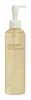 Key Ingredients
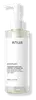
Benefits
Concerns
Ingredients Side-by-side
Ethylhexyl Palmitate
Emollient




Sorbeth-30 Tetraoleate
Emulsifying
Pyrus Malus Seed Oil
Emollient
Triethylhexanoin
MaskingCetyl Ethylhexanoate
EmollientDiisostearyl Malate
EmollientCaprylic/Capric Triglyceride
Masking


Centella Asiatica Leaf Water
Skin Conditioning

Madecassoside
Antioxidant



Sodium DNA
Skin Conditioning
Salmon Egg Extract
Cocos Nucifera Oil
Masking
Moringa Oleifera Seed Oil
Emollient
Simmondsia Chinensis Seed Oil
Emollient
Vitis Vinifera Seed Oil
Emollient
Gluconolactone
Chelating




Curcuma Longa Root Extract
Antioxidant
Melia Azadirachta Flower Extract
Skin ConditioningAzadirachta Indica Leaf Extract
Skin ConditioningCoral Extract
Skin ConditioningOcimum Sanctum Leaf Extract
Skin ConditioningDecyl Glucoside
Cleansing
Caprylyl Glycol
Emollient
Ethylhexylglycerin
Skin Conditioning1,2-Hexanediol
Skin Conditioning
Pentylene Glycol
Skin Conditioning
Water
Skin ConditioningEthylhexyl Palmitate, Sorbeth-30 Tetraoleate, Pyrus Malus Seed Oil, Triethylhexanoin, Cetyl Ethylhexanoate, Diisostearyl Malate, Caprylic/Capric Triglyceride, Centella Asiatica Leaf Water, Madecassoside, Sodium DNA, Salmon Egg Extract, Cocos Nucifera Oil, Moringa Oleifera Seed Oil, Simmondsia Chinensis Seed Oil, Vitis Vinifera Seed Oil, Gluconolactone, Curcuma Longa Root Extract, Melia Azadirachta Flower Extract, Azadirachta Indica Leaf Extract, Coral Extract, Ocimum Sanctum Leaf Extract, Decyl Glucoside, Caprylyl Glycol, Ethylhexylglycerin, 1,2-Hexanediol, Pentylene Glycol, Water
Ethylhexyl Palmitate
Emollient
Sorbeth-30 Tetraoleate
Emulsifying
Sorbitan Sesquioleate
Emulsifying
Caprylic/Capric Triglyceride
Masking
Butyl Avocadate
Skin Conditioning
Parfum
Masking

Helianthus Annuus Seed Oil
Emollient
Macadamia Ternifolia Seed Oil
Emollient
Olea Europaea Fruit Oil
Masking
Simmondsia Chinensis Seed Oil
Emollient
Vitis Vinifera Seed Oil
Emollient
Caprylyl Glycol
Emollient
Ethylhexylglycerin
Skin ConditioningCurcuma Longa Root Extract
Antioxidant
Melia Azadirachta Flower Extract
Skin ConditioningTocopherol
Antioxidant

Melia Azadirachta Leaf Extract
Skin ConditioningHouttuynia Cordata Extract
Skin Conditioning
Corallina Officinalis Extract
Skin Conditioning
Melia Azadirachta Bark Extract
AntimicrobialMoringa Oleifera Seed Oil
Emollient
Ocimum Sanctum Leaf Extract
Skin ConditioningEthylhexyl Palmitate, Sorbeth-30 Tetraoleate, Sorbitan Sesquioleate, Caprylic/Capric Triglyceride, Butyl Avocadate, Parfum, Helianthus Annuus Seed Oil, Macadamia Ternifolia Seed Oil, Olea Europaea Fruit Oil, Simmondsia Chinensis Seed Oil, Vitis Vinifera Seed Oil, Caprylyl Glycol, Ethylhexylglycerin, Curcuma Longa Root Extract, Melia Azadirachta Flower Extract, Tocopherol, Melia Azadirachta Leaf Extract, Houttuynia Cordata Extract, Corallina Officinalis Extract, Melia Azadirachta Bark Extract, Moringa Oleifera Seed Oil, Ocimum Sanctum Leaf Extract
Reviews
Ingredients Explained
These ingredients are found in both products.
Ingredients higher up in an ingredient list are typically present in a larger amount.
Caprylic/Capric Triglyceride (aka MCT Oil) is a lightweight emollient, solvent, and texture enhancer. It is considered a skin-softener by helping to prevent moisture loss.
Though it behaves like an oil, it is not technically one due to its chemical composition. One perk of this ingredient is that it is very stable, resistant to oxidation, and unlikely to go rancid.
In practice, that translates to a long shelf life and a consistently elegant skin feel.
While there is an assumption Caprylic Triglyceride can clog pores due to it being derived from coconut oil, there is no research supporting this. Just patch test if you have concerns.
Fractionated coconut oil and MCT Oil are both listed as Caprylic/Capric Triglyceride according to INCI. This is because INCI names are based on the ingredient’s final chemical composition and not its marketing name or source.
This ingredient is treated as the gold standard fungal acne safe oil. Even though it is coconut derived, the problematic lauric acid is stripped out.
This leaves just caprylic (C8) and capric (C10) acid. These chain lengths actually trend antifungal; a 2020 study found caprylic acid was enough to disrupt Malassezia furfur cell membrane, with a caprylic acid derivative damaging membrane structures at concentrations as low as 0.2%.
Learn more about Caprylic/Capric TriglycerideCaprylyl Glycol is a humectant, skin conditioner, emollient, and preservative booster derived from either caprylic acid or synthetically created.
Typical use levels vary from 0.3-1% as a preservative booster and go up to 2% to condition skin.
Because it is not a free-fatty acid, this ingredient is fungal acne safe (there's nothing for Malassezia to feed on).
Learn more about Caprylyl GlycolCurcuma Longa Root Extract comes from the rhizome (underground stem) of the turmeric plant.
While the official EU Cosing Database lists this ingredient as a fragrance, it actually does more than give products a scent.
This ingredient contains a group of yellow pigments called curcuminoids (mostly curcumin) that give it genuine antioxidant and anti-inflammatory activity in skin.
Reviews of topical clinical studies have found turmeric/curcumin to be generally well-tolerated and useful across conditions like eczema and mild inflammation.
One thing working in its favor is that curcumin barely penetrates; in lab skin-permeation testing, the curcuminoids mostly stayed in the outermost layer of skin. This is a good thing because its soothing and antioxidant activity is a surface-level job anyway.
At this time, industry data shows there's no single "correct" cosmetic percentage. It's used across a wide range depending on the product and varies from tiny fractions of a percent up to a few percent.
Allergy-wise, curcumin is a documented (but uncommon) contact allergen. It can also cross react with related plants, so anyone with a turmeric/ginger/cinnamon allergy or reactive skin should patch test first.
Learn more about Curcuma Longa Root ExtractEthylhexyl Palmitate, also known as octyl palmitate, is created from 2-ethylhexyl alcohol and palmitic acid.
In cosmetics, it plays many roles:
One thing worth noting: a controlled study found this ingredient applied under occlusion to acne-prone subjects increased microcomedones. Just keep in mind this was under occlusive conditions and don't reflect how most products are used day-to-day.
For most people, this is a well-tolerated and lightweight ingredient.
This ingredient may not be fungal acne safe because it is an ester of palmitic acid, a C16 fatty acid that falls within the C11-24 range that Malassezia can metabolize.
You'll see this one rated 4 comedogenic all over the internet. That number isn't from a single study, and the actual research is more interesting.
The original rating comes from 1980s rabbit ear tests (which are a shaky basis for anything). But Ethylhexyl Palmitate is one of the few ingredients with real human data behind it. A 2021 controlled trial found this ingredient increased microcomedones by an average of 365% over four weeks.
Just know that test used the pure ingredient under an occlusive pad on back skin; most products use it at much lower levels alongside other ingredients and plenty of people use those with no issue.
Learn more about Ethylhexyl PalmitateEthylhexylglycerin is created from glycerin. It is a multitasker ingredient that:
The CIR Expert Panel found minimal skin absorption or sensitization of any kind in a safety assessment. Though this ingredient is considered well-tolerated, a small number of cases of allergic dermatitis have been published since 2002. Just be sure to patch test if you are unsure.
Industry-reported use ranges from 8% in rinse-off products and 2% in leave-on formulations.
Learn more about EthylhexylglycerinMelia Azadirachta Flower Extract is from the Neem tree. Neem trees originate from India.
Melia Azadirachta Flower Extract contains antioxidants. Antioxidants help fight free-radicals. Free-radicals are molecules that may damage your skin cells, such as pollution.
The flowers of this tree are lilac colored.
Learn more about Melia Azadirachta Flower ExtractMoringa Oleifera Seed Oil is a lightweight oil from the seeds of the Moringa oleifera tree. In cosmetics, it's an emollient that forms a light film to slow water loss and soften skin.
Its fatty acid composition is dominated by oleic acid (70-78%), with smaller amounts of behenic, palmitic, and stearic acids (this profile is actually pretty similar to olive oil).
Notably, this ingredient is oxidatively stable for an oil and resists going rancid as fast as other oils.
A small, in vivo study on 32 participants found a cream with this ingredient increased skin hydration with no reported skin irritation. It also found the tocopherol content gave it some antioxidant activity as well.
Because this oil is so high in oleic acid, Malassezia can use it as a food source and this ingredient may not be fungal acne safe.
For everyone else, this ingredient is well-tolerated and nourishing with a good safety track record.
This ingredient shows up on a lot of "pore-clogging" lists but there's no real evidence behind that. It doesn't even have a comedogenic rating from an actual study; the numbers you'll find online come from blogs citing other blogs.
Ratings for other ingredients mostly come from a 1980s rabbit ear test. This test doesn't translate well to human skin or to real products because the ingredient sits at a much lower percentage.
Some people still find it breaks them out. So if that's you, definitely trust your skin.
Learn more about Moringa Oleifera Seed OilOcimum Sanctum Leaf Extract comes from the Holy Basil plant. Holy Basil is native to India.
Holy Basil is rich in antioxidants due to its high romarinic acid, ferulic acid, and rutin content. This gives it skin brightening and soothing properties.
While Holy Basil has many claims to help fight acne, more research is needed.
One thing to note is the presence of tannins; tannins are naturally found in nature. However, this compound may be skin-sensitizing.
Learn more about Ocimum Sanctum Leaf ExtractJojoba oil is one of the most well-studied plant-derived ingredients in cosmetics. It is an emollient with a special structure.
Because it is made up of 97-98% wax esters, it closely mirrors the linear monoesters found in human sebum. This makes it skin compatible, non-greasy, and lightweight.
Unlike other plant oils, jojoba wax doesn't easily penetrate skin. It mostly works in the uppermost layers as an emollient. This just means it forms a light barrier on the skin to help retain moisture.
Formulations with jojoba esters up to 90% reduced transepidermal water loss (TEWL) and increased barrier recovery by 81% (outperforming bisabolol at 47%).
Besides barrier support, the science also suggests jojoba to have anti-inflammatory effects and potential applications for skin infections, aging, and wound healing.
Fun fact: Indigenous cultures have used jojoba as a moisturizer and to help treat burns for centuries.
Fungal acne: The Malassezia yeast is known to metabolize fatty acids in the C11-24 range and jojoba's dominant fatty acid components fall into this range. This ingredient may not be fungal acne safe.
Learn more about Simmondsia Chinensis Seed OilSorbeth-30 Tetraoleate is a surfactant and emulsifier.
This ingredient is a tetraester from oleic acid and polyethylene glycol ether of sorbitol.
As an emulsifier, it helps ingredients such as oil and water mix together. This allows the dirt and oils in your skin to be washed away.
One study found pumpkin oil containing Sorbeth-30 Tetraoleate helped hydrate the skin and did not cause any irritation.
Learn more about Sorbeth-30 TetraoleateVitis Vinifera Seed Oil comes from the grape vine. Grape seeds are a byproduct of creating grape juice or wine.
The components of grape seeds have many skin benefits. Research has found it to be antimicrobial and anti-inflammatory. It also contains many potent antioxidants such as Vitamin E , Vitamin C, proanthocyanidins, polyphenols, flavonoids, and anthocyanins. Proanthocyanidin has been shown to help even out skin tone.
Antioxidants help fight free-radical molecules. Free-radical molecules are capable of damaging our cells and other genetic material. Antioxidants help stabilize free-radicals by donating extra electrons. Grape seed extract may help reduce the signs of aging.
The antimicrobial properties of grape seed may help treat acne. However, more research is needed to support this claim.
Grape seed has also been found to help absorb UV rays. Grape seed extract should not replace your sunscreen.
The fatty acids of grape seed oil give it emollient properties. Emollients help soothe and soften your skin by creating a film. This film traps moisture within, keeping your skin hydrated.
Learn more about Vitis Vinifera Seed Oil

