
What's inside
What's inside
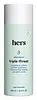 Key Ingredients
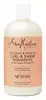
Benefits
Concerns
Ingredients Side-by-side
Water
Skin ConditioningCocamidopropyl Betaine
Cleansing



Lauric Acid
Cleansing


Decyl Glucoside
Cleansing
Sodium Chloride
MaskingDisodium Cocoamphodiacetate
CleansingParfum
Masking

Acrylates Copolymer
Glycerin
Humectant


Potassium Hydroxide
BufferingPolysorbate 20
Emulsifying
Guar Hydroxypropyltrimonium Chloride
Skin ConditioningGlycol Distearate
Emollient
Cocamidopropyl Dimethylamine
Emulsifying
Salicylic Acid
Masking







Glyceryl Oleate
Emollient
Coco-Glucoside
Cleansing
Polyquaternium-67
Cucurbita Pepo Seed Oil
Emollient
Camellia Sinensis Leaf Extract
Antimicrobial



Geraniol
Perfuming
Steareth-4
EmulsifyingChlorphenesin
Antimicrobial
Benzyl Salicylate
Perfuming
PEG-120 Methyl Glucose Dioleate
Emulsifying
Citronellol
Perfuming
Carya Ovata Bark Extract
Skin ConditioningCitric Acid
Buffering
Sodium Benzoate
Masking
Amyl Cinnamal
Perfuming
Biotin
AntiseborrhoeicSodium Acetate
BufferingSerenoa Serrulata Fruit Extract
Skin Conditioning
Isopropyl Alcohol
Solvent
Phenoxyethanol
Preservative
Tocopherol
Antioxidant

Benzoic Acid
Masking
Dehydroacetic Acid
Preservative
Hydrogenated Palm Glycerides Citrate
Emollient
Lecithin
Emollient
Ascorbyl Palmitate
Antioxidant
Water, Cocamidopropyl Betaine, Lauric Acid, Decyl Glucoside, Sodium Chloride, Disodium Cocoamphodiacetate, Parfum, Acrylates Copolymer, Glycerin, Potassium Hydroxide, Polysorbate 20, Guar Hydroxypropyltrimonium Chloride, Glycol Distearate, Cocamidopropyl Dimethylamine, Salicylic Acid, Glyceryl Oleate, Coco-Glucoside, Polyquaternium-67, Cucurbita Pepo Seed Oil, Camellia Sinensis Leaf Extract, Geraniol, Steareth-4, Chlorphenesin, Benzyl Salicylate, PEG-120 Methyl Glucose Dioleate, Citronellol, Carya Ovata Bark Extract, Citric Acid, Sodium Benzoate, Amyl Cinnamal, Biotin, Sodium Acetate, Serenoa Serrulata Fruit Extract, Isopropyl Alcohol, Phenoxyethanol, Tocopherol, Benzoic Acid, Dehydroacetic Acid, Hydrogenated Palm Glycerides Citrate, Lecithin, Ascorbyl Palmitate
Water
Skin ConditioningDecyl Glucoside
Cleansing
Sodium Lauroyl Lactylate
EmulsifyingGlycol Stearate
Emollient
Parfum
Masking
Butyrospermum Parkii Butter
Skin Conditioning
Panthenol
Skin Conditioning
Guar Hydroxypropyltrimonium Chloride
Skin ConditioningSodium Lauroyl Hydrolyzed Silk
Skin ConditioningCitric Acid
Buffering
Stearamide Amp
Foam BoostingMelia Azadirachta Seed Oil
Emollient
Brassica Campestris Seed Oil
Skin Conditioning
Sodium Phytate
ChelatingCocos Nucifera Oil
Masking
Rosmarinus Officinalis Leaf Oil
Masking
Tocopherol
Antioxidant
Hibiscus Rosa-Sinensis Flower Extract
HumectantAloe Barbadensis Leaf Juice
Skin Conditioning
Glycerin
Humectant
Glycine Soja Oil
Emollient
Sodium Benzoate
Masking
Caprylyl Glycol
Emollient
Triethyl Citrate
Masking
Benzoic Acid
Masking
Water, Decyl Glucoside, Sodium Lauroyl Lactylate, Glycol Stearate, Parfum, Butyrospermum Parkii Butter, Panthenol, Guar Hydroxypropyltrimonium Chloride, Sodium Lauroyl Hydrolyzed Silk, Citric Acid, Stearamide Amp, Melia Azadirachta Seed Oil, Brassica Campestris Seed Oil, Sodium Phytate, Cocos Nucifera Oil, Rosmarinus Officinalis Leaf Oil, Tocopherol, Hibiscus Rosa-Sinensis Flower Extract, Aloe Barbadensis Leaf Juice, Glycerin, Glycine Soja Oil, Sodium Benzoate, Caprylyl Glycol, Triethyl Citrate, Benzoic Acid
Ingredients Explained
These ingredients are found in both products.
Ingredients higher up in an ingredient list are typically present in a larger amount.
Benzoic Acid is an organic acid that shows up in cosmetics as a preservative. It helps keep a product from spoiling by holding back the growth of yeast, mold, and some bacteria.
This ingredient also functions as a fragrance ingredient that helps mask the unpleasant scent of other ingredients.
The way it works is worth understanding; benzoic acid works when the formula is acidic. It is able to sneak into a microbe's cell and mess up how it functions to stop it from growing in an acidic product.
However, the acid switches to an inactive form and stops working if a product isn't acidic enough (above ~5 pH). This is why you'll often see it in low pH products or teamed up with other preservatives to cover the gap.
Safety wise, it's one of the better studied preservatives out there.
The Cosmetic Ingredient Review Expert Panel has concluded this ingredient to be safe for use in cosmetic formulations at concentrations up to 5%.
A large international review found this ingredient had no effects on the human body and had low irritation potential.
Just so you know, real world use is usually much lower than the 5% ceiling (usually 1% of less).
The EU caps it at 2.5% in rinse-off products, 1.7% in oral care, and 0.5% in leave-on products.
One thing worth mentioning (it's nothing to worry about): some people get a little stinging or flushing where they apply it. This isn't a true allergy; it's a temporary and harmless reaction. This is the same kind of mild tingle you might notice from sorbic acid.
Learn more about Benzoic AcidCitric Acid is an alpha hydroxy acid (AHA) naturally found in citrus fruits like oranges, lemons, and limes.
Like other AHAs, citric acid can exfoliate skin by breaking down the bonds that hold dead skin cells together. This helps reveal smoother and brighter skin underneath.
However, this exfoliating effect only happens at high concentrations (20%) which can be hard to find in cosmetic products.
Due to this, citric acid is usually included in small amounts as a pH adjuster. This helps keep products slightly more acidic and compatible with skin's natural pH.
In skincare formulas, citric acid can:
While it can provide some skin benefits, research shows lactic acid and glycolic acid are generally more effective and less irritating exfoliants.
Most citric acid used in skincare today is made by fermenting sugars (usually from molasses). This synthetic version is identical to the natural citrus form but easier to stabilize and use in formulations.
Rosacea skin has a lower threshold for acids generally, with 62.5% of rosacea subjects in one study reacting to lactic acid in a sting test. This is why we mark citric acid as a potential rosacea trigger.
However, this ingredient shows up as a pH adjuster or chelator at roughly 0.1-1% in many products. These low levels are unlikely to be an issue for rosacea skin and becomes a potential trigger at exfoliating concentrations (20%). Because everybody's skin is unique, we recommend a patch test if you are unsure.
Learn more about Citric AcidDecyl Glucoside is a plant-derived surfactant and emulsion stabilizer. It is created by reacting glucose with the fatty acids from plants.
Like all surfactants, it works by lowering the surface tension between water and oil. This makes it so that dirt, sebum, and makeup can be lifted off your skin and rinsed away. It also produces a dense and creamy foam.
Because it has a neutral charge, it is compatible with a wide range of ingredients and stays stable across a broad pH range/water hardiness conditions.
Patch testing has shown it to have the lowest irritation potential among common cleansing surfactants (like SLS).
Typical use levels range from 5-20% in rinse-off cleansers.
One thing worth knowing: The American Contact Dermatitis Society named the parent family, alkyl glucosides, "Allergen of the Year" in 2017. The prevalence of allergy is pretty low but be sure to patch test if you've reacted to "gentle" or sulfate-free cleansers before.
This ingredient is fungal acne safe because the fatty alcohol portion of this ingredient is not within the C11-24 chain length that Malassezia can metabolize.
Learn more about Decyl GlucosideGlycerin (or glycerol) is a compound naturally found in your skin. It's a powerhouse humectant that pulls water into the stratum corneum.
Topically, glycerin does several things at once:
Your skin makes glycerin on its own (mostly from sebaceous oil breakdown) and shuttles it to your outermost layer of skin, or your epidermis, via aquaporin-3.
Aquaporin-3 is a transporter that is essential for normal skin hydration, elasticity, and repair. Interestingly, mice lacking in AQP3 have dry and less elastic skin that can be fully corrected with glycerin.
This ingredient is non-irritating, plays well with almost every ingredient, and works across all skin types. Typical use is anywhere between 3-10% but can go up to 79% in some leave-on products.
Just know very high concentrations (>40%) can feel tacky in low humidity.
Glycerin is the name for this ingredient in American English. British English uses Glycerol/Glycerine.
Learn more about GlycerinThis ingredient is derived from guar gum. It is a skin conditioning agent that creates a thin, breathable film to reduce water loss during cleansing.
This leaves the skin feeling soft rather than stripped and also contributes to a creamier lather.
Due to the large molecule size, this ingredient is unlikely to penetrate skin.
Learn more about Guar Hydroxypropyltrimonium ChlorideParfum is a catch-all term for an ingredient or more that is used to give a scent to products.
Also called "fragrance", this ingredient can be a blend of hundreds of chemicals or plant oils. This means every product with "fragrance" or "parfum" in the ingredients list is a different mixture.
For instance, Habanolide is a proprietary trade name for a specific aroma chemical. When used as a fragrance ingredient in cosmetics, most aroma chemicals fall under the broad labeling category of “FRAGRANCE” or “PARFUM” according to EU and US regulations.
The term 'parfum' or 'fragrance' is not regulated in many countries. In many cases, it is up to the brand to define this term.
For instance, many brands choose to label themselves as "fragrance-free" because they are not using synthetic fragrances. However, their products may still contain ingredients such as essential oils that are considered a fragrance by INCI standards.
One example is Calendula flower extract. Calendula is an essential oil that still imparts a scent or 'fragrance'.
Depending on the blend, the ingredients in the mixture can cause allergies and sensitivities on the skin. Some ingredients that are known EU allergens include linalool and citronellol.
Parfum can also be used to mask or cover an unpleasant scent.
The bottom line is: not all fragrances/parfum/ingredients are created equally. If you are worried about fragrances, we recommend taking a closer look at an ingredient. And of course, we always recommend speaking with a professional.
Learn more about ParfumSodium Benzoate is a preservative. It's used in both cosmetic and food products to inhibit the growth of mold and bacteria. It is typically produced synthetically.
Both the US FDA and EU Health Committee have approved the use of sodium benzoate. In the US, levels of 0.1% (of the total product) are allowed.
Sodium benzoate works as a preservative by inhibiting the growth of bacteria inside of cells. It prevents the cell from fermenting a type of sugar using an enzyme called phosphofructokinase.
It is the salt of benzoic acid. Foods containing sodium benzoate include soda, salad dressings, condiments, fruit juices, wines, and snack foods.
Studies for using ascorbic acid and sodium benzoate in cosmetics are lacking, especially in skincare routines with multiple steps.
We always recommend speaking with a professional, such as a dermatologist, if you have any concerns.
Learn more about Sodium BenzoateTocopherol is a fat-soluble antioxidant known as Vitamin E.
You'll find this ingredient in the vast majority of skincare (for good reason). It works to neutralize free radicals, or unstable molecules generated by UV exposure, pollution, and other environmental stressors, before they can cause oxidative damage to your skin cells.
Topically applied tocopherol has been shown to protect against UV damage by ramping up the skin's own natural defense enzymes.
It also acts as a skin conditioning agent; some studies show that regular topical use can improve the skin's water-binding capacity over 2-4 weeks.
This ingredient is especially loved for being a team player. When combined with Vitamin C, the photoprotective effect of both ingredients roughly doubles and the combo also helps reduce UV-induced DNA damage.
This ingredient has some brightening potential but it's more of a prevention ingredient than spot-fader. Cell studies show it can slow down melanin production but it's worth noting that it's not the most powerful brightener out there.
In formulations, it also serves as a stabilizer that helps protect other oxidation-prone ingredients from degrading.
Concentrations usually range from 0.1-1% in most leave-on products.
Learn more about TocopherolWater. It's the most common cosmetic ingredient of all. You'll usually see it at the top of ingredient lists, meaning that it makes up the largest part of the product.
So why is it so popular? Water most often acts as a solvent - this means that it helps dissolve other ingredients into the formulation.
You'll also recognize water as that liquid we all need to stay alive. If you see this, drink a glass of water. Remember to stay hydrated!
Learn more about Water

