Herbivore Blue Tansy Invisible Pores Resurfacing Clarity Mask Versus Peach & Lily Super Reboot Resurfacing Mask
This wash off mask is formulated around Salicylic Acid to clear breakouts and unclog pores.


What's inside
What's inside
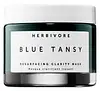 Key Ingredients
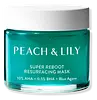
No key ingredients
Benefits
Concerns
Ingredients Side-by-side
Aloe Barbadensis Leaf Juice
Skin Conditioning


Hydroxyethyl Ethylcellulose
EmulsifyingGlycerin
Humectant

Glyceryl Caprylate
EmollientSalix Nigra Bark Extract
Skin ProtectingAloe Barbadensis Leaf Juice, Hydroxyethyl Ethylcellulose, Glycerin, Glyceryl Caprylate, Salix Nigra Bark Extract, Tanacetum Annuum Flower Oil, Jasminum Sambac Flower Water, Ananas Sativus Fruit Extract, Carica Papaya Fruit Extract, Carica Papaya Leaf Extract, Leuconostoc/Radish Root Ferment Filtrate
Water
Skin ConditioningGlycolic Acid
Buffering










Sodium Citrate
BufferingPropanediol
Solvent
Butylene Glycol
Humectant
Hydroxyethylcellulose
Emulsion StabilisingAgave Tequilana Leaf Extract
AstringentAllantoin
Skin Conditioning
Aloe Barbadensis Flower Extract
EmollientCamellia Sinensis Leaf Extract
Antimicrobial
Centella Asiatica Extract
Cleansing
Chamomilla Recutita Flower Extract
Masking
Chlorphenesin
Antimicrobial
Coccinia Indica Fruit Extract
Skin Conditioning
Corallina Officinalis Extract
Skin Conditioning

Curcuma Longa Root Extract
Antioxidant
1,2-Hexanediol
Skin Conditioning
Ethylhexylglycerin
Skin ConditioningGlyceryl Caprylate
EmollientGlycyrrhiza Glabra Root Extract
Bleaching
Hydrolyzed Hyaluronic Acid
Humectant
Melia Azadirachta Flower Extract
Skin ConditioningMelia Azadirachta Leaf Extract
Skin ConditioningOcimum Sanctum Leaf Extract
Skin ConditioningPanthenol
Skin Conditioning
Pantolactone
Humectant
Phenoxyethanol
Preservative
Polygonum Cuspidatum Root Extract
Antioxidant
Rosmarinus Officinalis Leaf Extract
AntimicrobialSalicylic Acid
Masking

Scutellaria Baicalensis Root Extract
Astringent
Sodium Acetylated Hyaluronate
Humectant
Sodium Hyaluronate
Humectant
Solanum Melongena Fruit Extract
Skin ConditioningTrisodium Ethylenediamine Disuccinate
ChelatingXanthan Gum
EmulsifyingPolyglyceryl-10 Caprylate/Caprate
EmulsifyingPolyglyceryl-10 Laurate
Skin Conditioning
Lavandula Angustifolia Oil
Masking


Pelargonium Graveolens Flower Oil
Masking
Water, Glycolic Acid, Sodium Citrate, Propanediol, Butylene Glycol, Hydroxyethylcellulose, Agave Tequilana Leaf Extract, Allantoin, Aloe Barbadensis Flower Extract, Camellia Sinensis Leaf Extract, Centella Asiatica Extract, Chamomilla Recutita Flower Extract, Chlorphenesin, Coccinia Indica Fruit Extract, Corallina Officinalis Extract, Curcuma Longa Root Extract, 1,2-Hexanediol, Ethylhexylglycerin, Glyceryl Caprylate, Glycyrrhiza Glabra Root Extract, Hydrolyzed Hyaluronic Acid, Melia Azadirachta Flower Extract, Melia Azadirachta Leaf Extract, Ocimum Sanctum Leaf Extract, Panthenol, Pantolactone, Phenoxyethanol, Polygonum Cuspidatum Root Extract, Rosmarinus Officinalis Leaf Extract, Salicylic Acid, Scutellaria Baicalensis Root Extract, Sodium Acetylated Hyaluronate, Sodium Hyaluronate, Solanum Melongena Fruit Extract, Trisodium Ethylenediamine Disuccinate, Xanthan Gum, Polyglyceryl-10 Caprylate/Caprate, Polyglyceryl-10 Laurate, Lavandula Angustifolia Oil, Pelargonium Graveolens Flower Oil
Reviews
Alternatives
Ingredients Explained
These ingredients are found in both products.
Ingredients higher up in an ingredient list are typically present in a larger amount.
Glyceryl Caprylate comes from glycerin and caprylic acid. It is an emollient, co-emulsifier, and preservative booster.
Its short C8 fatty acid chain makes it behave differently from its longer-chain emollient cousins like Glyceryl Stearate. It feels more lightweight, fast-absorbing, and silky instead of rich and waxy.
As a co-emulsifier, its "head" and "tail" sit at the oil-water interface. But overall, the short C8 tail and not being water soluble means it doesn't really have the muscle to emulsify a formula on its own. That's why you'll often see it paired with a primary emulsifier like Cetearyl Glucoside.
Interestingly, Glyceryl Caprylate acts as a preservative booster. This is because its fatty-acid backbone disrupts microbial lipid membranes. It shows excellent activity against bacteria and yeast but is weaker against mold.
Typical concentrations range from 0.5-1% and this ingredient is generally non-irritating.
Because this ingredient has a C8 fatty acid chain, it is outside the range that the Malassezia yeast metabolizes (making it fungal acne safe).
Learn more about Glyceryl Caprylate

