
What's inside
What's inside
 Key Ingredients
Benefits
Concerns
Ingredients Side-by-side
Water
Skin ConditioningGlycerin
Humectant


Isopropyl Palmitate
Emollient




Cetyl Alcohol
Emollient

Selaginella Lepidophylla Extract
EmollientDimethicone
Emollient
Sorbitan Stearate
Emulsifying
Caprylic/Capric Triglyceride
Masking
Niacinamide
Smoothing









Tripeptide-29
Skin Conditioning
Palmitoyl Hexapeptide-12
Skin Conditioning
Sodium Hyaluronate
Humectant
Vitis Vinifera Seed Oil
Emollient
Squalene
Emollient
Jojoba Oil/Macadamia Seed Oil Esters
Skin Conditioning
Citrullus Lanatus Fruit Extract
Skin Conditioning
Ceramide Ng
Skin Conditioning
Pyrus Malus Fruit Extract
Skin Conditioning
Lens Esculenta Fruit Extract
Skin ConditioningBisabolol
Antioxidant
Zingiber Officinale Root Extract
Masking
3-O-Ethyl Ascorbic Acid
Skin Conditioning
Tocopherol
Antioxidant
Phytosteryl Macadamiate
Skin Conditioning
Phytosterols
Skin Conditioning
PEG-10 Phytosterol
EmulsifyingSodium Lactate
Buffering
Sodium PCA
Humectant
Tribehenin
Emollient
C12-15 Alkyl Benzoate
AntimicrobialHydroxyacetophenone
Antioxidant
Caprylyl Glycol
Emollient
Polyacrylate Crosspolymer-6
Emulsion Stabilising1,2-Hexanediol
Skin Conditioning
Disodium EDTA
ChelatingParfum
Masking


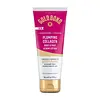
Water, Glycerin, Isopropyl Palmitate, Cetyl Alcohol, Selaginella Lepidophylla Extract, Dimethicone, Sorbitan Stearate, Caprylic/Capric Triglyceride, Niacinamide, Tripeptide-29, Palmitoyl Hexapeptide-12, Sodium Hyaluronate, Vitis Vinifera Seed Oil, Squalene, Jojoba Oil/Macadamia Seed Oil Esters, Citrullus Lanatus Fruit Extract, Ceramide Ng, Pyrus Malus Fruit Extract, Lens Esculenta Fruit Extract, Bisabolol, Zingiber Officinale Root Extract, 3-O-Ethyl Ascorbic Acid, Tocopherol, Phytosteryl Macadamiate, Phytosterols, PEG-10 Phytosterol, Sodium Lactate, Sodium PCA, Tribehenin, C12-15 Alkyl Benzoate, Hydroxyacetophenone, Caprylyl Glycol, Polyacrylate Crosspolymer-6, 1,2-Hexanediol, Disodium EDTA, Parfum
Magnesium Aluminum Silicate
Absorbent
Chondrus Crispus Extract
Skin Conditioning
Water
Skin ConditioningPropylene Glycol
Humectant
Sodium Silicate
BufferingEuterpe Oleracea Fruit Extract
Perilla Frutescens Extract
Skin ConditioningQuercus Alba Bark Extract
AstringentSodium Hyaluronate
Humectant
Glycerin
Humectant
Lactobacillus Ferment
Skin Conditioning
Butylene Glycol
Humectant
Acetyl Hexapeptide-8
Humectant
Pentapeptide-18
Skin Conditioning
Dipeptide Diaminobutyroyl Benzylamide Diacetate
Skin Conditioning
Acetyl Octapeptide-3
Humectant
Palmitoyl Tripeptide-1
Skin Conditioning
Palmitoyl Tetrapeptide-7
Skin Conditioning
Cellulose Gum
Emulsion StabilisingCarbomer
Emulsion StabilisingCaprylyl Glycol
Emollient
Polysorbate 20
Emulsifying
Potassium Sorbate
Preservative
Citric Acid
Buffering
Chlorphenesin
Antimicrobial
Sodium Dehydroacetate
Preservative
Sodium Lactate
Buffering
Phenoxyethanol
Preservative
Ethylhexylglycerin
Skin ConditioningMagnesium Aluminum Silicate, Chondrus Crispus Extract, Water, Propylene Glycol, Sodium Silicate, Euterpe Oleracea Fruit Extract, Perilla Frutescens Extract, Quercus Alba Bark Extract, Sodium Hyaluronate, Glycerin, Lactobacillus Ferment, Butylene Glycol, Acetyl Hexapeptide-8, Pentapeptide-18, Dipeptide Diaminobutyroyl Benzylamide Diacetate, Acetyl Octapeptide-3, Palmitoyl Tripeptide-1, Palmitoyl Tetrapeptide-7, Cellulose Gum, Carbomer, Caprylyl Glycol, Polysorbate 20, Potassium Sorbate, Citric Acid, Chlorphenesin, Sodium Dehydroacetate, Sodium Lactate, Phenoxyethanol, Ethylhexylglycerin
Alternatives
Ingredients Explained
These ingredients are found in both products.
Ingredients higher up in an ingredient list are typically present in a larger amount.
Caprylyl Glycol is a humectant, skin conditioner, emollient, and preservative booster derived from either caprylic acid or synthetically created.
Typical use levels vary from 0.3-1% as a preservative booster and go up to 2% to condition skin.
Because it is not a free-fatty acid, this ingredient is fungal acne safe (there's nothing for Malassezia to feed on).
Learn more about Caprylyl GlycolGlycerin (or glycerol) is a compound naturally found in your skin. It's a powerhouse humectant that pulls water into the stratum corneum.
Topically, glycerin does several things at once:
Your skin makes glycerin on its own (mostly from sebaceous oil breakdown) and shuttles it to your outermost layer of skin, or your epidermis, via aquaporin-3.
Aquaporin-3 is a transporter that is essential for normal skin hydration, elasticity, and repair. Interestingly, mice lacking in AQP3 have dry and less elastic skin that can be fully corrected with glycerin.
This ingredient is non-irritating, plays well with almost every ingredient, and works across all skin types. Typical use is anywhere between 3-10% but can go up to 79% in some leave-on products.
Just know very high concentrations (>40%) can feel tacky in low humidity.
Glycerin is the name for this ingredient in American English. British English uses Glycerol/Glycerine.
Learn more about GlycerinSodium Hyaluronate is the salt form of hyaluronic acid. It is a long sugar chain that is naturally found in your skin, joints, and connective tissue that maintains hydration and elasticity.
In skincare, it works as a humectant. It pulls water from the environment and deeper layers of skin and binds it to the surface.
Interestingly, the size of the molecule affects its behavior:
Some clinical evidence links low molecular weight versions to improved wrinkle depth, elasticity, anti-inflammatory effects, and barrier repair.
Many serums use a blend of both weights so you can get surface hydration plus longer-lasting and deeper effects.
You'll typically see concentrations between 0.1-2% for this ingredient.
Learn more about Sodium HyaluronateSodium Lactate is the sodium salt of lactic acid, an AHA. It is a humectant and sometimes used to adjust the pH of a product.
This ingredient is part of our skin's NMF, or natural moisturizing factor. Our NMF is essential for the hydration of our top skin layers and plasticity of skin. NMF also influences our skin's natural acid mantle and pH, which protects our skin from harmful bacteria.
High percentages of Sodium Lactate can have an exfoliating effect.
Fun fact: Sodium Lactate is produced from fermented sugar.
Learn more about Sodium LactateWater. It's the most common cosmetic ingredient of all. You'll usually see it at the top of ingredient lists, meaning that it makes up the largest part of the product.
So why is it so popular? Water most often acts as a solvent - this means that it helps dissolve other ingredients into the formulation.
You'll also recognize water as that liquid we all need to stay alive. If you see this, drink a glass of water. Remember to stay hydrated!
Learn more about Water

