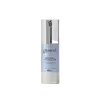
This calming serum is formulated around Aloe Barbadensis Leaf Juice and Panthenol to calm redness and strengthen the skin barrier.
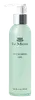
This calming moisturizer is formulated around Hyaluronic Acid and Camellia Sinensis Extract to calm redness and hydrate skin.

What's inside
What's inside
 Key Ingredients
Benefits
Concerns
Ingredients Side-by-side
Water
Skin ConditioningAloe Barbadensis Leaf Juice
Skin Conditioning


Glycerin
Humectant

Fulvic Acid
Skin ConditioningPolysorbate 20
Emulsifying

Pentylene Glycol
Skin Conditioning
Propanediol
Solvent
Hypnea Musciformis Extract
Skin Protecting

Sargassum Filipendula Extract
Skin Protecting
Phenoxyethanol
Preservative
Sorbitol
Humectant
Allantoin
Skin Conditioning
Hydroxyethylcellulose
Emulsion StabilisingPanthenol
Skin Conditioning
Sodium Hydroxide
BufferingCaprylyl Glycol
Emollient
Citrus Paradisi Peel Oil
Masking




Lactose
HumectantGelidiella Acerosa Extract
Skin Protecting
Xanthan Gum
EmulsifyingPhospholipids
Skin Conditioning
Ethylhexylglycerin
Skin ConditioningCitrus Aurantium Bergamia Fruit Oil
Masking
Citrus Aurantium Dulcis Peel Oil
Masking
Hexylene Glycol
EmulsifyingGlycine Soja Oil
Emollient

Milk Protein
Skin ConditioningPolyglutamic Acid
Skin Conditioning
Epilobium Angustifolium Extract
Skin ConditioningAgastache Mexicana Flower/Leaf/Stem Extract
Skin ConditioningTocopherol
Antioxidant



Glycolipids
Skin ConditioningCitric Acid
Buffering
Potassium Sorbate
Preservative
Sodium Hyaluronate
Humectant
Glycine Soja Sterols
Emollient
Sodium Benzoate
Masking
Symphytum Officinale Rhizome/Root Extract
Skin ConditioningAnthemis Nobilis Flower Extract
Masking
Calendula Officinalis Flower Extract
Masking
Lavandula Angustifolia Flower Extract
Cleansing
Sodium Metabisulfite
Antioxidant
Coumarin
Perfuming
Limonene
Perfuming
Linalool
Perfuming
Citral
Perfuming
Eugenol
Perfuming
Water, Aloe Barbadensis Leaf Juice, Glycerin, Fulvic Acid, Polysorbate 20, Pentylene Glycol, Propanediol, Hypnea Musciformis Extract, Sargassum Filipendula Extract, Phenoxyethanol, Sorbitol, Allantoin, Hydroxyethylcellulose, Panthenol, Sodium Hydroxide, Caprylyl Glycol, Citrus Paradisi Peel Oil, Lactose, Gelidiella Acerosa Extract, Xanthan Gum, Phospholipids, Ethylhexylglycerin, Citrus Aurantium Bergamia Fruit Oil, Citrus Aurantium Dulcis Peel Oil, Hexylene Glycol, Glycine Soja Oil, Milk Protein, Polyglutamic Acid, Epilobium Angustifolium Extract, Agastache Mexicana Flower/Leaf/Stem Extract, Tocopherol, Glycolipids, Citric Acid, Potassium Sorbate, Sodium Hyaluronate, Glycine Soja Sterols, Sodium Benzoate, Symphytum Officinale Rhizome/Root Extract, Anthemis Nobilis Flower Extract, Calendula Officinalis Flower Extract, Lavandula Angustifolia Flower Extract, Sodium Metabisulfite, Coumarin, Limonene, Linalool, Citral, Eugenol
Pyrus Malus Fruit Water
MaskingCitrus Aurantium Amara Flower Water
MaskingHyaluronic Acid
Humectant
Camellia Sinensis Extract
Antioxidant
Avena Sativa Leaf Extract
AstringentAllantoin
Skin Conditioning
Propanediol
Solvent
Chamomilla Recutita Flower Extract
Masking
Vitis Vinifera Seed Extract
Antimicrobial
Hydrastis Canadensis Root Extract
MaskingArgania Spinosa Leaf Extract
Skin ConditioningCucumis Sativus Extract
Skin Conditioning
Aloe Barbadensis Leaf Extract
Emollient
Symphytum Officinale Leaf Extract
Skin ConditioningChondrus Crispus Extract
Skin Conditioning
Daucus Carota Sativa Seed Extract
Emollient
Salvia Officinalis Leaf Extract
CleansingPanax Ginseng Root Extract
Emollient
Vaccinium Myrtillus Fruit/Leaf Extract
AstringentCellulose Gum
Emulsion StabilisingCitrus Aurantium Dulcis Oil
Masking
Chondrus Crispus Powder
Abrasive
Ceratonia Siliqua Gum
EmollientGlucose
Humectant
Hydrolyzed Gardenia Florida Extract
Antioxidant
Gardenia Jasminoides Fruit Extract
Cosmetic ColorantPentylene Glycol
Skin Conditioning
Maltodextrin
Absorbent
Caprylyl Glycol
Emollient
Ethylhexylglycerin
Skin ConditioningPyrus Malus Fruit Water, Citrus Aurantium Amara Flower Water, Hyaluronic Acid, Camellia Sinensis Extract, Avena Sativa Leaf Extract, Allantoin, Propanediol, Chamomilla Recutita Flower Extract, Vitis Vinifera Seed Extract, Hydrastis Canadensis Root Extract, Argania Spinosa Leaf Extract, Cucumis Sativus Extract, Aloe Barbadensis Leaf Extract, Symphytum Officinale Leaf Extract, Chondrus Crispus Extract, Daucus Carota Sativa Seed Extract, Salvia Officinalis Leaf Extract, Panax Ginseng Root Extract, Vaccinium Myrtillus Fruit/Leaf Extract, Cellulose Gum, Citrus Aurantium Dulcis Oil, Chondrus Crispus Powder, Ceratonia Siliqua Gum, Glucose, Hydrolyzed Gardenia Florida Extract, Gardenia Jasminoides Fruit Extract, Pentylene Glycol, Maltodextrin, Caprylyl Glycol, Ethylhexylglycerin
Reviews
Alternatives
Ingredients Explained
These ingredients are found in both products.
Ingredients higher up in an ingredient list are typically present in a larger amount.
Allantoin is a soothing ingredient known for its protective and moisturizing properties; it's basically a quiet workhorse ingredient you can find in a huge range of cosmetics.
Though it can be derived from the comfrey plant, allantoin is produced synthetically for cosmetic products to ensure purity.
Research shows it can encourage your skin cells to turn over and renew by stimulating keratinocyte and fibroblast proliferation.
It also has mild keratolytic properties to help loosen and shed dead skin cells without being harsh.
Studies also suggest allantoin can help calm inflammation by dialing down some of the chemical signals your skin sends out when it is irritated.
This ingredient is typically used in the 0.1-0.5% range, and the FDA recognizes it as a skin protectant in OTC products up to 2%.
Overall, allantoin is a wonderful addition to most routines; it is stable across a wide pH range (~4-8), works well with other ingredients, and is considered non-sensitizing/non-irritating.
Fun fact: Allantoin is naturally occurring in comfrey root, beets, chamomile, and wheat sprouts. Our bodies even produce it as a byproduct of uric acid metabolism.
Learn more about AllantoinCaprylyl Glycol is a humectant, skin conditioner, emollient, and preservative booster derived from either caprylic acid or synthetically created.
Typical use levels vary from 0.3-1% as a preservative booster and go up to 2% to condition skin.
Because it is not a free-fatty acid, this ingredient is fungal acne safe (there's nothing for Malassezia to feed on).
Learn more about Caprylyl GlycolEthylhexylglycerin is created from glycerin. It is a multitasker ingredient that:
The CIR Expert Panel found minimal skin absorption or sensitization of any kind in a safety assessment. Though this ingredient is considered well-tolerated, a small number of cases of allergic dermatitis have been published since 2002. Just be sure to patch test if you are unsure.
Industry-reported use ranges from 8% in rinse-off products and 2% in leave-on formulations.
Learn more about EthylhexylglycerinPentylene Glycol (1,2-pentanediol) is a multitasking little diol with three main roles in a formula:
Research on alkanediols (the family pentylene glycol belongs to) show they work by disrupting microbial cell membranes. This disruption helps the primary preservative system in a product work more effectively at lower doses.
On the safety side, the Cosmetic Ingredient Review Expert Panel has concluded this ingredient to be safe as used in current cosmetic practices + concentrations.
Typical use levels in a formula run about 1-5%.
Learn more about Pentylene GlycolPropanediol is an all-star ingredient. It softens, hydrates, and smooths the skin.
It’s often used to:
Propanediol is not likely to cause sensitivity and considered safe to use. It is derived from corn or petroleum with a clear color and no scent.
Learn more about Propanediol

