Glow Recipe Watermelon Glow Niacinamide Dew Drops Versus Tula Skincare Brighten Up Smoothing Primer Gel
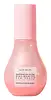
This brightening serum is formulated around Niacinamide and Citrullus Lanatus Fruit Extract to brighten dull-looking skin.
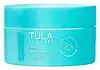
This mild gel makeup remover is made to dissolve makeup, sunscreen, and daily buildup.

What's inside
What's inside
 Key Ingredients
Benefits
Concerns
Ingredients Side-by-side
Water
Skin ConditioningPropanediol
Solvent

Glycereth-26
Humectant
Glycerin
Humectant
Niacinamide
Smoothing









2,3-Butanediol
Humectant1,2-Hexanediol
Skin Conditioning
Cetyl Ethylhexanoate
EmollientCitrullus Lanatus Fruit Extract
Skin Conditioning
Sodium Hyaluronate
Humectant
Eclipta Prostrata Extract
Skin Conditioning
Melia Azadirachta Leaf Extract
Skin ConditioningPolyglyceryl-3 Methylglucose Distearate
Emulsifying

Tromethamine
BufferingGlyceryl Stearate
Emollient
Carbomer
Emulsion StabilisingAcrylates/C10-30 Alkyl Acrylate Crosspolymer
Emulsion StabilisingEthylhexylglycerin
Skin ConditioningXanthan Gum
EmulsifyingPolyquaternium-51
Skin Conditioning
Moringa Oleifera Seed Oil
Emollient


Parfum
Masking


Benzyl Benzoate
Antimicrobial
Water, Propanediol, Glycereth-26, Glycerin, Niacinamide, 2,3-Butanediol, 1,2-Hexanediol, Cetyl Ethylhexanoate, Citrullus Lanatus Fruit Extract, Sodium Hyaluronate, Eclipta Prostrata Extract, Melia Azadirachta Leaf Extract, Polyglyceryl-3 Methylglucose Distearate, Tromethamine, Glyceryl Stearate, Carbomer, Acrylates/C10-30 Alkyl Acrylate Crosspolymer, Ethylhexylglycerin, Xanthan Gum, Polyquaternium-51, Moringa Oleifera Seed Oil, Parfum, Benzyl Benzoate
Water
Skin ConditioningSodium Acrylates Crosspolymer-2
AbsorbentButylene Glycol
Humectant
Dipropylene Glycol
HumectantGlycerin
Humectant
1,2-Hexanediol
Skin Conditioning
PEG-40 Hydrogenated Castor Oil
Emulsifying
Caprylyl Glycol
Emollient
Carbomer
Emulsion StabilisingTromethamine
BufferingEthylhexylglycerin
Skin ConditioningCitrus Junos Seed Oil
Emollient
Melia Azadirachta Leaf Extract
Skin ConditioningCitrus Limon Peel Oil
Masking

Citrus Junos Peel Oil
Astringent
Melia Azadirachta Flower Extract
Skin ConditioningCurcuma Longa Root Extract
Antioxidant
Brassica Rapa Root Extract
Skin ConditioningOcimum Sanctum Leaf Extract
Skin ConditioningSilica
Abrasive
Lactococcus Ferment Lysate
Skin Conditioning
Citrus Aurantium Dulcis Peel Oil
Masking
Citrus Aurantium Bergamia Fruit Oil
Masking
Epilobium Angustifolium Flower/Leaf/Stem Extract
Skin ConditioningLactic Acid
Buffering
Corallina Officinalis Extract
Skin Conditioning
Sodium Chloride
MaskingLepidium Meyenii Root Extract
Skin ConditioningCitrus Junos Seed Extract
Antioxidant
Sodium Benzoate
Masking
Caprylic/Capric Triglyceride
Masking
Vaccinium Macrocarpon Fruit Extract
AstringentPhenoxyethanol
Preservative
Methicone
Emollient
Tocopherol
Antioxidant
Sodium Metabisulfite
Antioxidant
Limonene
Perfuming
Linalool
Perfuming
Citral
Perfuming
Water, Sodium Acrylates Crosspolymer-2, Butylene Glycol, Dipropylene Glycol, Glycerin, 1,2-Hexanediol, PEG-40 Hydrogenated Castor Oil, Caprylyl Glycol, Carbomer, Tromethamine, Ethylhexylglycerin, Citrus Junos Seed Oil, Melia Azadirachta Leaf Extract, Citrus Limon Peel Oil, Citrus Junos Peel Oil, Melia Azadirachta Flower Extract, Curcuma Longa Root Extract, Brassica Rapa Root Extract, Ocimum Sanctum Leaf Extract, Silica, Lactococcus Ferment Lysate, Citrus Aurantium Dulcis Peel Oil, Citrus Aurantium Bergamia Fruit Oil, Epilobium Angustifolium Flower/Leaf/Stem Extract, Lactic Acid, Corallina Officinalis Extract, Sodium Chloride, Lepidium Meyenii Root Extract, Citrus Junos Seed Extract, Sodium Benzoate, Caprylic/Capric Triglyceride, Vaccinium Macrocarpon Fruit Extract, Phenoxyethanol, Methicone, Tocopherol, Sodium Metabisulfite, Limonene, Linalool, Citral
Reviews
Ingredients Explained
These ingredients are found in both products.
Ingredients higher up in an ingredient list are typically present in a larger amount.
1,2-Hexanediol is a synthetic liquid and another multi-functional powerhouse.
It is a:
- Humectant, drawing moisture into the skin
- Emollient, helping to soften skin
- Solvent, dispersing and stabilizing formulas
- Preservative booster, enhancing the antimicrobial activity of other preservatives
Carbomer is a synthetic thickening and gelling agent. It's basically the ingredient that gives a lot of serums, gels, creams, and sunscreens their smooth, non-sticky texture.
Although legally permitted at very high levels, carbomers are normally used at concentrations below 1%.
It also needs to be neutralized to actually thicken, and because it is a large molecule, it doesn't really penetrate the skin barrier.
Allergy-wise, the risk is very low. Clinical studies show carbomers have low potential for skin irritation/sensitization even at concentrations up to 100%.
A 2024 UK study patch-tested 1,302 patients and found true allergy to the parent group of carbomer to be rare with no confirmed relevant reactions.
Learn more about CarbomerEthylhexylglycerin is created from glycerin. It is a multitasker ingredient that:
The CIR Expert Panel found minimal skin absorption or sensitization of any kind in a safety assessment. Though this ingredient is considered well-tolerated, a small number of cases of allergic dermatitis have been published since 2002. Just be sure to patch test if you are unsure.
Industry-reported use ranges from 8% in rinse-off products and 2% in leave-on formulations.
Learn more about EthylhexylglycerinGlycerin (or glycerol) is a compound naturally found in your skin. It's a powerhouse humectant that pulls water into the stratum corneum.
Topically, glycerin does several things at once:
Your skin makes glycerin on its own (mostly from sebaceous oil breakdown) and shuttles it to your outermost layer of skin, or your epidermis, via aquaporin-3.
Aquaporin-3 is a transporter that is essential for normal skin hydration, elasticity, and repair. Interestingly, mice lacking in AQP3 have dry and less elastic skin that can be fully corrected with glycerin.
This ingredient is non-irritating, plays well with almost every ingredient, and works across all skin types. Typical use is anywhere between 3-10% but can go up to 79% in some leave-on products.
Just know very high concentrations (>40%) can feel tacky in low humidity.
Glycerin is the name for this ingredient in American English. British English uses Glycerol/Glycerine.
Learn more about GlycerinThis ingredient is also known as neem leaf extract. It contains natural compounds like nimbidin, quercetin, and other polyphenols that give it antibacterial, antifungal, and anti-inflammatory activity.
Lab studies have shown neem leaf extract can inhibit acne-related bacteria and help calm skin. Animal studies on wound gels using 1-3% neem leaf extract found it sped up healing without causing irritation.
A wound-healing study testing gels with the extract at 1%, 2%, and 3% concentrations and found none of them irritated the skin.
Most commercial products also use it in a similar low range (typically under 5%).
Allergy-wise, there are some case reports on neem oil causing allergic contact dermatitis so people with plant/botanical sensitivities may want to patch test first.
Learn more about Melia Azadirachta Leaf ExtractTromethamine (aka THAM) is a synthetic amino acid that shows up in skincare as a helper ingredient.
It functions as a pH adjuster to help neutralize acidic ingredients and set a formula's pH to the right spot.
This matters a lot because a lot of actives (like vitamin C) needs a specific pH to work well and feel comfortable on skin.
Concentration use ranges from 0.1-1.0% depending on the formula.
Learn more about TromethamineWater. It's the most common cosmetic ingredient of all. You'll usually see it at the top of ingredient lists, meaning that it makes up the largest part of the product.
So why is it so popular? Water most often acts as a solvent - this means that it helps dissolve other ingredients into the formulation.
You'll also recognize water as that liquid we all need to stay alive. If you see this, drink a glass of water. Remember to stay hydrated!
Learn more about Water

